



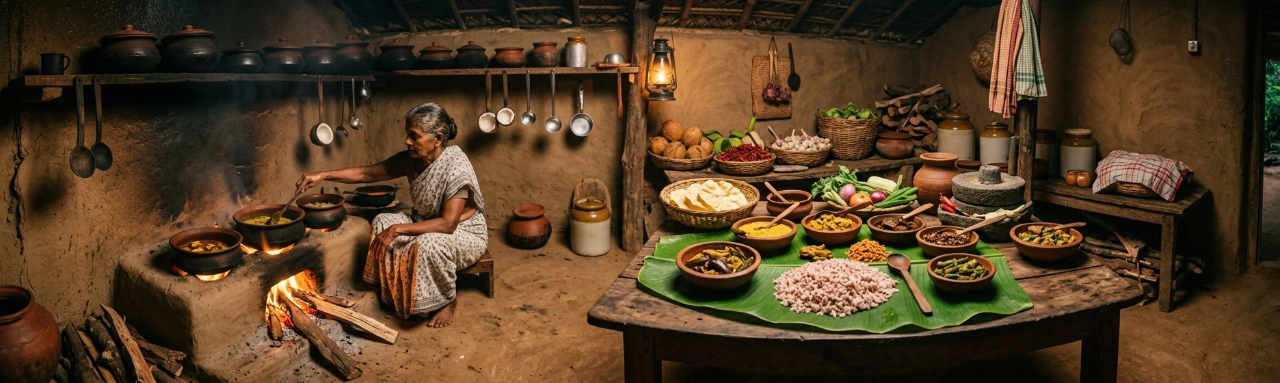
Sri Lanka, the teardrop island in the Indian Ocean, is renowned for its vibrant culture, breathtaking landscapes, and, most importantly, its exquisite cuisine. At the heart of Sri Lankan culinary tradition lies the iconic rice and curry, a dish that transcends mere sustenance to become an experience. While modern kitchens and convenience have brought many changes, there's an undeniable charm and unparalleled flavor in preparing rice and curry the old village way. This method, steeped in generations of wisdom, offers a glimpse into authentic Sri Lankan food, where fresh ingredients, slow cooking, and community spirit converge.
The Essence of Village Cooking
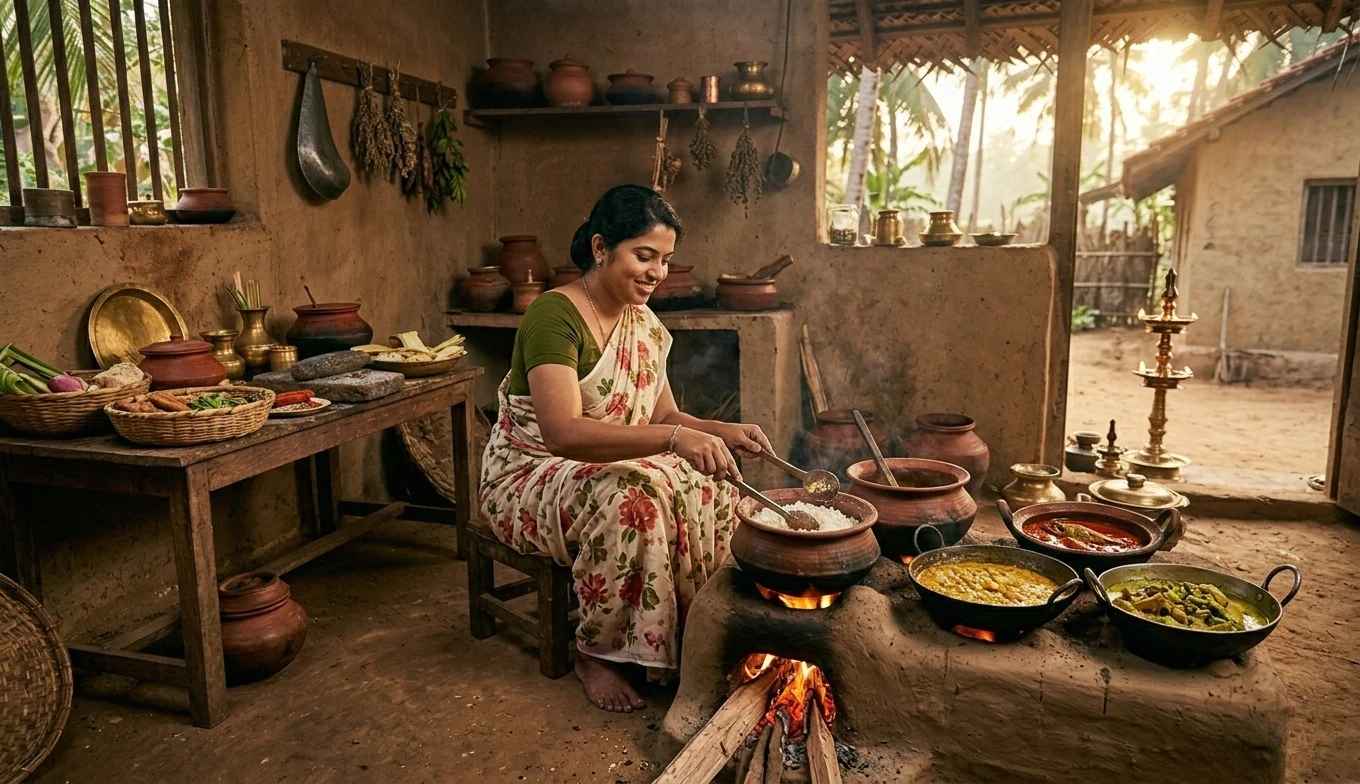
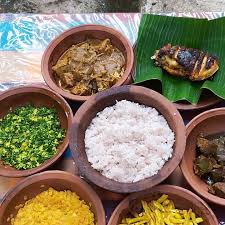
The traditional approach to cooking in Sri Lankan villages is characterized by its simplicity, reliance on locally sourced produce, and a deep understanding of flavor profiles. Unlike the rapid pace of urban life, village cooking often involves a more deliberate and communal process. Rice, the staple food, is typically handpicked, washed, and cooked over open fires or in traditional clay pots, imparting a subtle smokiness and a perfectly fluffy texture. The curries, which accompany the rice, are where the true magic unfolds. They are not just a collection of ingredients but a harmonious blend of spices, coconut milk, and fresh vegetables or meats, each prepared with meticulous care.
The Art of the Rice
The foundation of any Sri Lankan meal is rice. In the villages, varieties like red raw rice or samba are often favored for their nutritional value and distinct flavor. The cooking process is an art form. Rice is usually washed multiple times to remove excess starch, then cooked with just the right amount of water, often over a low flame. Sometimes, a pinch of salt and a sliver of pandan leaf are added to infuse a delicate aroma. The result is a mound of fragrant, perfectly cooked rice, ready to absorb the rich flavors of the accompanying curries.
Crafting Authentic Curries
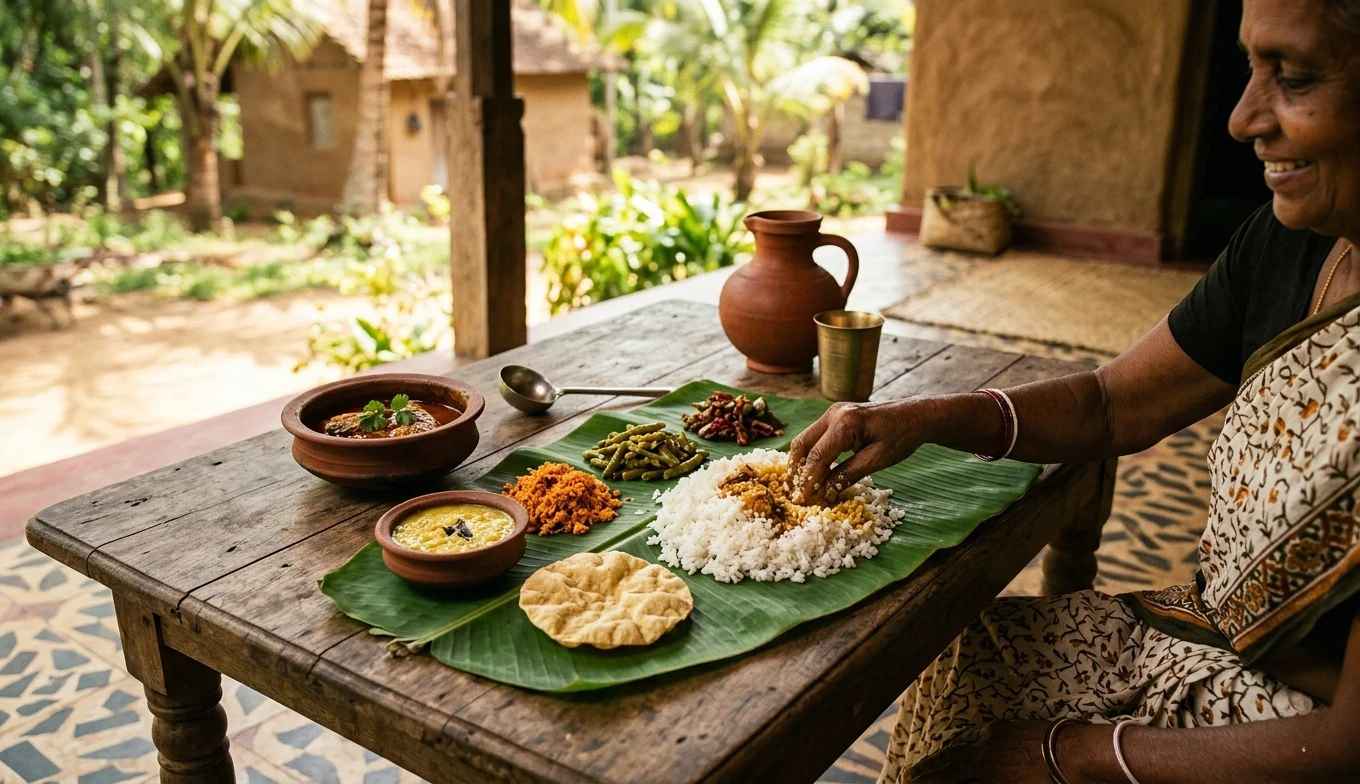
The soul of Sri Lankan rice and curry lies in its diverse array of curries. A typical village meal might feature a main protein curry, such as chicken, fish, or dhal (lentils), alongside several vegetable curries. The preparation of these curries is where tradition truly shines. Spices are often freshly ground using a mortar and pestle, releasing their full aromatic potential. Coconut milk, extracted from freshly grated coconuts, forms the creamy base for many curries, lending a rich and comforting texture. Common vegetables used include jackfruit, beetroot, pumpkin, and various leafy greens, each prepared to highlight its natural sweetness or earthy notes.
A quintessential Sri Lankan curry involves slow simmering, allowing the flavors to meld and deepen. This patient approach is what distinguishes village cooking. Techniques like tempering spices in hot oil at the beginning of the cooking process, adding aromatics like onions, garlic, and ginger, and then gradually incorporating the main ingredients and coconut milk, are all part of this time honored ritual. The use of earthenware pots further enhances the cooking process, distributing heat evenly and preserving moisture, resulting in exceptionally tender and flavorful dishes.
Key Components of a Traditional Rice and Curry Meal
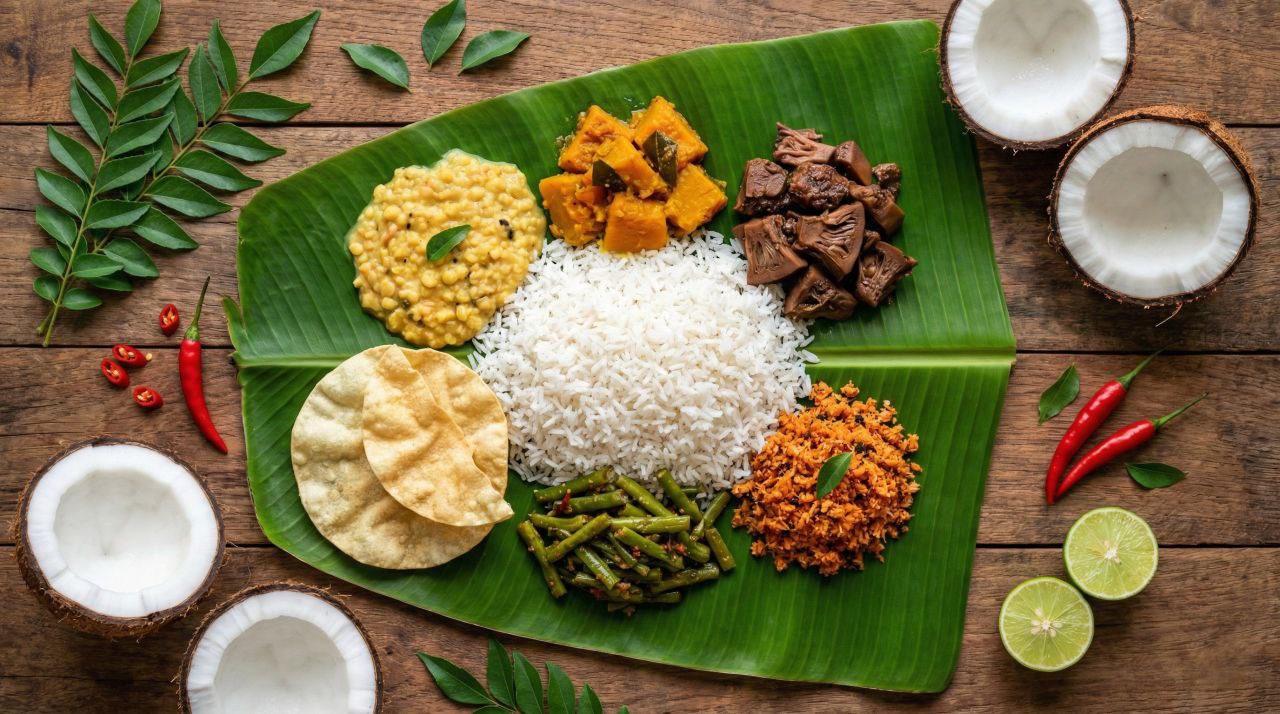
- The Rice: Fluffy, fragrant rice, often red raw or samba.
- The Dhal Curry: A creamy, spiced lentil curry, a vegetarian staple.
- The Main Protein Curry: Chicken, fish, or meat curry, rich with spices and coconut milk.
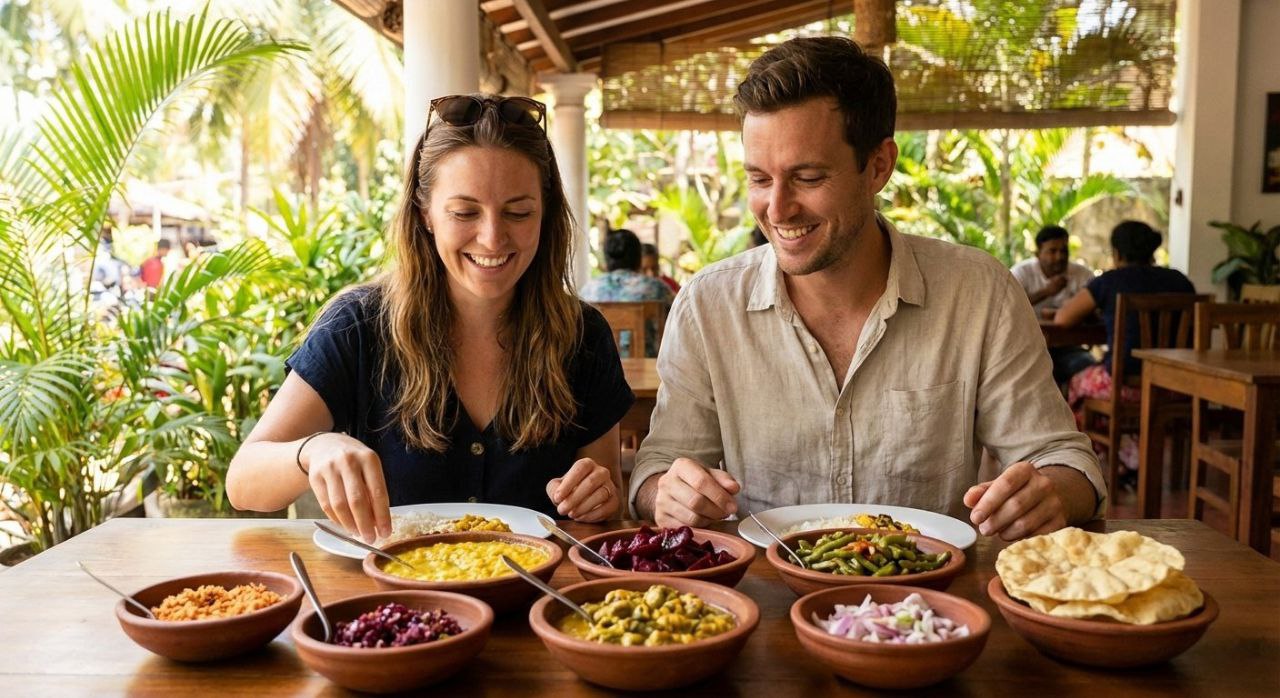
- Vegetable Curries: A variety of vegetable dishes, showcasing seasonal produce. Examples include beetroot curry, jackfruit curry, and stir fried greens (mallung).
- Sambols: Spicy accompaniments like coconut sambol (pol sambol) or seeni sambol (caramelized onions) add a zesty kick.
- Papadums: Crispy lentil wafers that provide a satisfying crunch.
A Communal and Cultural Experience
Preparing and sharing rice and curry in Sri Lankan villages is more than just a culinary activity; it is a social and cultural event. Meals are often prepared for the entire family or even shared with neighbors. The process of grinding spices, grating coconut, and tending to the cooking fires can be a collaborative effort, fostering a sense of community and togetherness. This shared experience imbues the food with an extra layer of warmth and authenticity that is difficult to replicate.
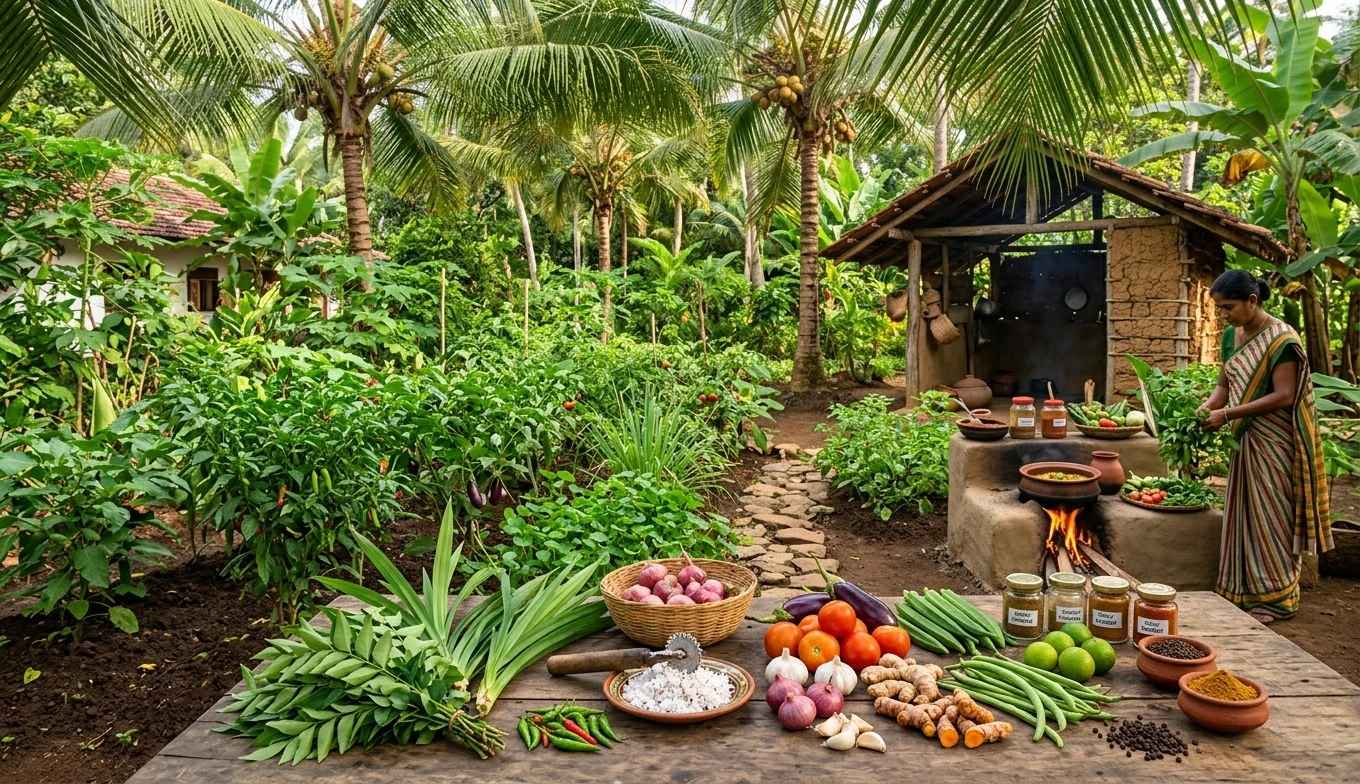
The old village way of cooking rice and curry in Sri Lanka offers a profound connection to the island's rich heritage and its vibrant agricultural roots. It's a testament to the power of simple, fresh ingredients, patient preparation, and the enduring spirit of community. While modern life may present quicker alternatives, the slow, deliberate, and heartfelt method of village cooking continues to produce a culinary experience that is deeply satisfying, incredibly flavorful, and truly authentic. For anyone seeking a genuine taste of Sri Lanka, delving into the methods of traditional village cooking is an essential and rewarding journey.
Most Popular








Anaya
comment1