



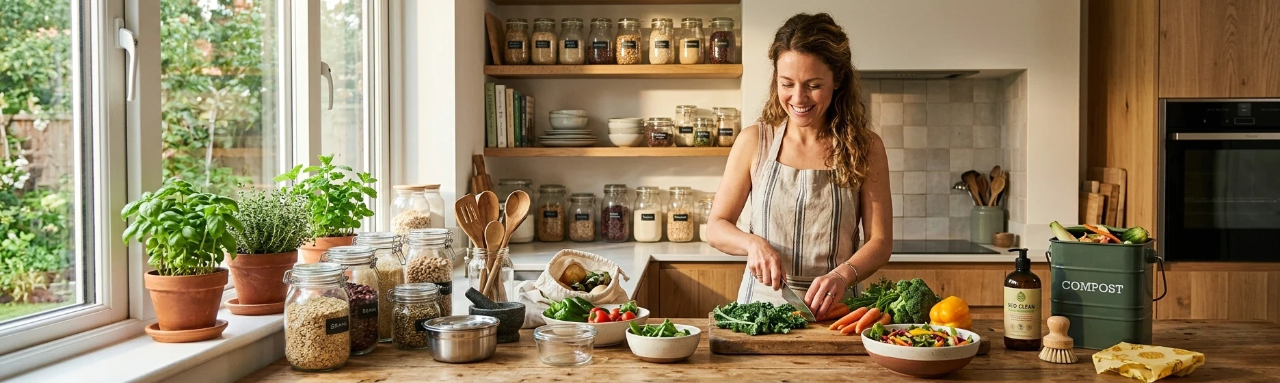
In today's fast paced world, the concept of a zero waste kitchen might seem ambitious, even daunting. However, embracing a zero waste challenge while cooking is not just an environmental imperative; it's a pathway to greater culinary creativity, enhanced kitchen efficiency, and a profound sense of satisfaction and happiness. This shift in perspective transforms everyday cooking into an opportunity to minimize our footprint and maximize our resources.
Understanding the Zero Waste Kitchen
A zero waste kitchen is one where the goal is to produce as little landfill waste as possible. This encompasses everything from food scraps and packaging to single use items. The challenge isn't about achieving absolute perfection overnight, but rather about making conscious choices and adopting sustainable practices that significantly reduce waste over time. It's about seeing potential in what might otherwise be discarded.
The Food Waste Factor
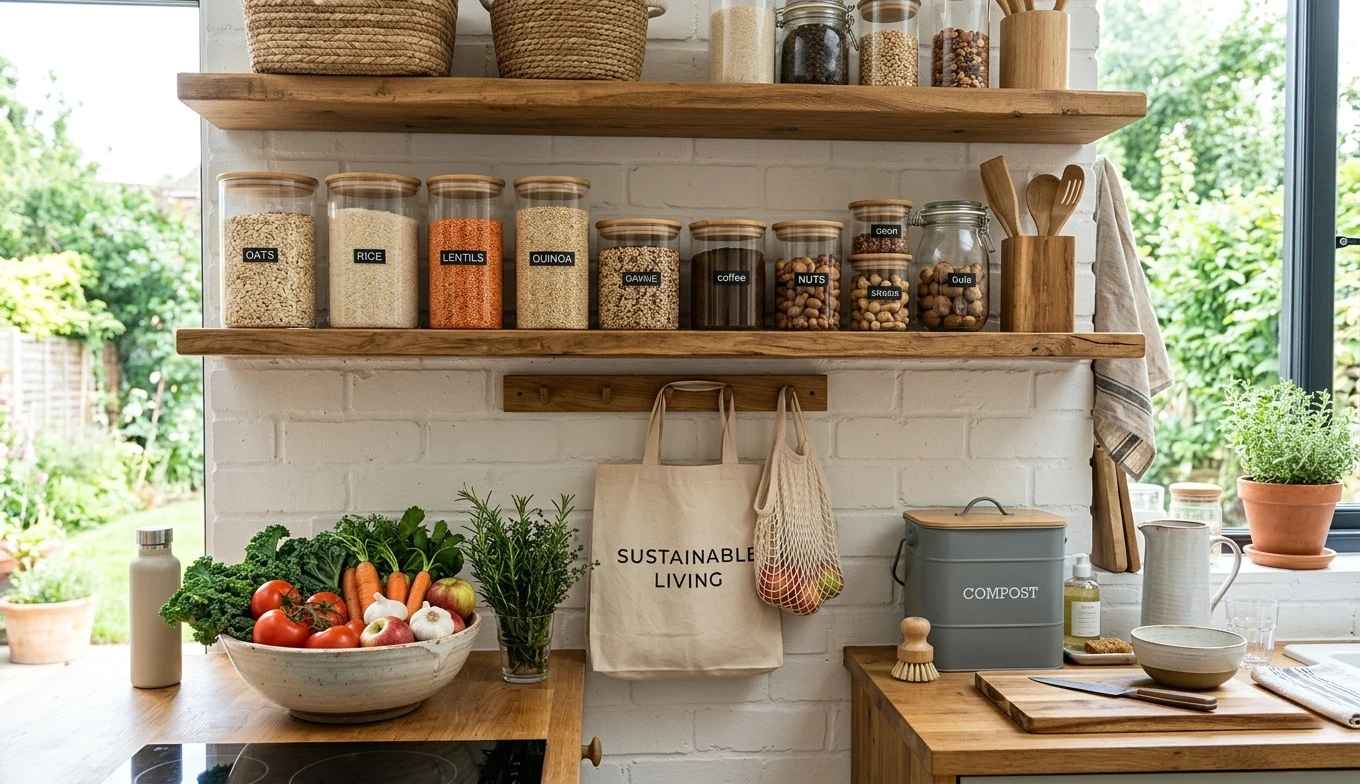
Food waste is a significant contributor to landfill. Much of this waste occurs at home, during meal preparation and consumption. From vegetable peels and herb stems to leftover ingredients and uneaten portions, a substantial amount of edible food is frequently thrown away. The zero waste challenge directly addresses this by encouraging us to rethink how we store, prepare, and utilize our food.
Practical Strategies for a Zero Waste Cooking Experience
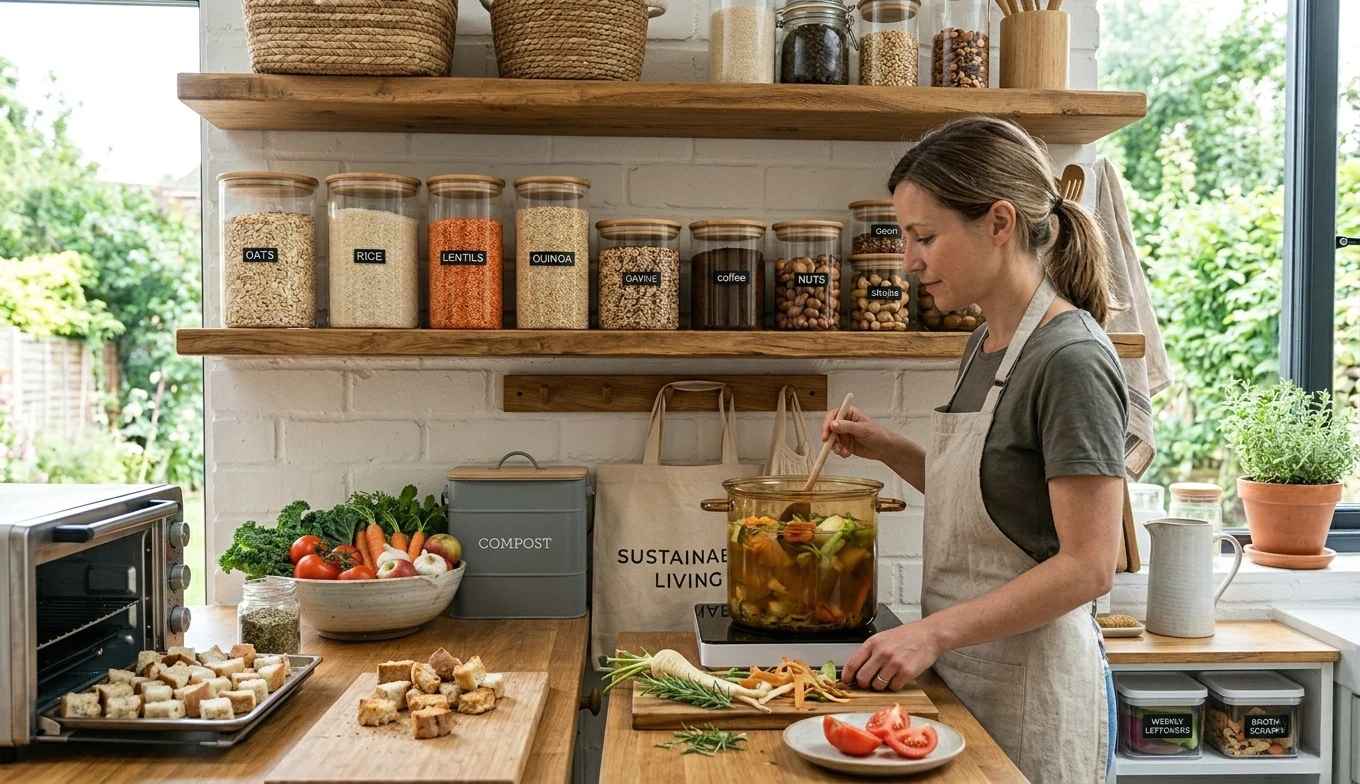
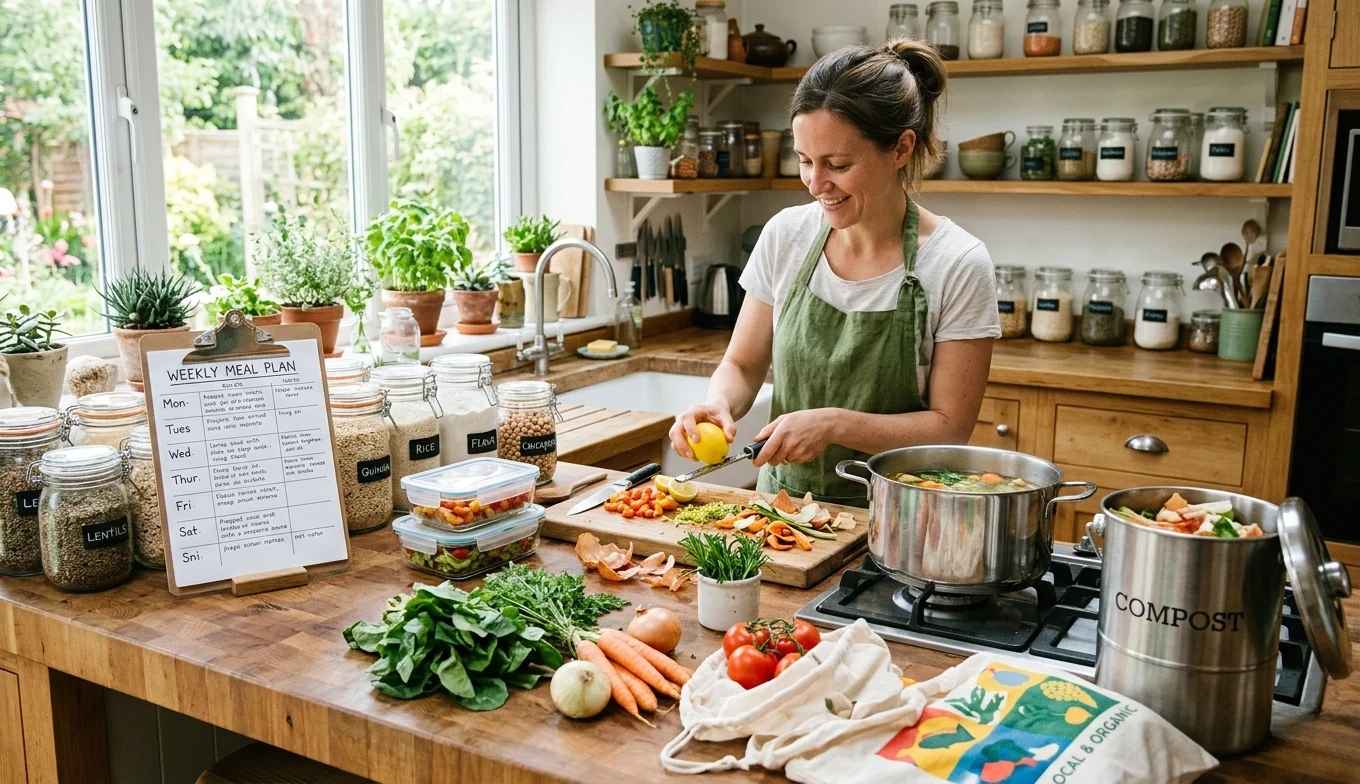
Embarking on the zero waste challenge in your kitchen involves a multi faceted approach. It begins with thoughtful planning and smart shopping. Making a meal plan and a corresponding grocery list helps prevent impulse purchases and ensures you only buy what you need. Opting for unpackaged produce, buying in bulk when possible, and choosing reusable containers are excellent starting points. Storing food correctly to extend its shelf life is another crucial element. Learning to utilize every part of an ingredient is where true culinary innovation shines. Vegetable scraps can be transformed into flavourful stocks. Stale bread can become croutons or breadcrumbs. Citrus peels can be zested or candied. Even herb stems can add depth to sauces and soups. Composting is also a vital component for unavoidable food scraps, turning them into valuable fertilizer for your plants.
Beyond Food: Rethinking Kitchen Supplies
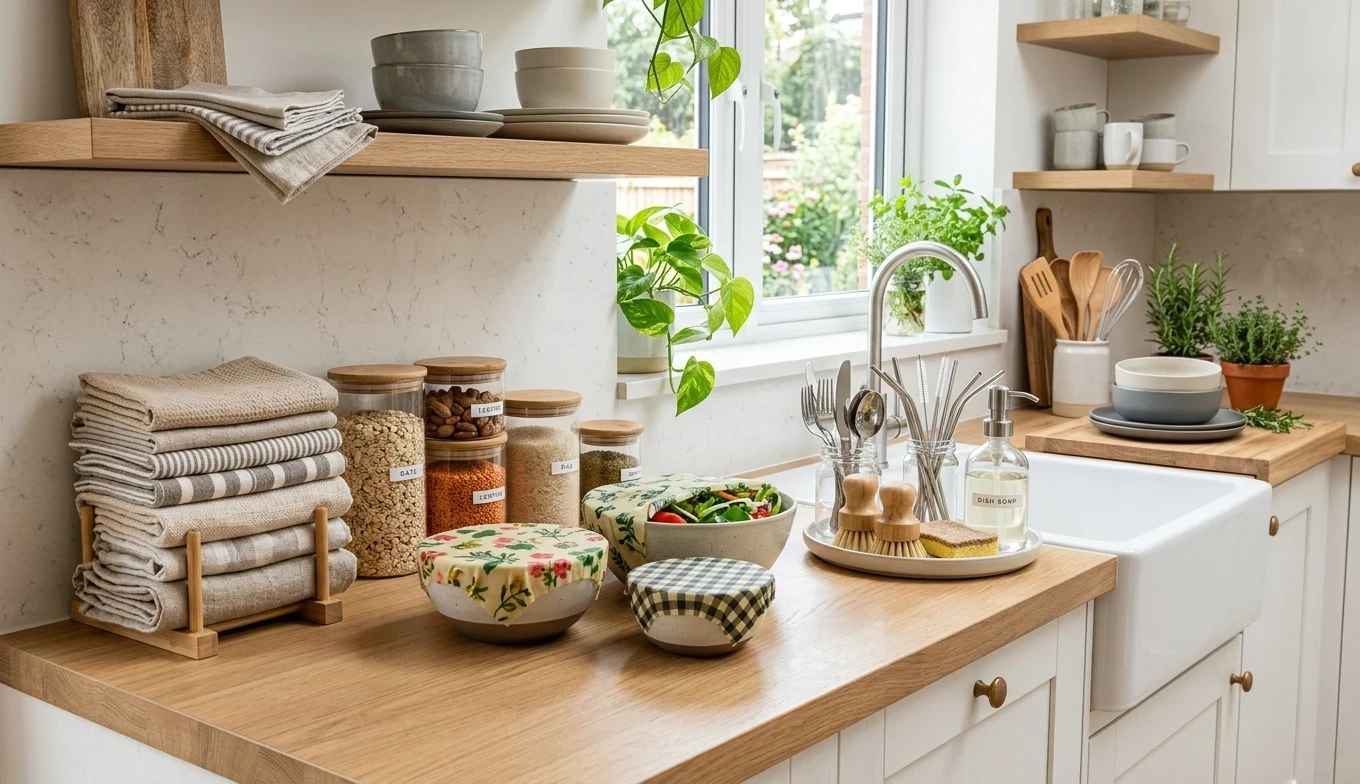
The zero waste challenge extends beyond food. It's also about minimizing reliance on single use items. Swapping paper towels for reusable cloths, plastic wrap for beeswax wraps or reusable containers, and disposable cutlery for durable, washable alternatives are simple yet impactful changes. Investing in quality, long lasting kitchen tools also reduces the need for frequent replacements.
The Ripple Effect: Happiness and Sustainability
The benefits of a zero waste kitchen ripple outwards, creating not just a healthier planet, but a more mindful and fulfilling lifestyle. Successfully implementing these practices can lead to a surprising sense of accomplishment and culinary happiness. It fosters a deeper connection to our food, our resources, and our impact on the environment. When we become more resourceful, we often discover new ways to create delicious and innovative meals, pushing our culinary boundaries in exciting ways. This journey is about progress, not perfection, and every small step towards reducing waste contributes to a larger, more sustainable future. The kitchen, often the heart of the home, can become a hub of environmental consciousness and a source of personal satisfaction.
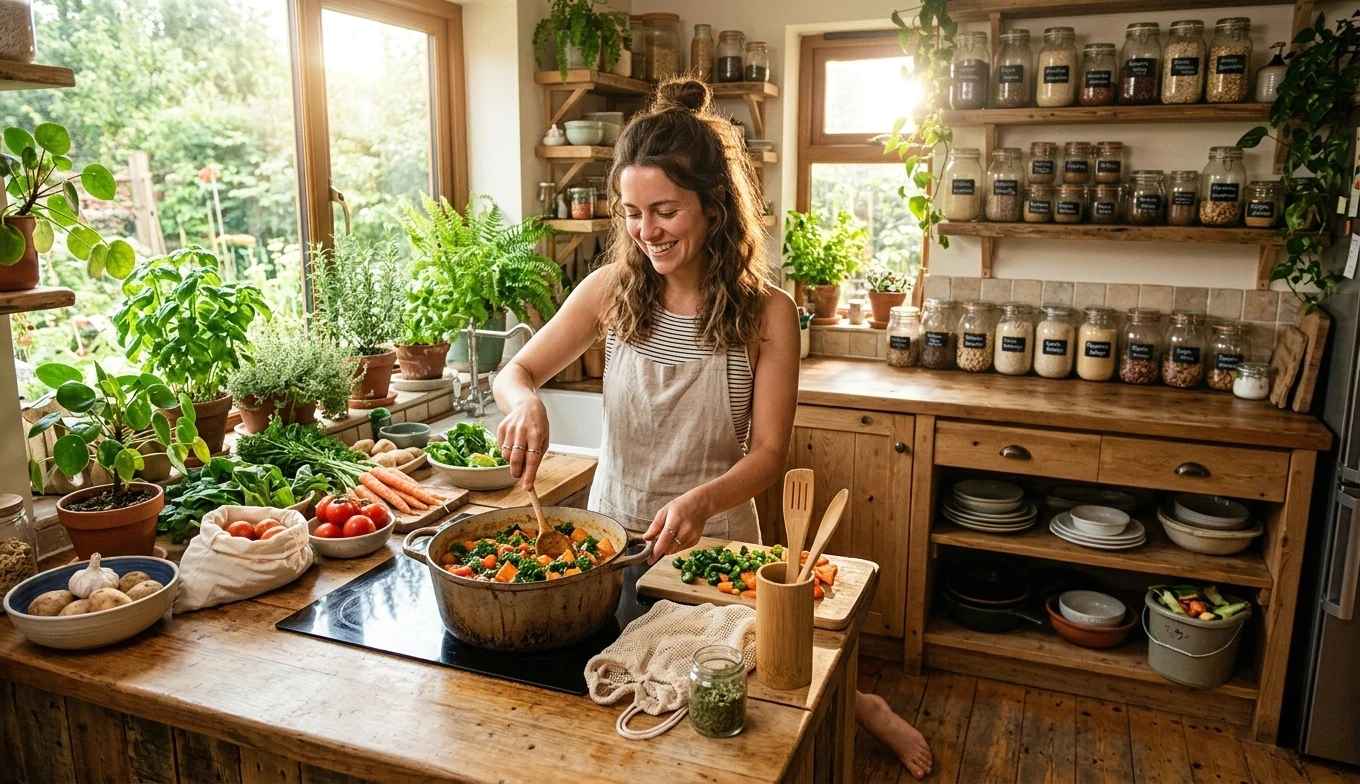
The zero waste challenge in the kitchen is an accessible and rewarding endeavor. By adopting mindful shopping habits, smart food storage, creative ingredient utilization, and a conscious approach to kitchen supplies, we can significantly reduce our waste footprint. This journey not only benefits the environment but also cultivates culinary creativity, enhances kitchen efficiency, and ultimately brings a unique form of happiness and fulfillment into our lives. Start small, be consistent, and discover the profound joy of cooking with less waste and more intention.
Most Popular








Anaya
comment1