



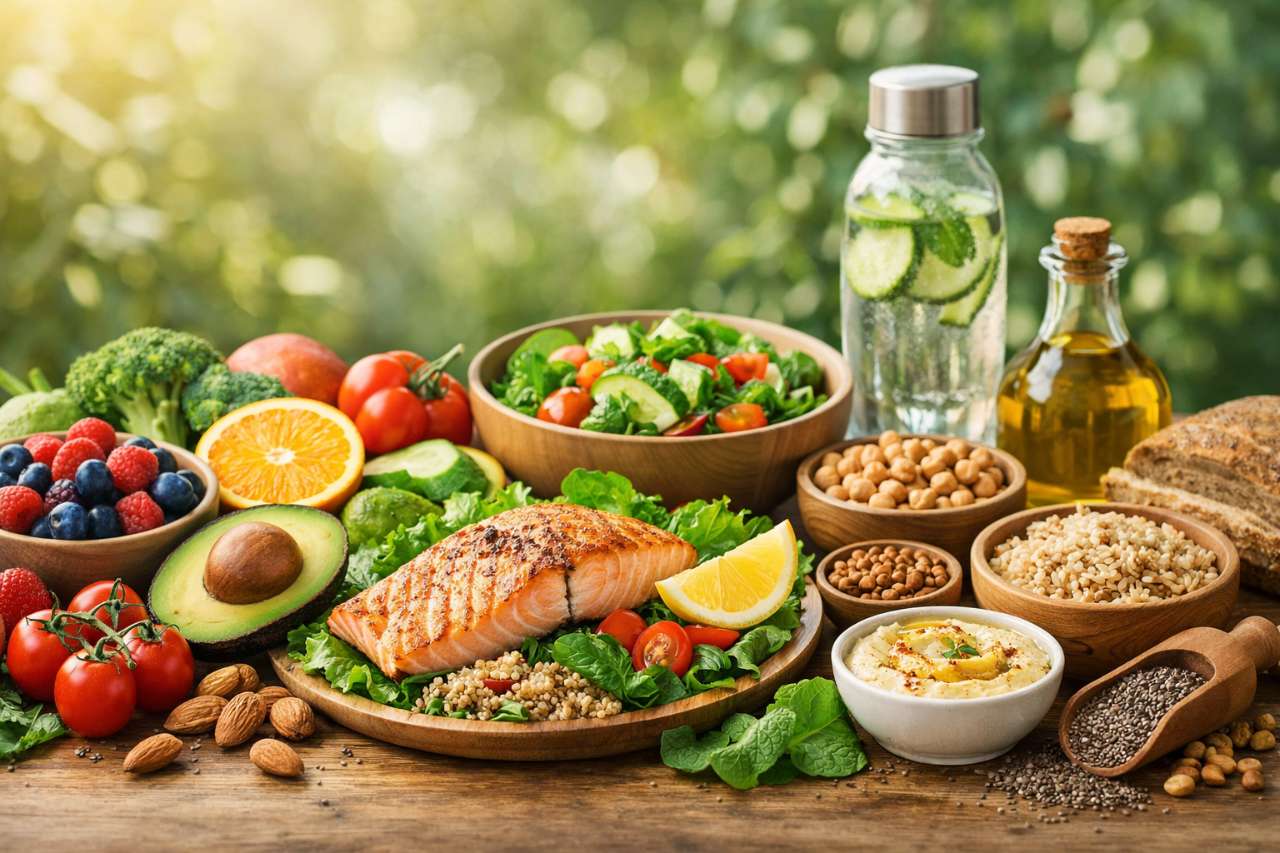
The Food We Eat A Foundation for Well-being
Hey there! Ever feel like navigating the world of healthy eating is a bit of a maze? You're definitely not alone. With so much information out there, it's easy to get overwhelmed. But here's the good news: eating healthy doesn't have to be complicated or restrictive. It's really about making small, sustainable changes that add up to big benefits for your body and mind.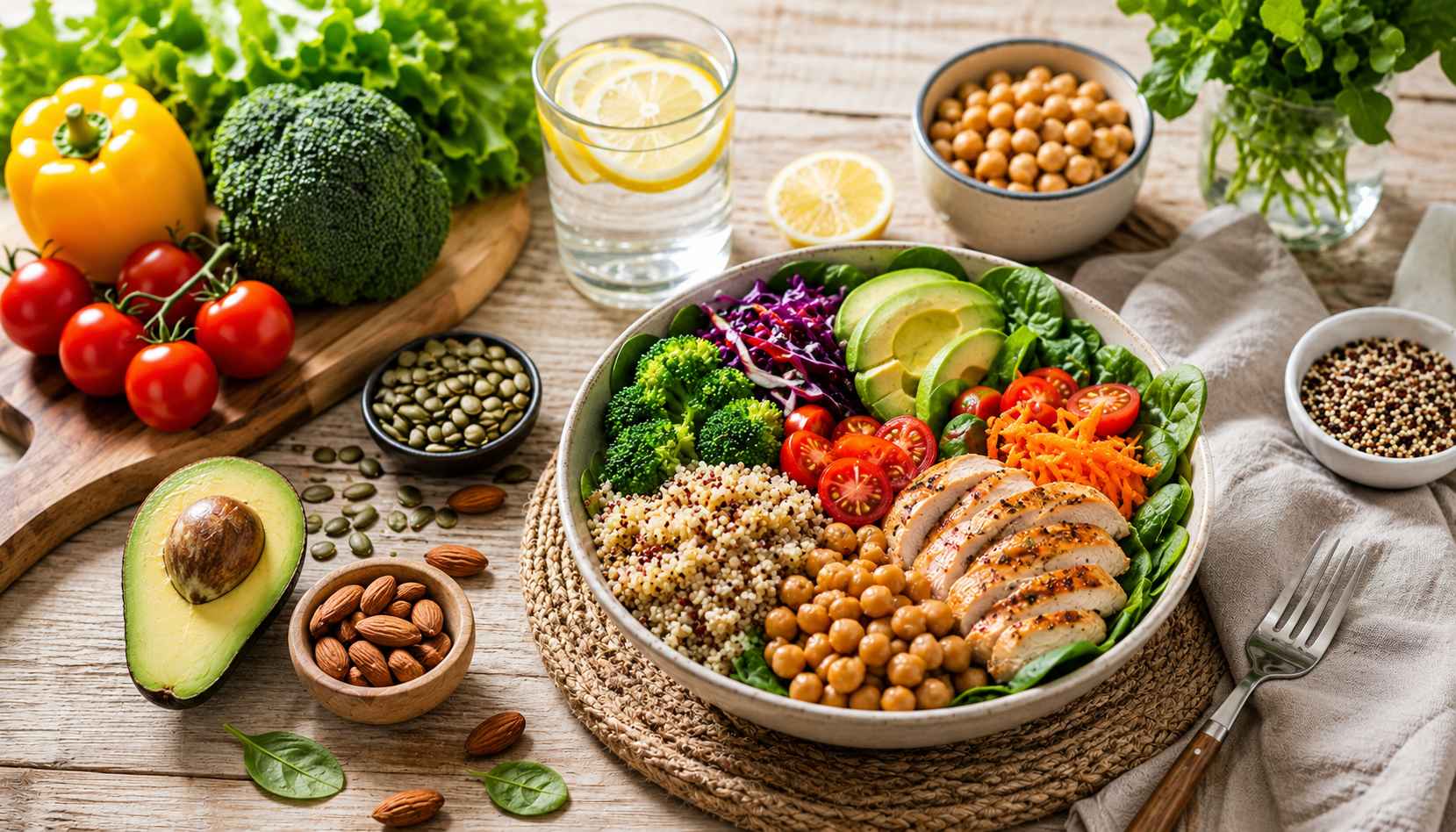
Why Bother With Healthy Food Anyway
Let's be honest, we all love a good treat now and then. And that's perfectly fine! The key isn't about cutting out everything you enjoy, but rather about building a foundation of nutritious foods that give you energy, keep you feeling full, and help your body function at its best. Think of it as giving your body the best fuel possible. When you eat well, you'll likely notice improvements in your energy levels, mood, sleep quality, and even your skin. Plus, it's a fantastic way to reduce your risk of chronic diseases down the line.
Simple Swaps for a Healthier Plate
So, where do we start? Let's break it down into some easy, actionable steps you can implement right away.
Embrace Whole Foods
This is probably the most important tip. Whole foods are foods that are as close to their natural state as possible. Think fruits, vegetables, whole grains (like oats, brown rice, quinoa), lean proteins (chicken, fish, beans, lentils), and healthy fats (avocado, nuts, seeds). These foods are packed with vitamins, minerals, and fiber that your body craves. Try to fill at least half your plate with colorful fruits and vegetables at each meal.
Hydration is Key
Don't forget to drink your water! Staying properly hydrated is crucial for so many bodily functions, from digestion to temperature regulation. Keep a water bottle with you throughout the day and sip on it regularly. If plain water feels a bit boring, try infusing it with fruit like lemon, cucumber, or berries for a refreshing twist.
Mindful Eating Practices
It's not just about what you eat, but how you eat it. Try to slow down during meals and really pay attention to your food. Notice the flavors, textures, and how you feel as you eat. This mindful approach can help you recognize your body's hunger and fullness cues better, preventing overeating. Put away distractions like your phone or TV and give yourself the time to truly enjoy your meal.
Plan Ahead
A little bit of planning can go a long way in making healthy choices easier, especially when you're busy. This doesn't mean you need to meal prep every single meal for the week. Start small. Maybe plan out your breakfasts or pack a healthy lunch a couple of times a week. Having healthy options readily available makes it less likely you'll reach for less nutritious convenience foods when hunger strikes.
Don't Fear Healthy Fats
Fats often get a bad rap, but healthy fats are essential for our bodies. They help absorb certain vitamins, protect our organs, and play a role in hormone production. Incorporate sources like avocados, olive oil, nuts, and fatty fish (like salmon) into your diet. Just remember to enjoy them in moderation as they are calorie dense.
Listen to Your Body
Ultimately, your body is your best guide. Pay attention to how different foods make you feel. Do you feel energized after a certain meal, or sluggish? Are you consistently feeling bloated after eating something specific? These are clues that can help you fine-tune your diet to what works best for you. There's no one-size-fits-all approach to healthy eating.
Making it Stick
Remember, building healthy eating habits is a journey, not a race. There will be days where you don't eat perfectly, and that's perfectly okay! The goal is progress, not perfection. Celebrate the small victories, be kind to yourself, and keep moving forward. By focusing on nourishing your body with good food, you're investing in your long-term health and happiness. So, what's one small change you can make today to eat a little healthier?

Most Popular












Anaya
comment1