




The Growing Appeal of Vegetarianism
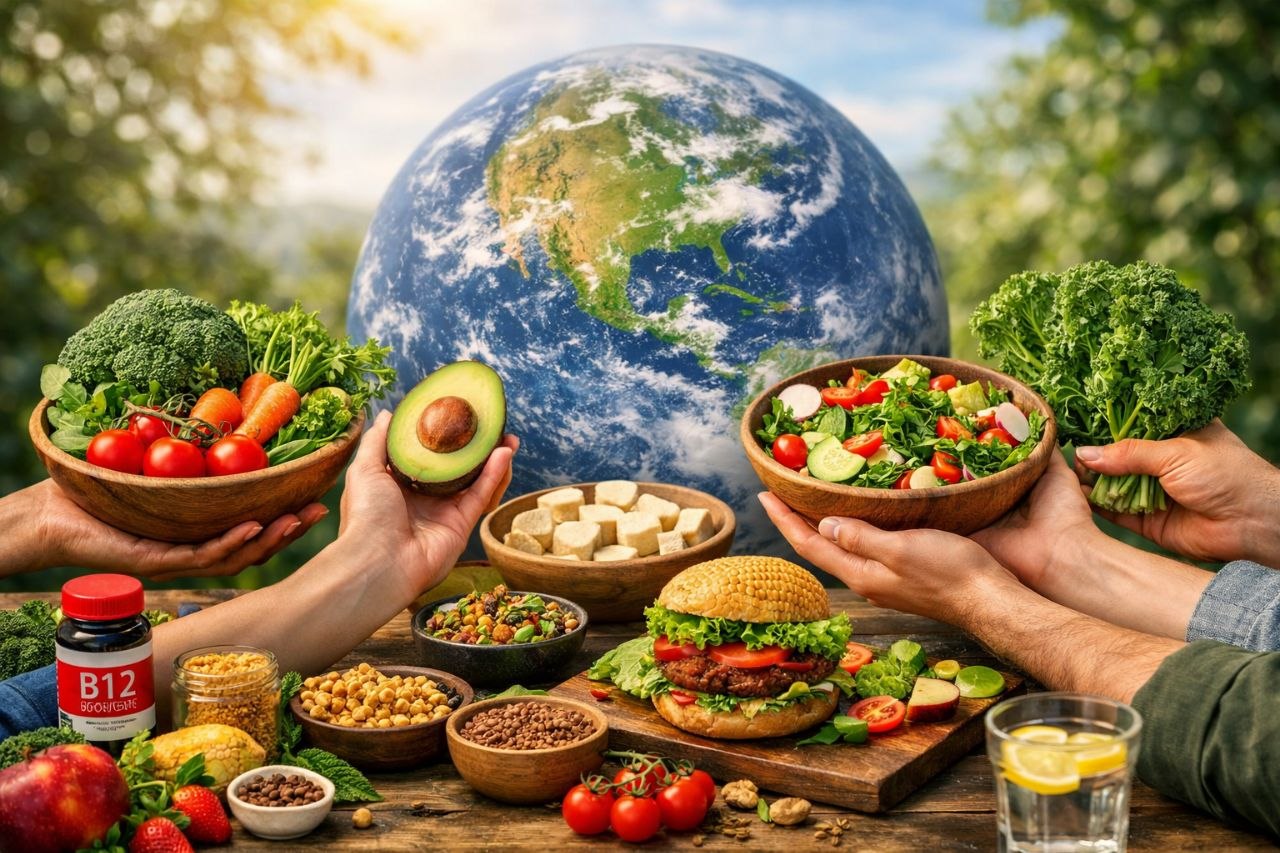
In recent years, there has been a significant surge in interest surrounding vegetarianism. Whether driven by health consciousness, ethical considerations, or environmental awareness, more and more individuals are exploring plant-based diets. This shift is not merely a fleeting trend but a reflection of a deeper engagement with how our food choices impact our well being and the planet.
 Understanding the Vegetarian Spectrum
The term "vegetarian" encompasses a variety of dietary patterns. At its core, vegetarianism excludes meat, poultry, and fish. However, variations exist:
- Lacto-ovo vegetarian: Includes dairy products and eggs. This is the most common form of vegetarianism.
- Lacto vegetarian: Includes dairy products but excludes eggs.
- Ovo vegetarian: Includes eggs but excludes dairy products.
- Vegan: Excludes all animal products, including dairy, eggs, and often honey.
Each of these approaches offers a unique way to adopt a plant-centric diet, allowing for flexibility based on personal preferences and needs.
Health Benefits of a Vegetarian Diet
A well planned vegetarian diet can offer numerous health advantages. Rich in fruits, vegetables, whole grains, legumes, nuts, and seeds, it typically provides a wealth of fiber, vitamins, minerals, and antioxidants. These nutrients are vital for maintaining overall health and can contribute to:
Disease Prevention
Studies have consistently shown that vegetarians often have lower rates of heart disease, type 2 diabetes, certain types of cancer, and obesity. The high fiber content helps in managing cholesterol levels and blood sugar, while the abundance of antioxidants combats cellular damage.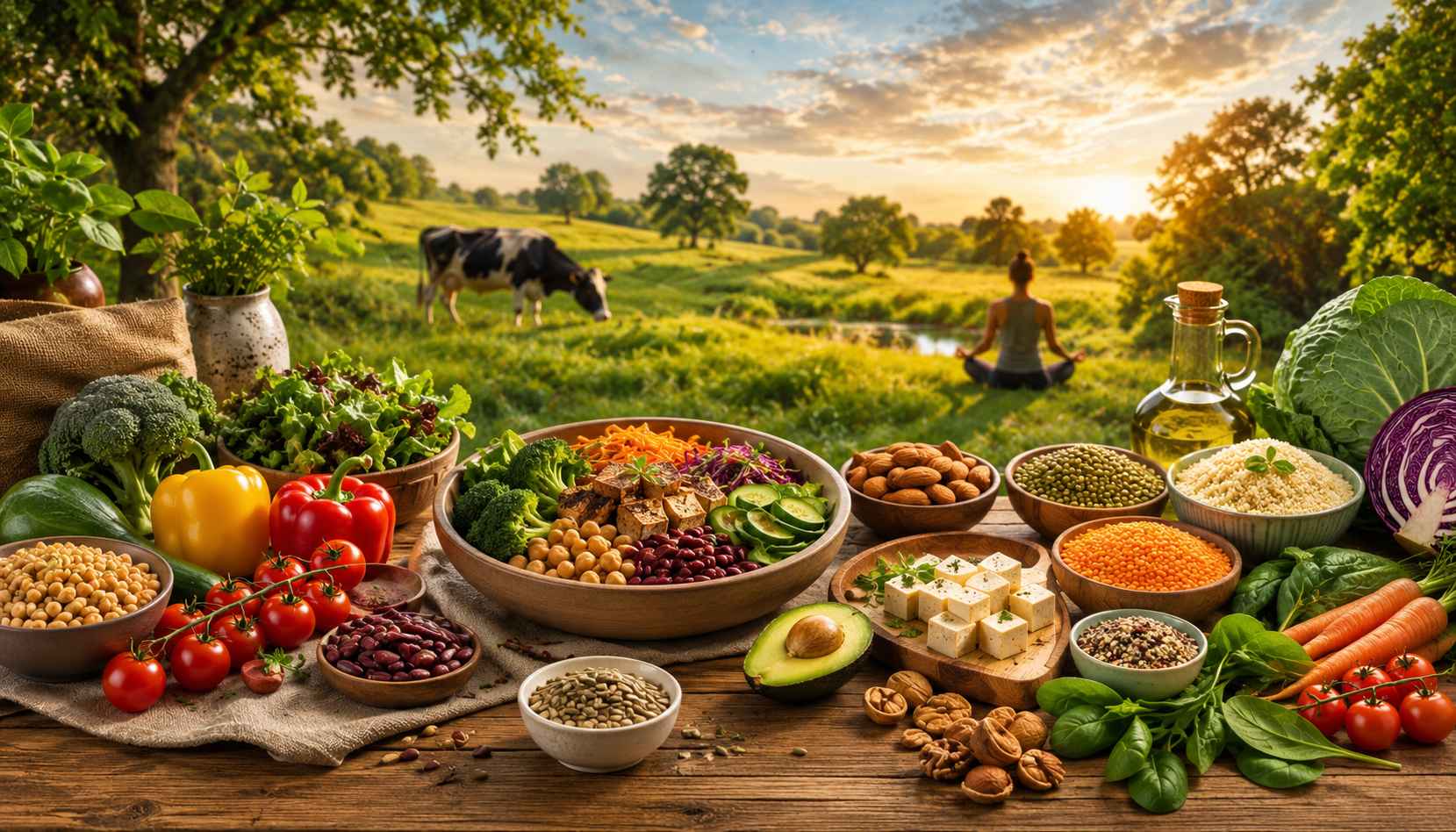
Weight Management
Plant-based foods are generally lower in calories and saturated fat, and higher in fiber, which promotes satiety. This can make weight management more achievable and sustainable.
Improved Digestive Health
The high fiber content in a vegetarian diet is a boon for the digestive system, promoting regularity and a healthy gut microbiome.
Environmental and Ethical Considerations
Beyond personal health, adopting a vegetarian lifestyle aligns with growing concerns about environmental sustainability and animal welfare. Livestock farming is a significant contributor to greenhouse gas emissions, land degradation, and water pollution. By reducing meat consumption, individuals can lessen their ecological footprint.
Furthermore, many people choose vegetarianism out of compassion for animals, seeking to avoid contributing to practices they find ethically objectionable.
Navigating a Vegetarian Lifestyle
Transitioning to a vegetarian diet is often smoother than perceived. With the increasing availability of vegetarian products and a wealth of delicious recipes, it's easier than ever to enjoy satisfying and nutritious meals. The key lies in:
Balanced Nutrition
Ensuring adequate intake of key nutrients like vitamin B12, iron, calcium, vitamin D, omega-3 fatty acids, and protein is crucial. This can be achieved through careful meal planning and, if necessary, supplementation. Fortified foods and diverse plant-based protein sources like lentils, beans, tofu, and tempeh are excellent starting points.
Culinary Exploration
The world of vegetarian cuisine is vast and flavorful. From vibrant salads and hearty stews to creative pasta dishes and innovative meat substitutes, there are endless culinary possibilities to explore. Experimenting with different spices, herbs, and cooking techniques can elevate vegetarian meals from simple to spectacular.
Social Situations
Dining out or attending social gatherings may require a bit of foresight. Many restaurants now offer dedicated vegetarian and vegan options. Communicating dietary needs in advance can help ensure enjoyable dining experiences for everyone.
Embracing a vegetarian lifestyle is a multifaceted decision with far reaching benefits. It offers a pathway to improved personal health, contributes to a more sustainable planet, and can be a deeply rewarding ethical choice. As more people discover the delicious and diverse world of plant-based eating, vegetarianism is set to continue its ascent as a popular and beneficial dietary choice for a general audience.

Most Popular













Anaya
comment1