



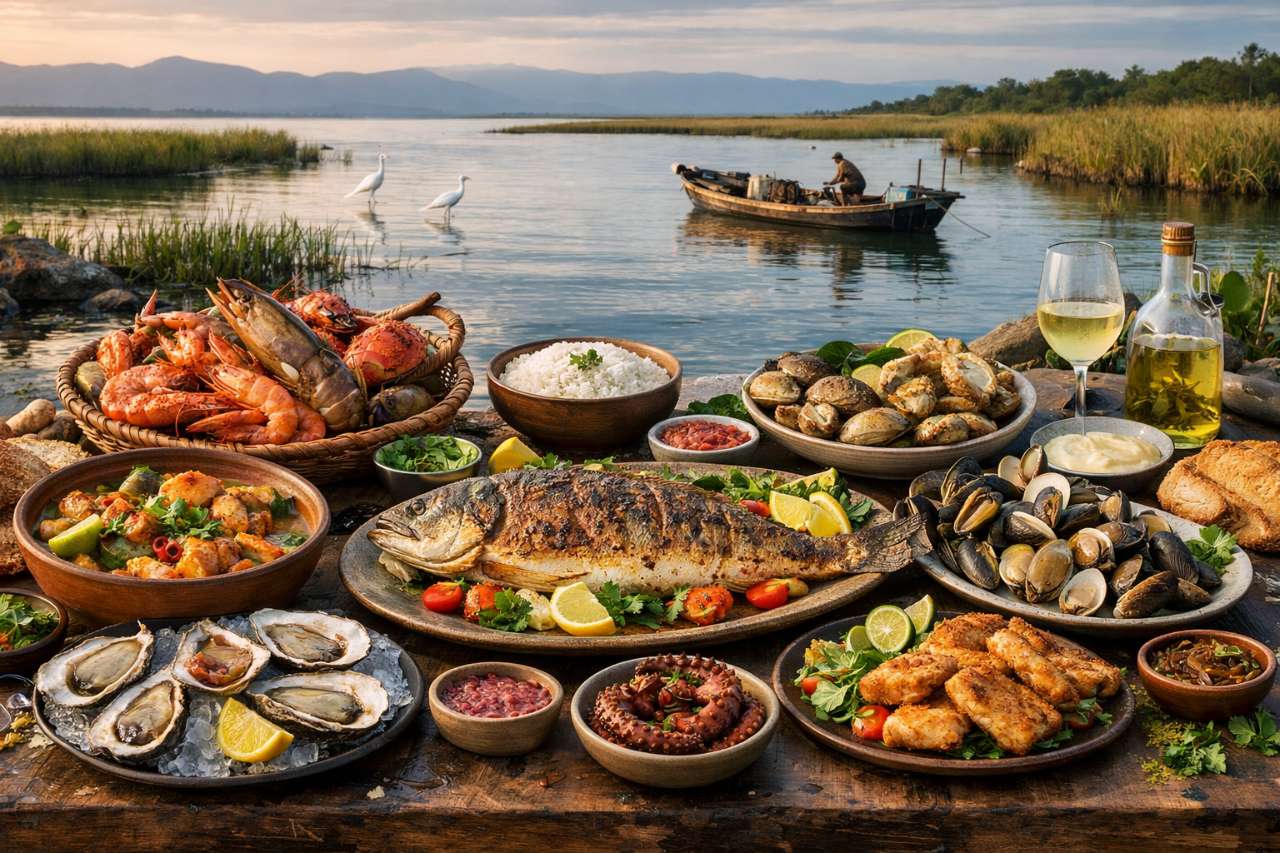
The world of food is vast and diverse, offering a kaleidoscope of flavors influenced by geography, culture, and tradition. Among the many culinary landscapes, lagoon foods hold a special place. These nutrient rich aquatic ecosystems, characterized by their brackish waters and unique biodiversity, provide an exceptional array of ingredients that have sustained coastal communities for centuries. From the vibrant seafood to the specialized vegetation, lagoon foods offer a distinctive and delectable gastronomic experience.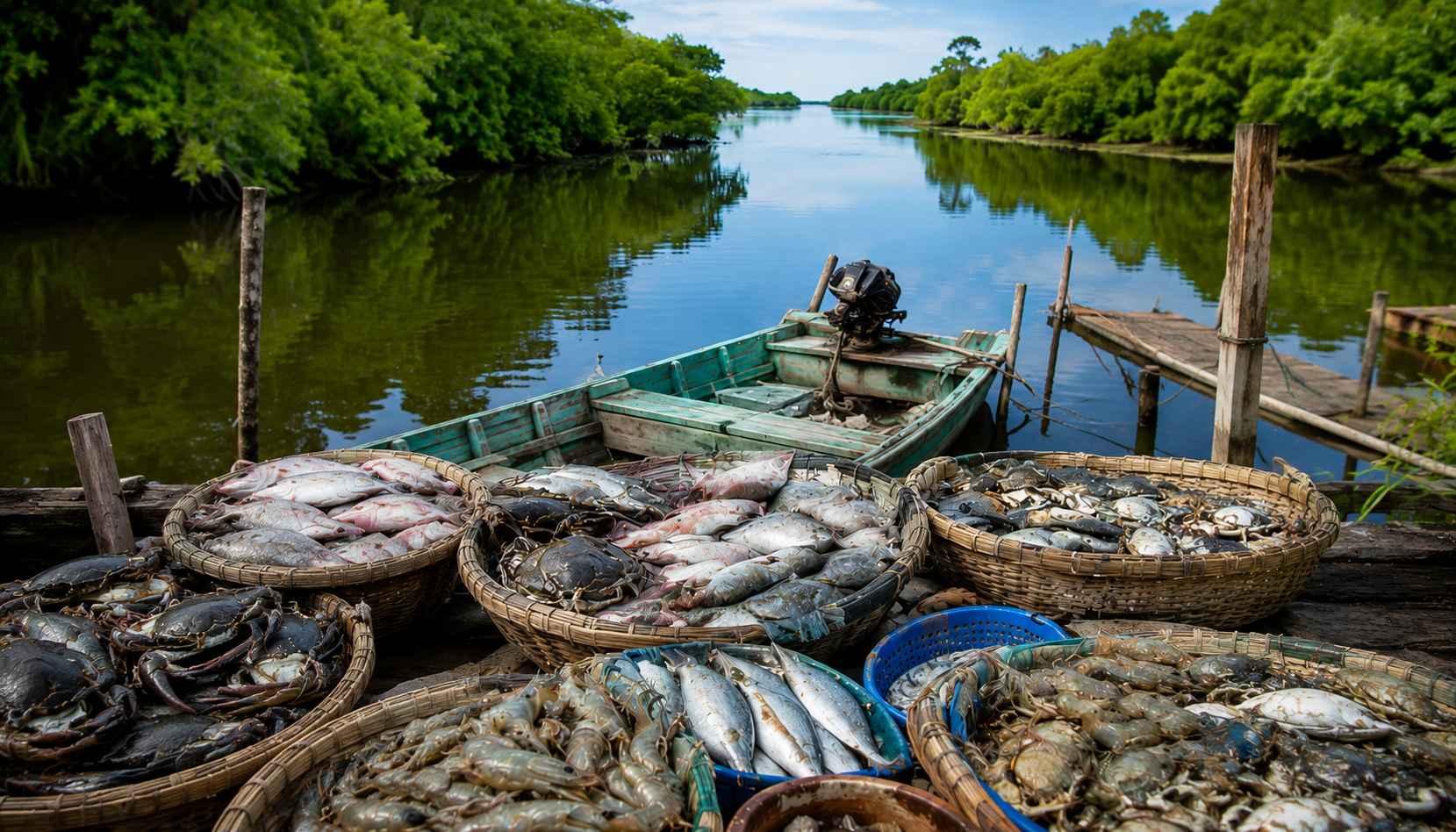
Understanding Lagoon Ecosystems and Their Bounty
Lagoons are partially enclosed coastal bodies of water where freshwater from rivers or streams mixes with saltwater from the ocean. This unique environment creates a delicate balance that supports a rich variety of life. The shallowness and often calmer waters of lagoons provide ideal nursery grounds for many fish and shellfish species. This makes them particularly productive for sustainable fishing and aquaculture.
The typical inhabitants of lagoons include a wide range of marine life. Crustaceans like shrimp, prawns, and crabs thrive in these waters, offering succulent and versatile ingredients. Various species of fish, such as mullets, sea breams, and groupers, are also commonly found, prized for their firm textures and mild flavors. Mollusks, including oysters, mussels, and clams, are filter feeders that contribute to water quality while also being a staple in many coastal diets. The abundance and accessibility of these resources have shaped the culinary traditions of communities living along lagoon shores.
Culinary Traditions and Flavors of Lagoon Foods
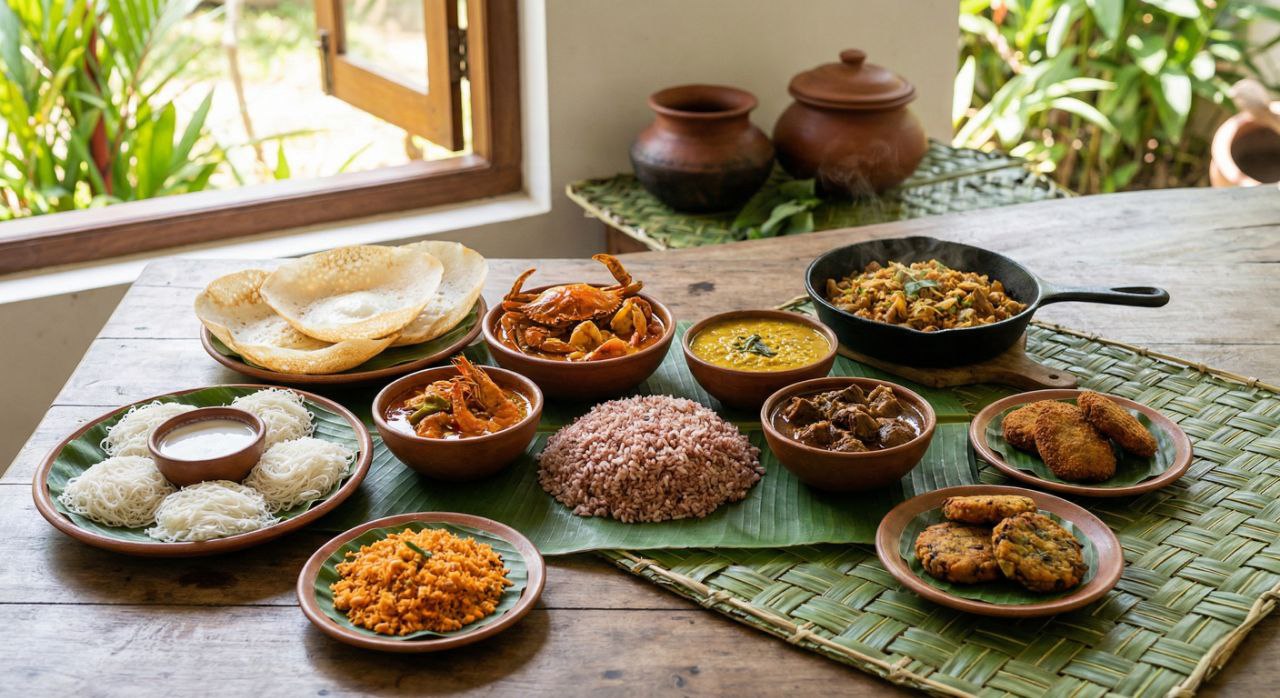
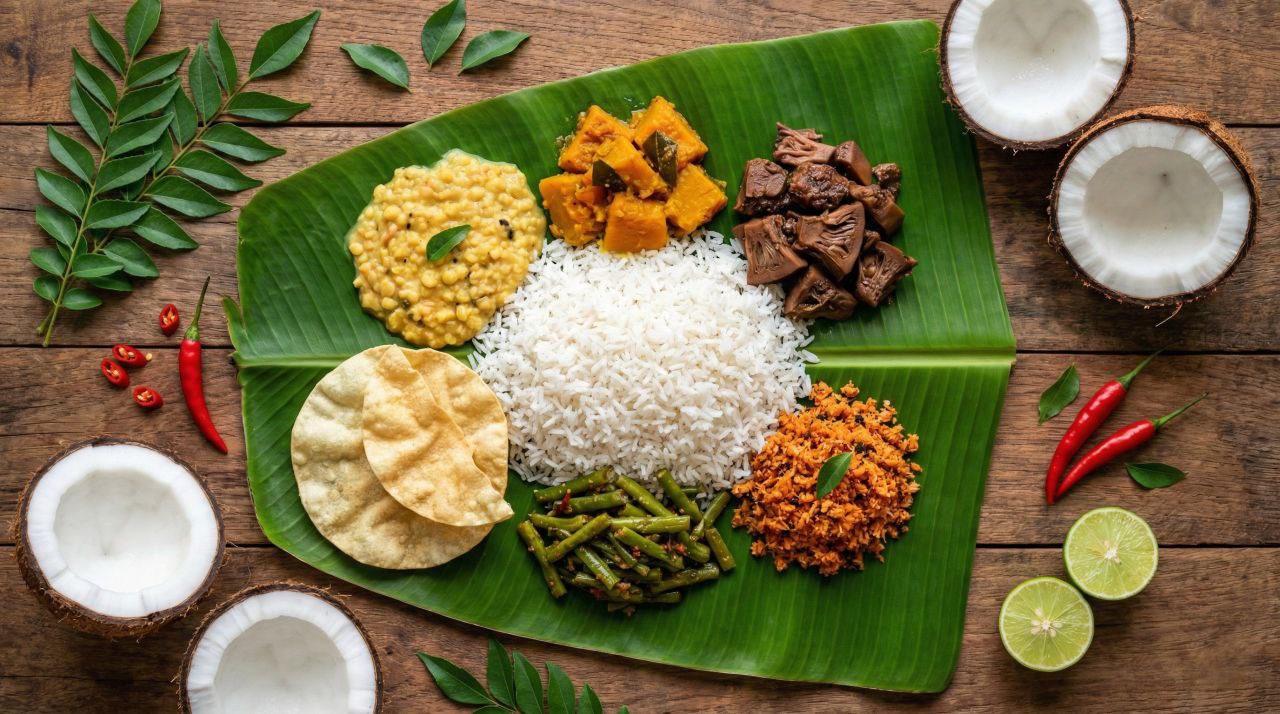
The preparation of lagoon foods often emphasizes freshness and the natural flavors of the ingredients. Simple cooking methods such as steaming, grilling, or pan frying are popular, allowing the inherent taste of the seafood to shine through. Many recipes incorporate locally grown herbs and spices, reflecting the agricultural practices and available produce of the surrounding regions. Coconut milk, for instance, is a frequent addition in many tropical lagoon cuisines, lending a creamy richness and subtle sweetness to dishes.
Regional variations in lagoon food preparation are vast. In Southeast Asia, for example, lagoon seafood is often incorporated into spicy stir fries, flavorful curries, and aromatic noodle soups. The use of ingredients like lemongrass, ginger, chili, and lime creates a vibrant and zesty profile. In contrast, Mediterranean lagoon communities might prepare their catch with olive oil, garlic, tomatoes, and fresh parsley, resulting in a lighter, herbaceous flavor. These diverse culinary approaches highlight the adaptability of lagoon ingredients to various palates and cooking styles.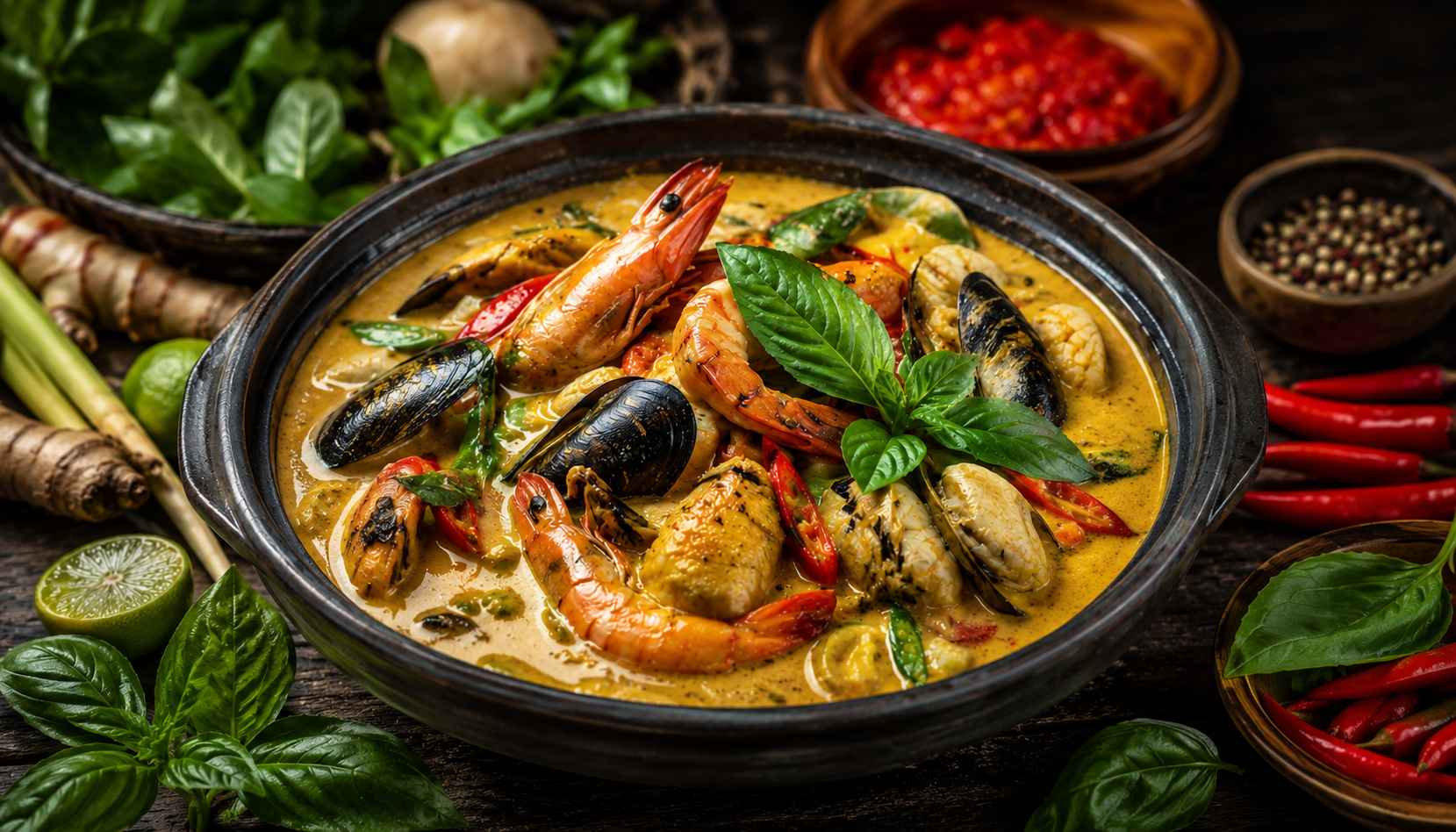
Nutritional Benefits and Sustainability
Beyond their delicious taste, lagoon foods are also highly nutritious. Seafood, in general, is an excellent source of lean protein, essential omega-3 fatty acids, vitamins, and minerals. These nutrients are crucial for heart health, brain function, and overall well-being. The omega-3s found in fatty fish like salmon and mackerel, which can be found in some lagoon environments, are particularly beneficial.
Furthermore, the sustainable management of lagoon resources is a growing focus. Traditional fishing practices often aim to maintain ecological balance, ensuring the long-term availability of these food sources. Aquaculture, when managed responsibly, can also play a vital role in providing a consistent supply of seafood while reducing pressure on wild populations. Choosing sustainably sourced lagoon foods not only supports local economies but also helps preserve these valuable aquatic ecosystems for future generations.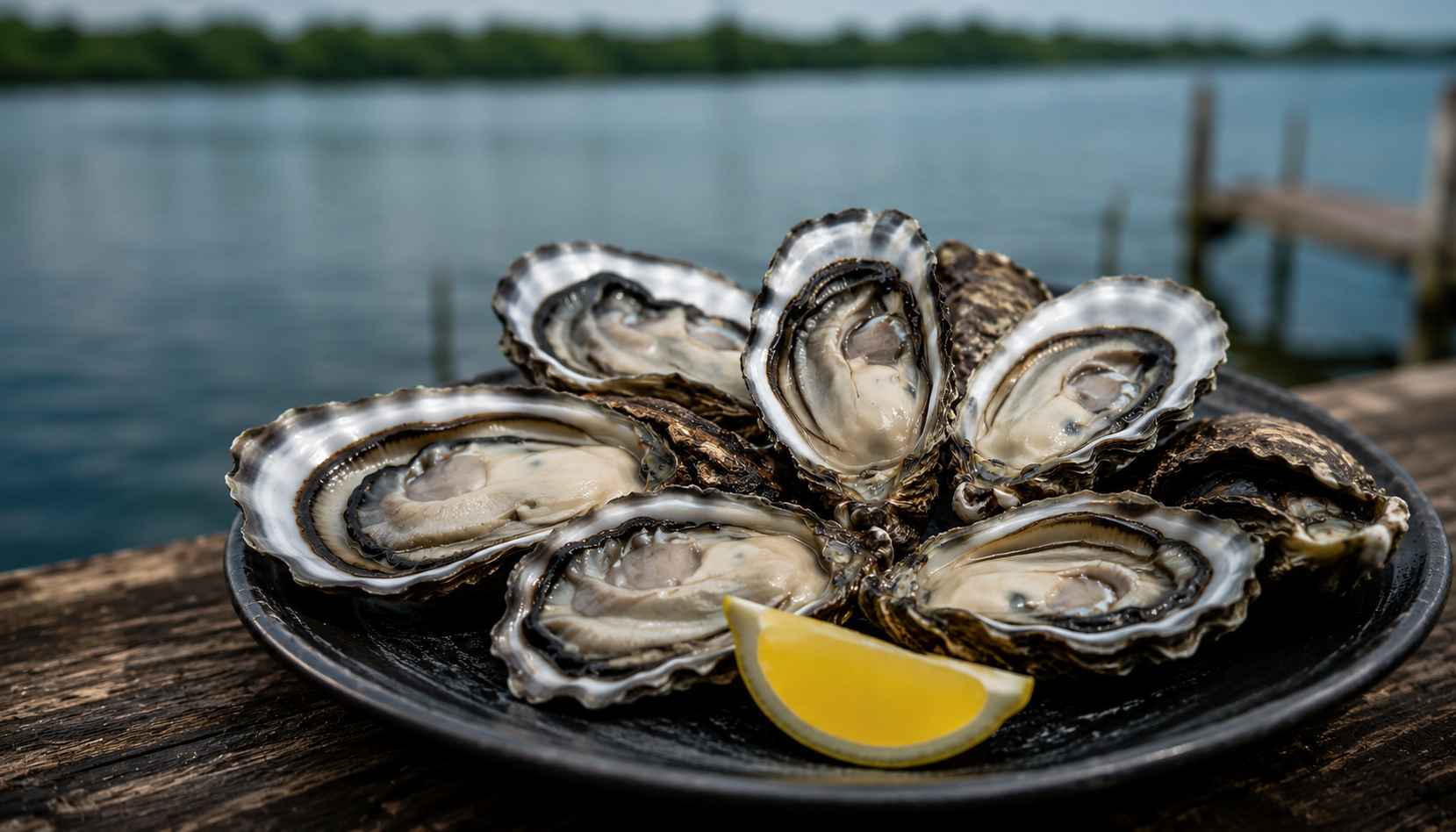
Embarking on a Lagoon Food Culinary Journey
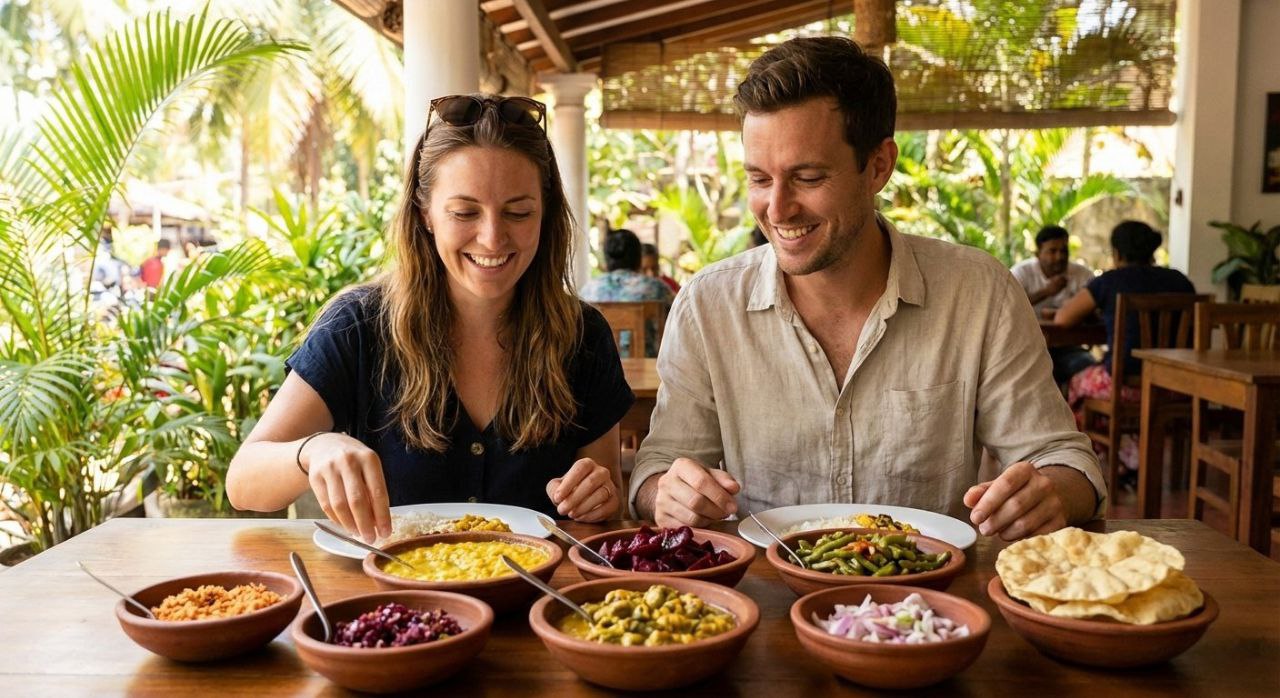
Exploring the world of lagoon foods is an invitation to experience a unique intersection of nature, culture, and gastronomy. Whether you are sampling fresh oysters by the water's edge, savoring a complex seafood curry, or enjoying a simply grilled fish, the flavors of the lagoon offer a profound connection to the coastal environment. As we continue to appreciate and seek out these culinary treasures, understanding the ecosystems that nurture them and supporting sustainable practices becomes increasingly important. The bounty of the lagoons awaits, promising a truly memorable and nourishing dining adventure.

Most Popular










Anaya
comment1