



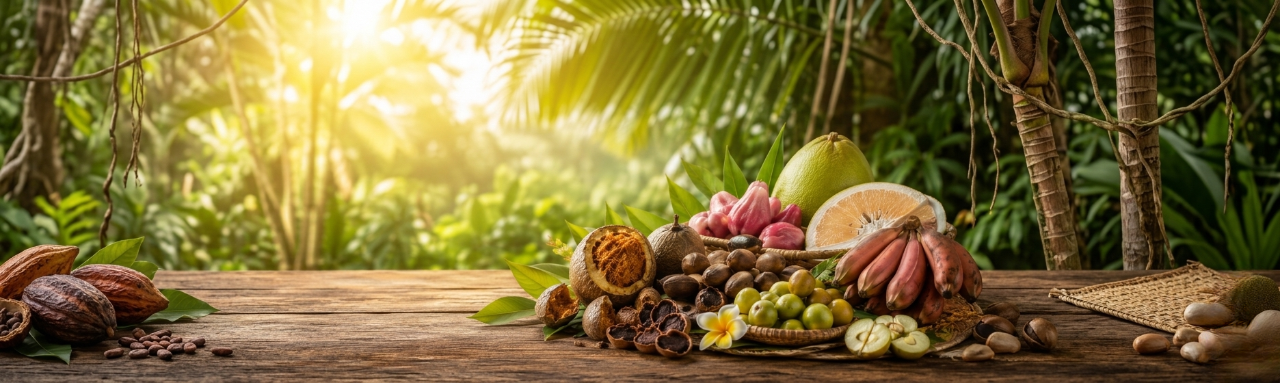
Imagine biting into a fruit so unique, so bursting with flavor, you can practically taste the tropical sun. Sri Lanka, often called the 'Pearl of the Indian Ocean,' is a paradise not just for its stunning beaches and ancient ruins, but also for its incredible diversity of exotic fruits. While mangoes and pineapples are familiar, Sri Lanka offers a treasure trove of indigenous and rare fruits that will tantalize your taste buds and leave you craving more. If you're planning a trip or simply want to explore the world of culinary wonders, join us as we embark on a delicious journey through the most exotic fruits in Sri Lanka you absolutely must try.
Why Sri Lankan Fruits Are Unique
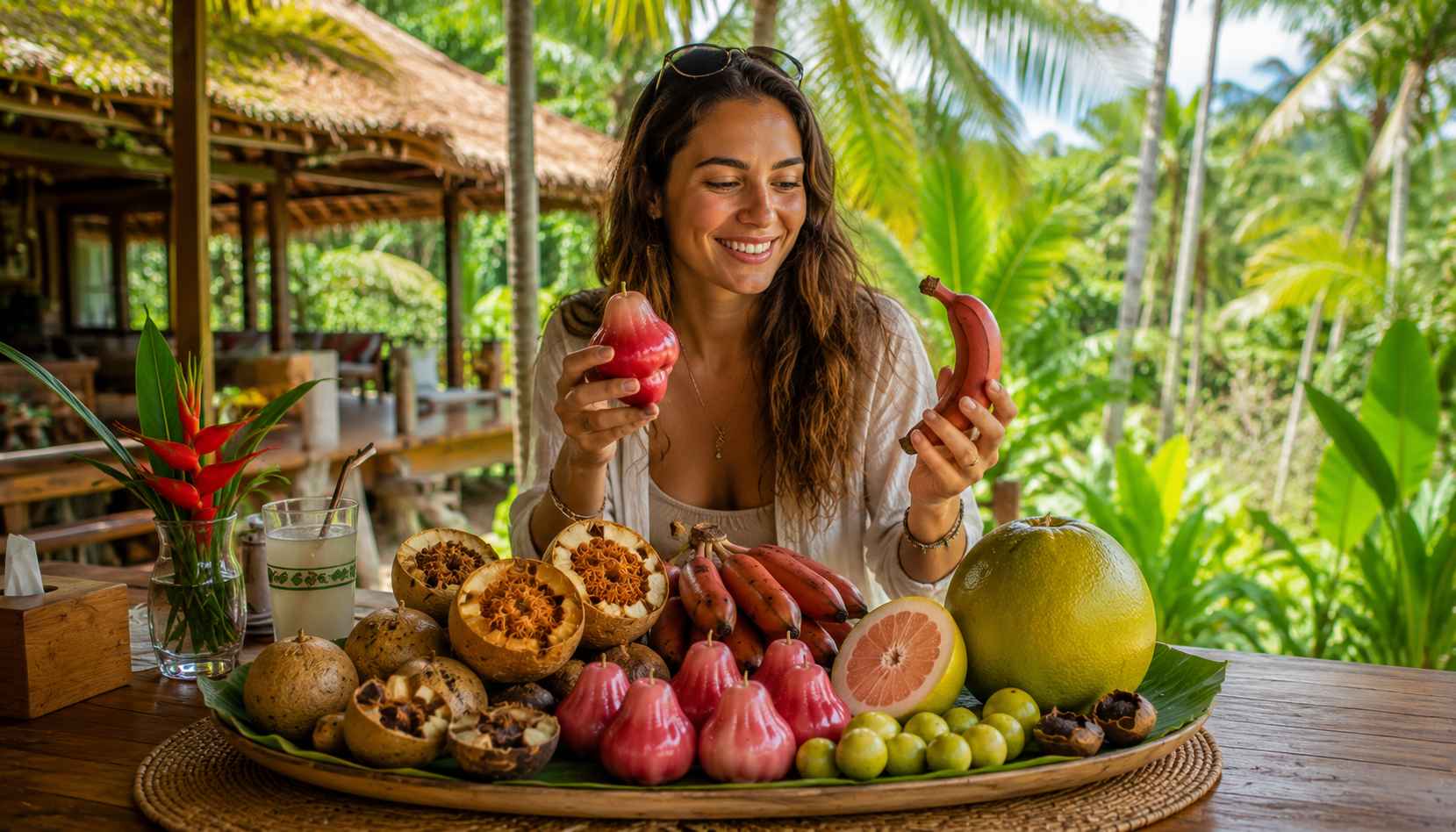
Sri Lanka's diverse climate, ranging from humid coastal plains to cool highlands, creates the perfect environment for a wide array of fruits to flourish. This geographical advantage, combined with centuries of agricultural tradition, has led to the development and preservation of many unique fruit varieties. Unlike fruits that have been bred for mass production and long shelf life, many Sri Lankan fruits retain their intense, natural flavors and nutritional density. They are often enjoyed fresh, picked at peak ripeness, offering an authentic taste experience that is hard to replicate elsewhere. These fruits are not just a treat for the senses; they are deeply woven into the fabric of Sri Lankan culture, used in traditional medicines, desserts, and everyday meals.
Must Try Exotic Fruits in Sri Lanka
Wood Apple (Limonia acidissima)
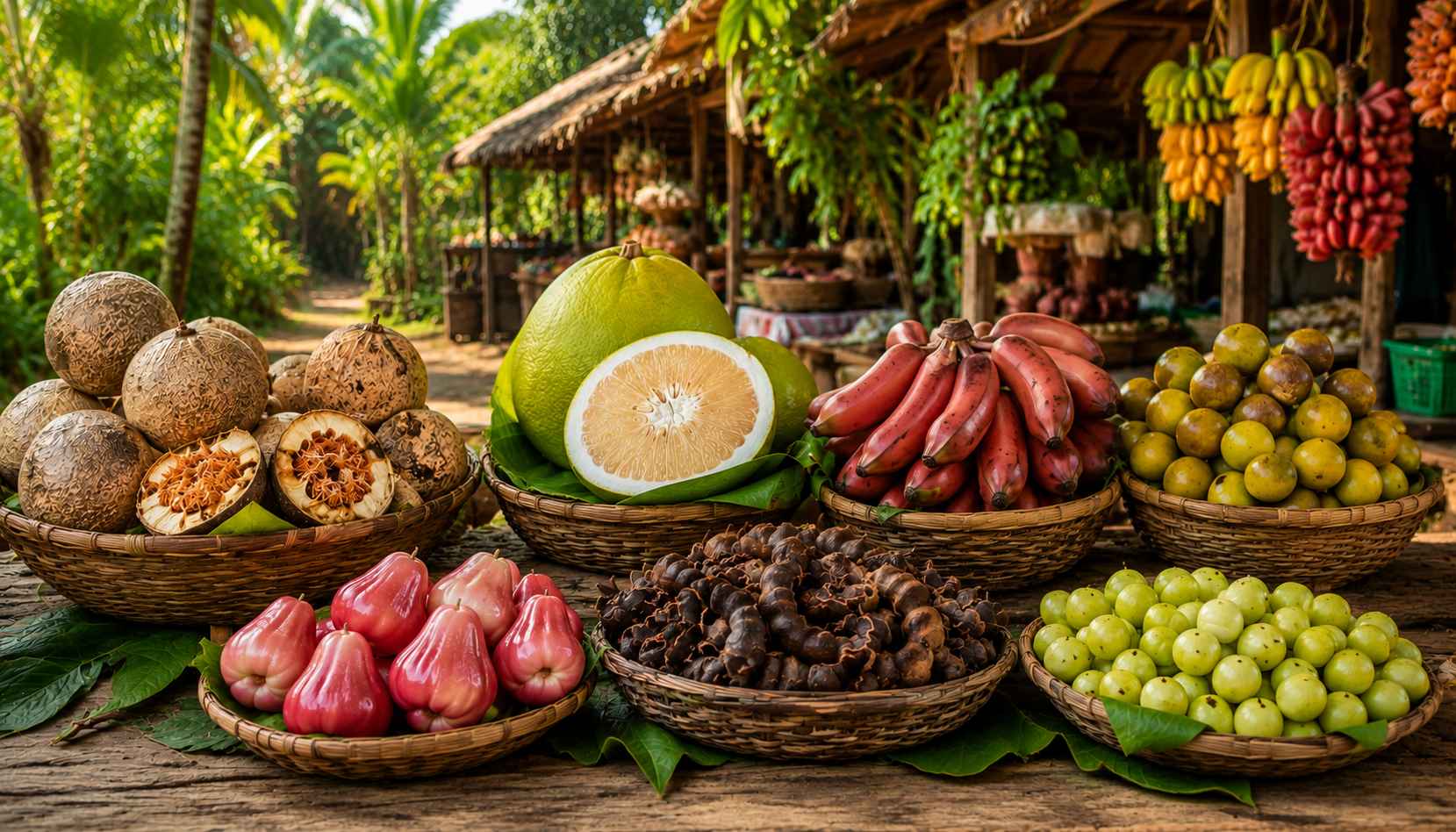
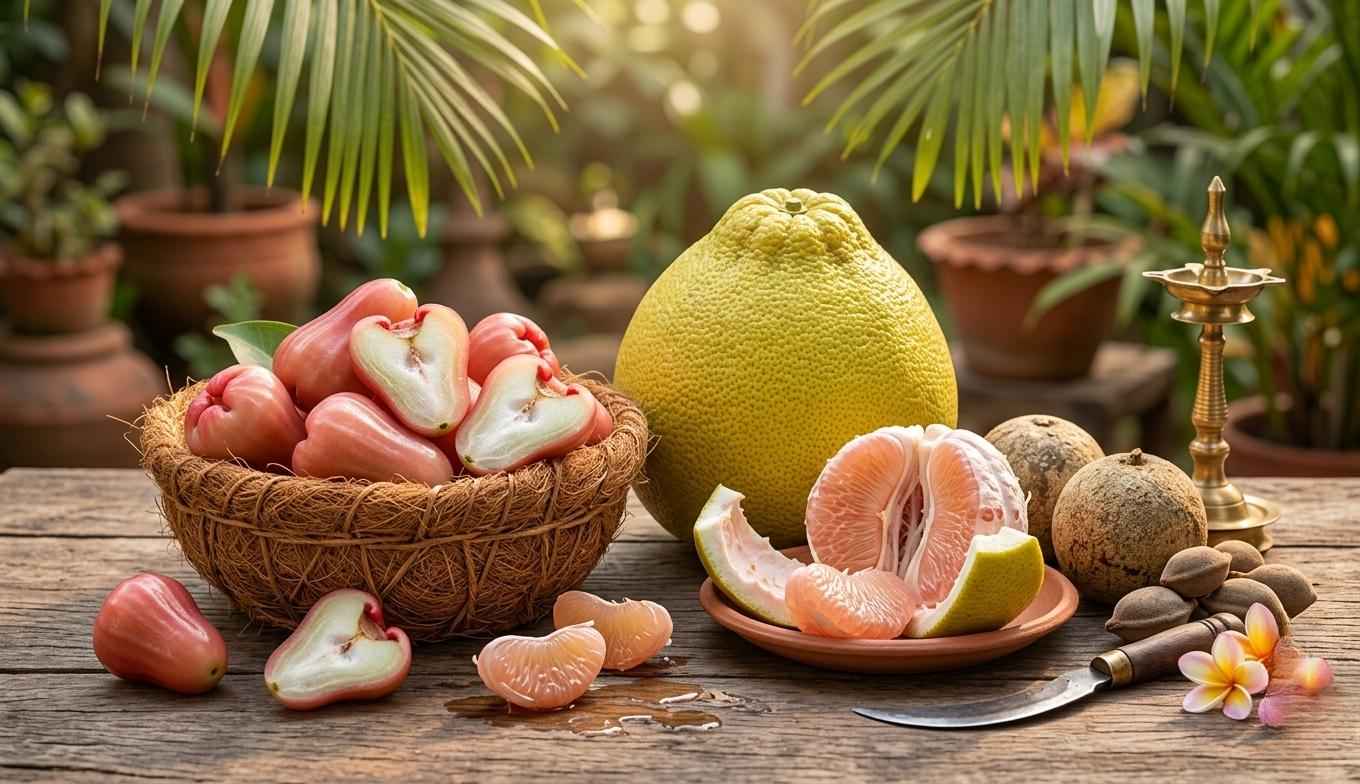
Often called 'the king of fruits' in some regions, the wood apple has a hard, woody shell that requires a good whack to open. Inside, you'll find a sticky, brown pulp that is surprisingly sour with a hint of sweetness. Don't let its appearance fool you; the wood apple is a flavor bomb! It's commonly used to make a refreshing drink, often mixed with sugar, water, and sometimes a touch of spice. The pulp is also used in jams and chutneys. Its unique tangy flavor is an acquired taste for some, but once you get it, you'll be hooked. Beyond its taste, the wood apple is renowned for its health benefits, particularly for aiding digestion and providing essential nutrients.
Gal Siyambala (Velvet Tamarind)
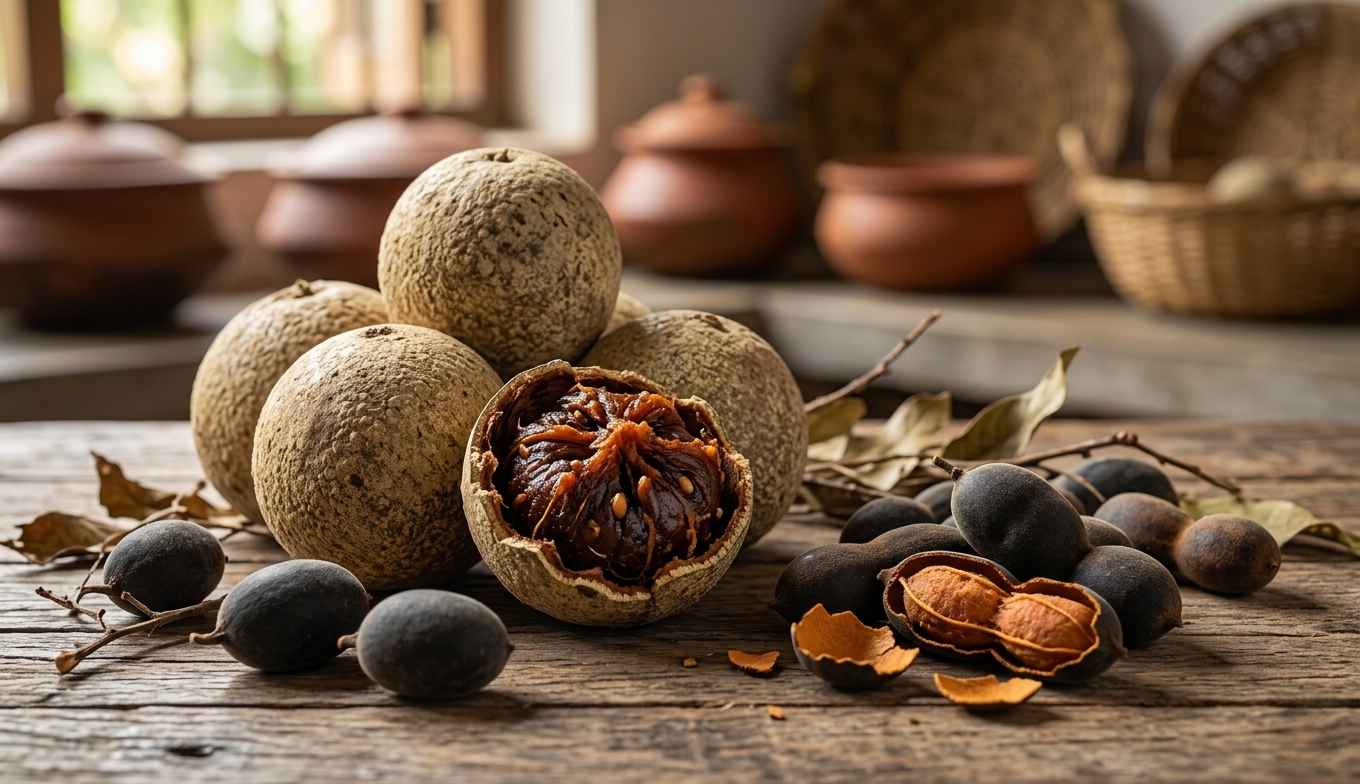
Forget the tamarind you might know; Gal Siyambala, or Velvet Tamarind, is a different beast altogether. These small, brown, pod like fruits have a fuzzy exterior, hence the 'velvet' in its name. Crack open the shell, and you'll find dark, sticky pulp surrounding small seeds. The taste is intensely sour and a little sweet, often described as a natural sour candy. It's a favorite among locals, who often snack on it directly from the pod or use it to add a tangy kick to curries and sambols. The health benefits are also considerable, with claims of it being good for the skin and possessing anti inflammatory properties.
Jambu / Rose Apple (Syzygium jambos)
The Jambu, also known as the Rose Apple due to its delicate floral aroma and bell shape, is a beautiful fruit that's as pleasing to the nose as it is to the palate. With a crisp, watery texture and a mild, sweet, rose like flavor, it's incredibly refreshing, especially on a hot Sri Lankan day. Unlike some of its more intensely flavored counterparts, the Jambu offers a subtle sweetness that makes it perfect for eating fresh or adding a light, fragrant note to fruit salads. Its high water content makes it hydrating, and it's also a good source of Vitamin C.
Pomelo / Jambola (Citrus maxima)
If you love grapefruit but find it a bit too bitter, you'll adore the Pomelo, locally known as Jambola. This is the largest citrus fruit, often boasting a thick rind and segments filled with juicy, sweet flesh. The taste is a delightful balance of sweet and slightly tart, with a refreshing, less bitter profile than grapefruit. It's perfect for snacking on, adding to salads, or juicing. The Pomelo is a great source of Vitamin C and dietary fiber, contributing to a healthy immune system and digestive health.
Red Banana / Rath kesel (Musa acuminata 'Red Dacca')
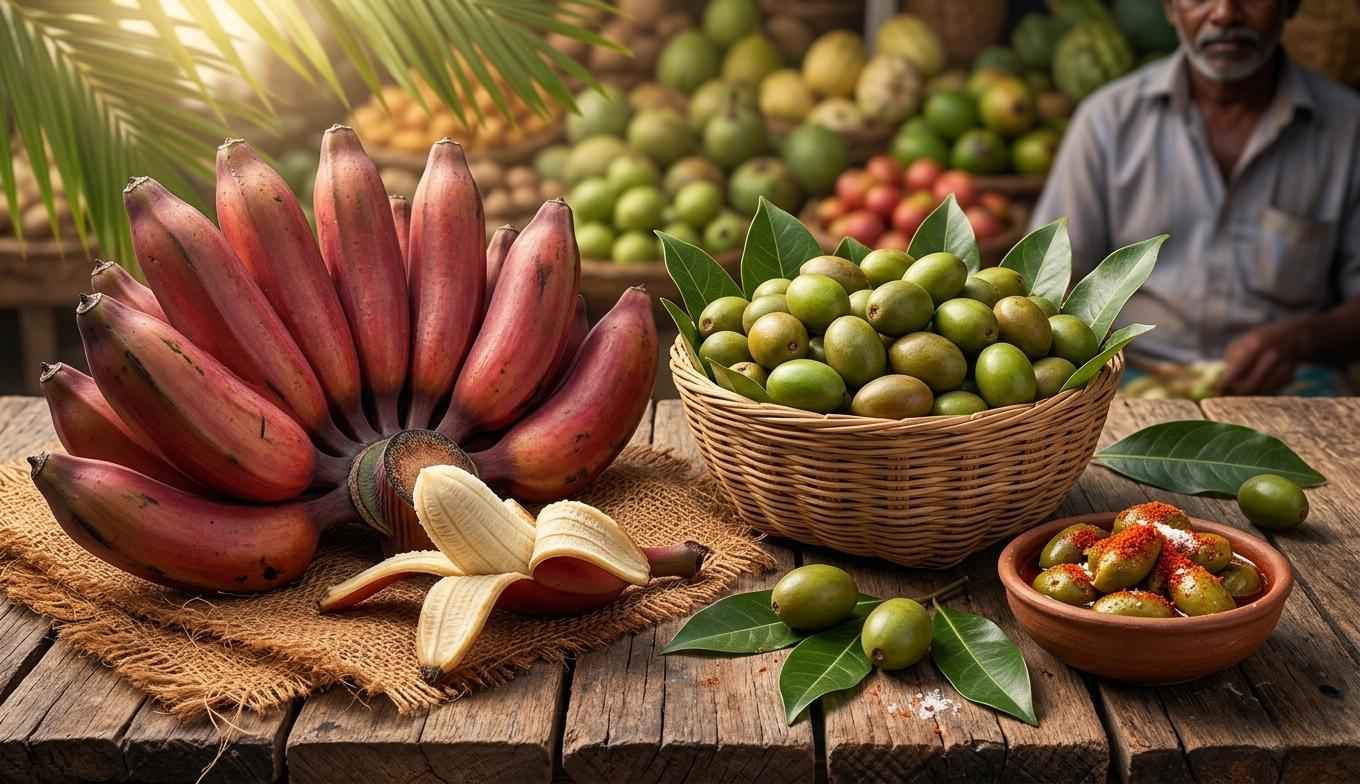
While bananas are a global staple, Sri Lanka offers a vibrant twist: the Red Banana, or Rath kesel. These bananas have a distinctive reddish purple skin and a softer, creamier texture than their yellow cousins. The flavor is sweeter, with hints of raspberry or strawberry undertones, making them a delightful treat for both kids and adults. They are perfect for eating as is, blending into smoothies, or using in desserts. Red bananas are packed with potassium, Vitamin B6, and antioxidants.
Veralu / Ceylon Olive (Elaeocarpus serratifolius)
The Veralu, or Ceylon Olive, is another fruit that offers a unique taste experience. These small, oval shaped fruits have a firm texture and can range from tart to slightly sweet, often with an astringent finish. They are commonly pickled or eaten fresh, sometimes with a sprinkle of salt and chili to enhance their flavor. The tartness makes them a fantastic addition to savory dishes or as a palate cleanser. Veralu is traditionally believed to have medicinal properties, particularly for aiding digestion and providing antioxidants.
Donga (Phyllanthus emblica)
Also known as Indian Gooseberry or Amla, Donga is a small, green, berry like fruit that packs an incredibly powerful punch of flavor and nutrition. It's renowned for its intense tartness and slightly bitter taste, but beneath that lies a wealth of health benefits. Traditionally, Donga is consumed fresh, often with a little salt or sugar to temper its strong flavor. It is a powerhouse of Vitamin C, known for its immune boosting and antioxidant properties, and is a staple in Ayurvedic medicine.
Health Benefits These Fruits
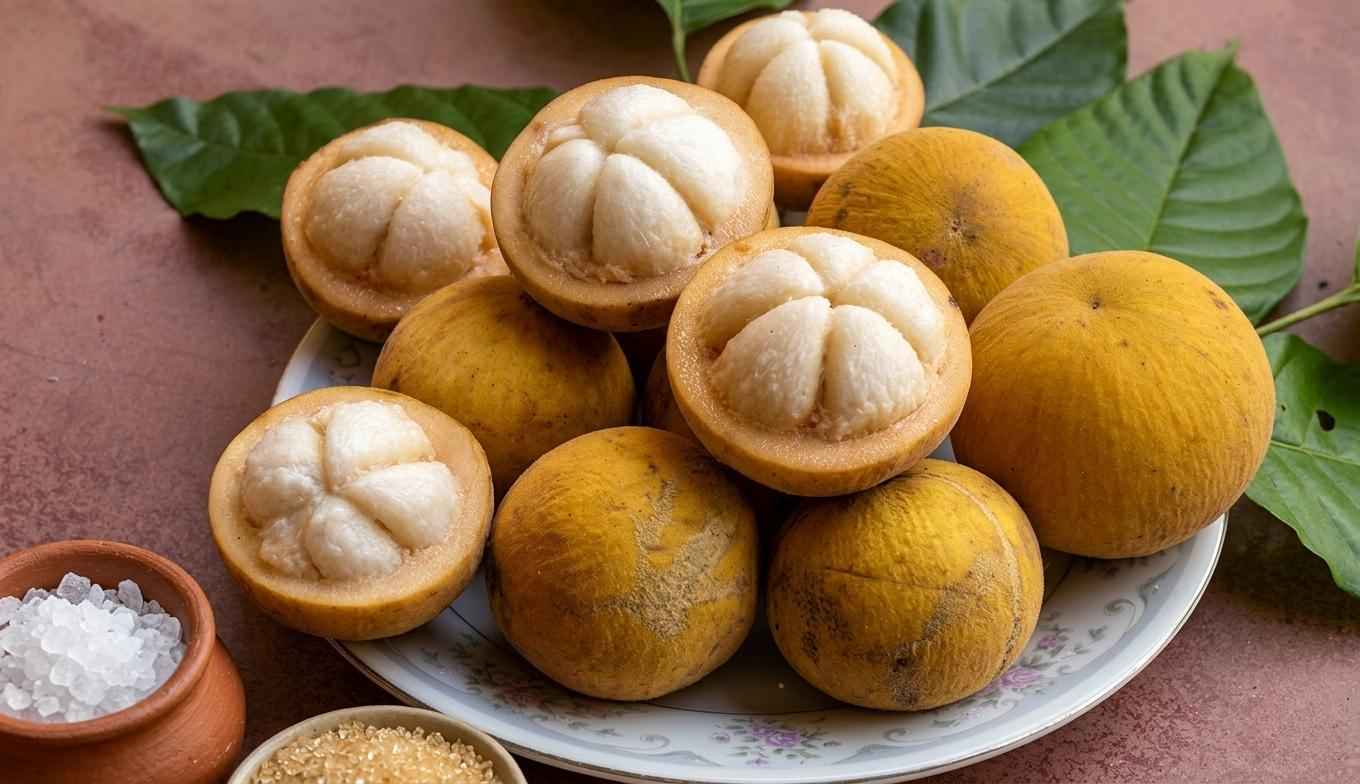
The exotic fruits of Sri Lanka are not just a treat for your taste buds; they are also nutritional powerhouses. Many of these fruits are exceptionally rich in vitamins, particularly Vitamin C, which is crucial for immune function and skin health. They also provide a good dose of dietary fiber, essential for digestive health and helping you feel full and satisfied. Antioxidants are abundant in these fruits, helping to combat free radical damage in the body and reduce the risk of chronic diseases. Furthermore, their natural sugars provide energy without the crash associated with processed sweets, making them a healthy and delicious alternative. From aiding digestion to boosting immunity and providing essential nutrients, incorporating these exotic fruits into your diet is a delicious way to enhance your overall well-being.
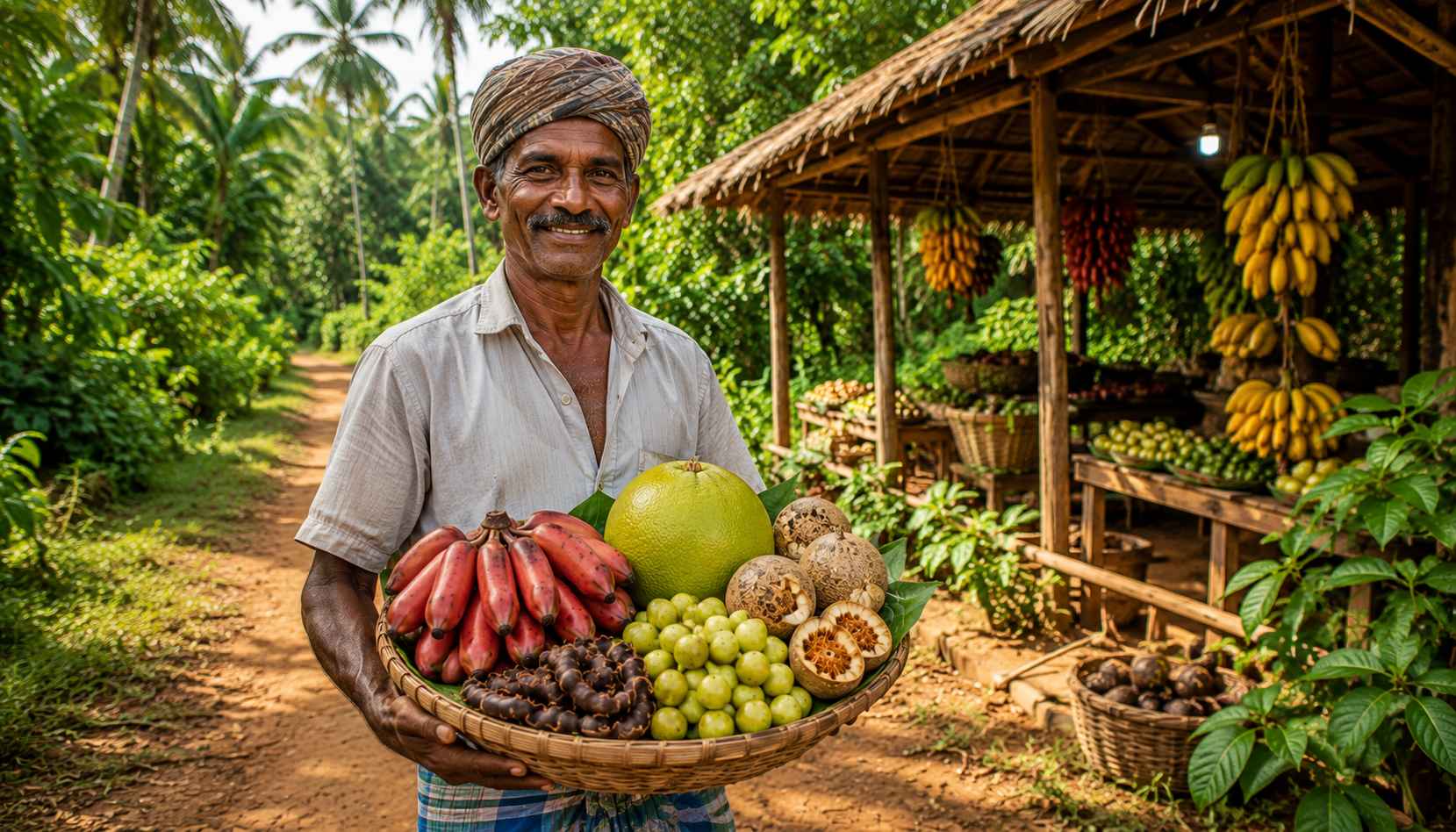
Sri Lanka's fruit landscape is a vibrant testament to its rich biodiversity and culinary heritage. From the intensely sour wood apple to the subtly sweet rose apple, each fruit offers a unique flavor profile and a glimpse into the island's natural bounty. Venturing beyond the familiar and trying these exotic delights is an adventure in itself. So, the next time you find yourself in Sri Lanka, or even if you spot these fruits in a specialty market, don't hesitate to explore. Your palate will thank you for the journey!
Most Popular









Anaya
comment1