



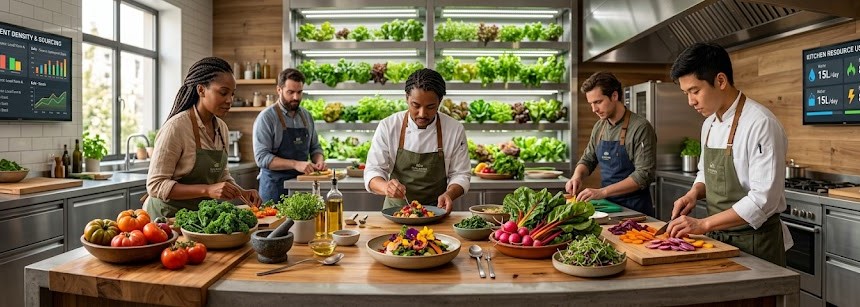
The food industry is undergoing a remarkable transformation. Driven by technological advancements, growing environmental awareness, and changing consumer preferences, a new era of dining and food production has emerged—Food 2.0. This movement represents the intersection of innovation, sustainability, and exceptional taste, redefining how food is grown, prepared, and enjoyed. From smart farming techniques to plant-based alternatives and waste-reduction initiatives, Food 2.0 is shaping a future where delicious meals and responsible practices go hand in hand.
The Rise of Food Innovation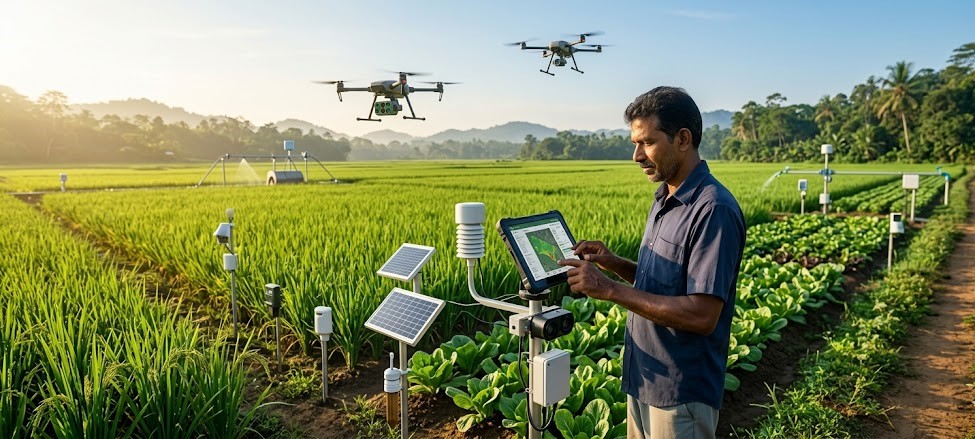
Technology is playing a crucial role in modernizing the food industry. Farmers are increasingly adopting precision agriculture, using sensors, drones, and data analytics to optimize crop yields while reducing water and fertilizer consumption. These innovations help maximize efficiency and minimize environmental impact.In restaurants and food production facilities, artificial intelligence and automation are streamlining operations. Smart kitchen equipment can monitor cooking temperatures, reduce energy usage, and improve consistency in food preparation. Meanwhile, food delivery platforms and digital ordering systems have transformed customer experiences, making quality meals more accessible than ever before.Perhaps one of the most exciting developments is the rise of alternative proteins. Plant-based meats, cultivated proteins, and innovative dairy alternatives are expanding consumer choices while reducing reliance on traditional livestock farming. These products continue to improve in taste and texture, attracting not only vegetarians but also mainstream consumers seeking sustainable options.
Sustainability at the Core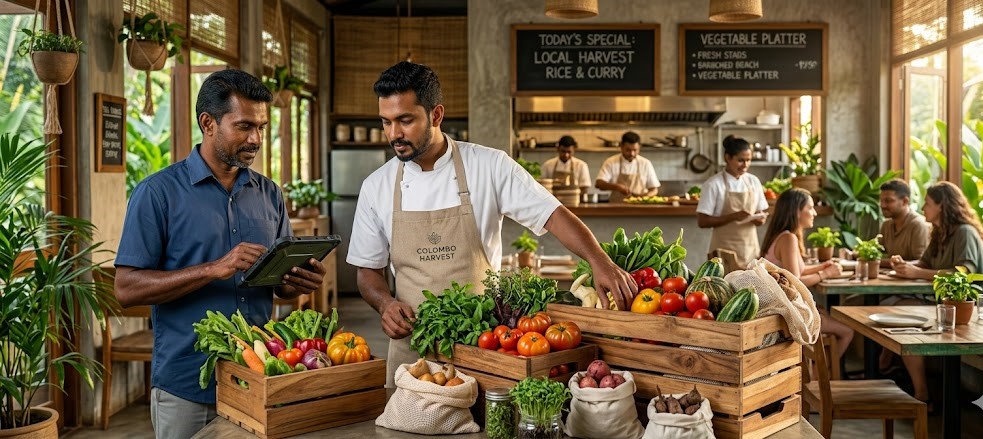
Sustainability has become a central focus of the modern food movement. Consumers are increasingly aware of the environmental impact of their dietary choices and are seeking brands that align with their values. In response, businesses across the food industry are adopting eco-friendly practices.Many restaurants now prioritize locally sourced ingredients, reducing transportation emissions while supporting regional farmers and producers. Seasonal menus have gained popularity, offering fresher ingredients and promoting sustainable agricultural cycles.Food waste reduction is another critical component of Food 2.0. Innovative businesses are finding creative ways to utilize surplus ingredients, repurpose by-products, and implement inventory management systems that minimize waste. Composting programs and recyclable packaging solutions further contribute to a more circular food economy.These efforts not only benefit the environment but also resonate with consumers who increasingly expect transparency and responsibility from food brands.
Taste Remains King
While innovation and sustainability are important, taste remains the ultimate deciding factor for consumers. The success of Food 2.0 depends on delivering memorable culinary experiences that satisfy evolving palates.Chefs are embracing global influences, experimenting with bold flavors, unique ingredients, and creative presentations. Advances in food science are enabling the development of healthier products without compromising taste. Plant-based dishes, once considered niche offerings, are now celebrated for their flavor, texture, and culinary versatility.Consumers today seek food that tells a story—whether it is locally sourced produce, ethically produced ingredients, or innovative cooking techniques. Taste, authenticity, and purpose are increasingly intertwined.
Most Popular













Anaya
comment1