



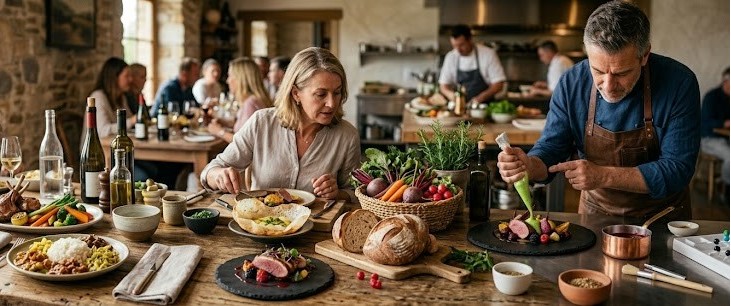
Food has always been a reflection of culture, history, and identity. Across generations, traditional recipes have been passed down as treasured family heirlooms, preserving the flavors and stories of communities around the world. Today, however, the culinary landscape is undergoing a remarkable transformation. Chefs, restaurateurs, and food innovators are embracing modern techniques and creative approaches while staying rooted in tradition. This fusion of heritage and innovation has given rise to a new food movement that is redefining how we experience cuisine.
Preserving Culinary Heritage
Traditional food represents more than just nourishment—it embodies cultural values, local ingredients, and time-honored cooking methods. Whether it is handmade pasta in Italy, street food in Southeast Asia, or slow-cooked family recipes passed through generations, these dishes connect people to their roots.As globalization introduces new flavors and influences, there is a growing appreciation for preserving authentic culinary traditions. Consumers are increasingly seeking genuine dining experiences that celebrate regional specialties, artisanal craftsmanship, and locally sourced ingredients. This renewed interest has encouraged chefs and food businesses to honor traditional recipes while finding innovative ways to present them to modern audiences.
Innovation in the Kitchen
Technology and creativity are playing a significant role in shaping the future of food. Modern cooking techniques such as sous vide, molecular gastronomy, fermentation experimentation, and precision cooking allow chefs to enhance flavors, textures, and presentation without compromising authenticity.Innovation is also evident in the way restaurants approach menu design. Traditional dishes are being reimagined with contemporary twists, introducing unexpected ingredients, healthier alternatives, and artistic plating styles. These creative adaptations help attract younger generations while keeping classic flavors relevant and exciting.At the same time, digital tools and data-driven insights are helping food businesses better understand customer preferences, optimize operations, and create personalized dining experiences.
Sustainability as a Driving Force
One of the defining characteristics of the new food movement is its commitment to sustainability. Consumers are becoming more conscious of where their food comes from and how it impacts the environment. As a result, restaurants and producers are prioritizing locally sourced ingredients, reducing food waste, and adopting eco-friendly practices.Many chefs are embracing a farm-to-table philosophy, working directly with local farmers and suppliers to ensure freshness while supporting regional economies. Traditional preservation methods such as pickling, curing, and fermentation are also experiencing a resurgence, demonstrating how historical practices can contribute to modern sustainability goals.
The Rise of Experiential Dining
Today's diners seek more than just a meal—they want an experience. Restaurants are responding by creating immersive environments that combine storytelling, culture, and innovation. Interactive menus, chef-led tasting experiences, open kitchens, and technology-enhanced dining concepts are becoming increasingly popular.By blending traditional culinary narratives with modern presentation and service techniques, establishments can offer memorable experiences that resonate with guests on a deeper level. This approach strengthens customer loyalty while showcasing the rich heritage behind every dish.
Most Popular












Anaya
comment1