



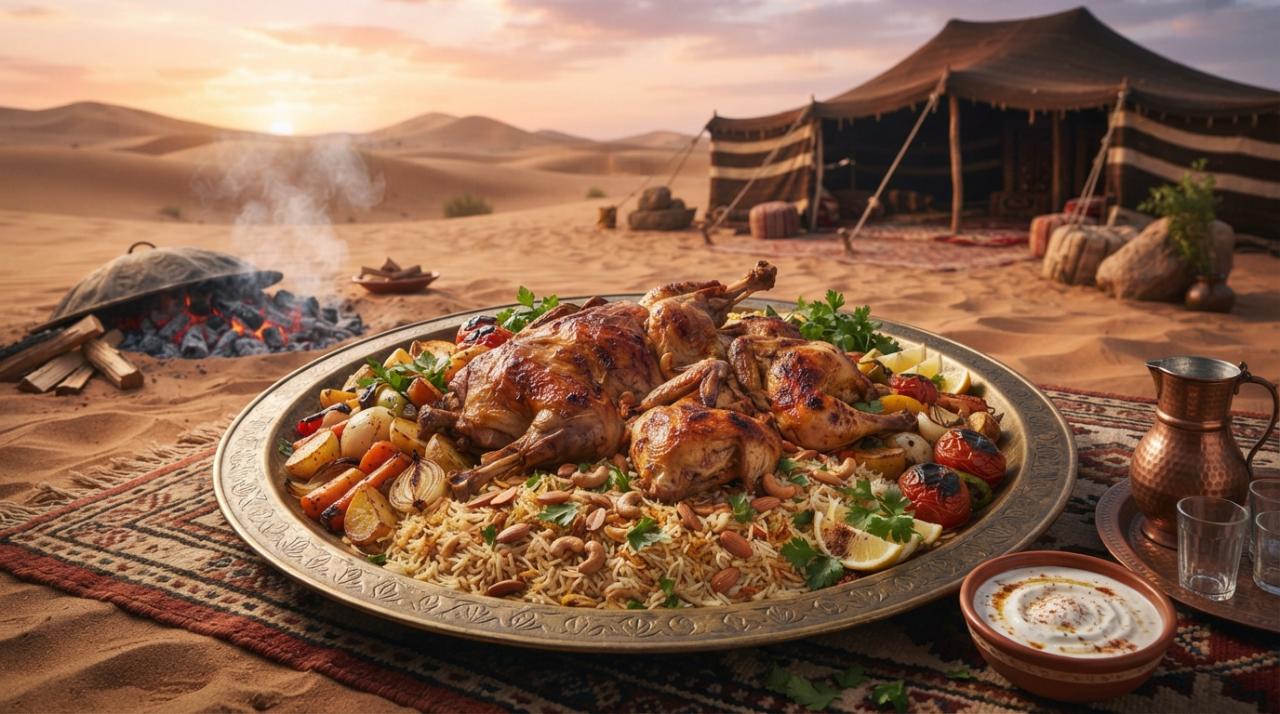
Imagine the aroma of seasoned meat, roasted vegetables, and fragrant rice rising from a traditional underground oven in the heart of the desert. This is the magic of Zarb, a traditional Bedouin cooking method celebrated for its smoky flavor, tender meat, and deep connection to Arabian hospitality.
Popular in Jordan and other parts of the Arabian Peninsula, Zarb is especially associated with Bedouin communities, where cooking over hot embers has long been a practical and flavorful way to prepare meals. Today, this remarkable culinary tradition continues to attract travelers and food lovers who want to experience authentic desert cuisine.
The good news is that you can recreate the spirit of Zarb at home, even without a desert or an underground oven.
What Is Traditional Bedouin Zarb?
Zarb is a traditional method of slow-cooking meat and vegetables in a specially prepared pit oven. The ingredients are placed on metal racks inside the oven, which is heated using hot charcoal or wood embers. The pit is then covered to retain heat and allow the food to cook slowly.
Lamb and chicken are common choices, often seasoned with aromatic spices and served alongside rice, potatoes, carrots, and other vegetables. The enclosed cooking environment helps the meat retain moisture while absorbing the rich aromas of the seasoning and smoke.
In Jordan, Zarb is closely associated with Bedouin hospitality and is often prepared for family gatherings, celebrations, and desert experiences. It is not simply a cooking technique; it is also a way of bringing people together over a generous shared meal.
Ingredients for Homemade Zarb
This home-friendly version serves approximately four people.
For the meat:
- 1 kg chicken pieces or lamb
- 3 tablespoons olive oil
- 3 garlic cloves, crushed
- 1 tablespoon lemon juice
- 1 teaspoon ground cumin
- 1 teaspoon ground coriander
- 1 teaspoon paprika
- ½ teaspoon ground turmeric
- ½ teaspoon black pepper
- Salt to taste
For the vegetables:
- 3 potatoes, cut into large pieces
- 2 carrots, cut into thick pieces
- 2 onions, quartered
- 1 bell pepper, cut into chunks
For the rice:
- 2 cups basmati rice
- 1 small onion, chopped
- 1 tablespoon oil or ghee
- ½ teaspoon ground cumin
- 3–4 cups stock or water, adjusted to the rice and cooking method
- Salt to taste
Optional additions include cinnamon, cardamom, bay leaves, and toasted almonds for serving.
Step-by-Step Guide to Making Zarb at Home
1. Prepare the marinade
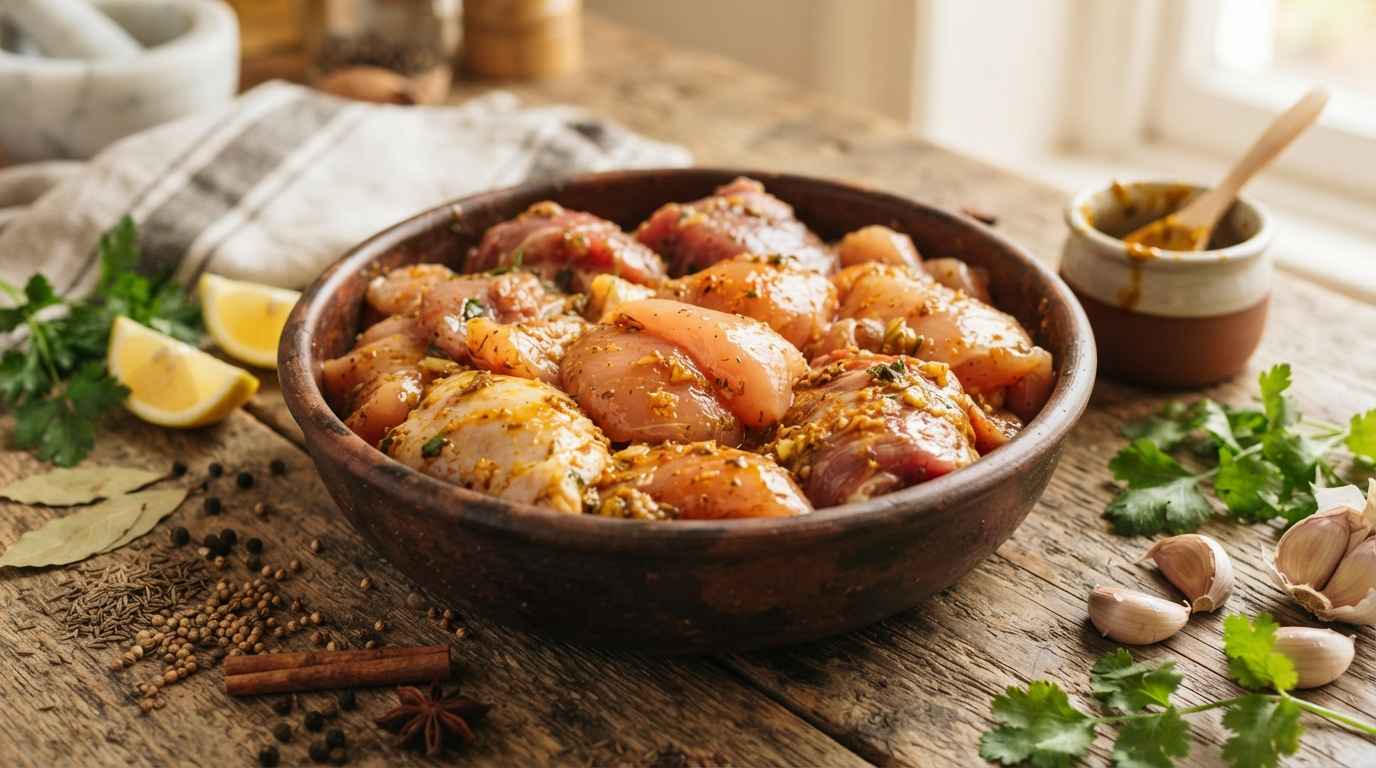
In a large bowl, combine olive oil, crushed garlic, lemon juice, cumin, coriander, paprika, turmeric, black pepper, and salt.
Add the chicken or lamb and coat it thoroughly with the mixture. Cover and refrigerate for at least one hour. For a deeper flavor, marinate it overnight in the refrigerator.
The spices create a warm, savory flavor that complements the natural taste of the meat.
2. Prepare the vegetables
Wash and cut the vegetables into large, even pieces. Toss them with a little olive oil, salt, and black pepper.
Larger pieces are useful because they hold their shape during slow cooking. Potatoes and carrots also absorb the juices released by the meat, making them especially delicious.
3. Recreate the slow-cooking method

Traditional Zarb uses a purpose-built, covered pit oven heated by embers. At home, you can approximate the slow-roasted texture using a covered roasting pan or Dutch oven.
Preheat your oven to 160–170°C (320–340°F). Arrange the vegetables in the bottom of a suitable roasting pan and place the marinated meat on a rack above them, if available. Add a small amount of water or stock to the pan, then cover tightly with a lid or foil.
Roast until the meat is tender. Chicken pieces may take approximately 1–1½ hours, depending on size, while lamb may require 2–3 hours or longer, depending on the cut. Check for doneness rather than relying on time alone. Chicken should reach 74°C (165°F) internally; lamb should reach a safe temperature appropriate to its cut and desired tenderness.
For a more traditional smoky flavor, you can finish the meat briefly under a hot grill until the surface becomes beautifully browned.
Safety tip: Do not attempt an improvised underground fire pit at home. Traditional pit cooking requires suitable equipment, proper ventilation, and careful fire management.
4. Prepare the Arabian-style rice
Rinse the basmati rice until the water is mostly clear, then drain it.
Heat oil or ghee in a saucepan. Add the chopped onion and cook until soft. Stir in the cumin and any optional whole spices.
Add the rice, salt, and the appropriate amount of stock or water. Bring to a boil, then reduce the heat, cover, and cook according to the rice instructions until tender.
Fluff gently with a fork and allow the rice to rest for a few minutes.
5. Serve the Zarb feast
Spread the fragrant rice across a large serving platter. Arrange the roasted meat and vegetables on top, spooning over some of the flavorful cooking juices.
Garnish with toasted almonds or chopped fresh herbs if desired. Serve with fresh salad, yogurt sauce, or a simple tomato and cucumber salad.
The result is a hearty meal with tender meat, fragrant rice, and roasted vegetables that bring the spirit of desert cooking to your table.
Secrets to More Flavorful Zarb
Choose the right cut of meat. Lamb shoulder and other suitable slow-cooking cuts develop excellent tenderness when cooked gently. Chicken thighs also work well because they remain moist.
Marinate thoroughly. Garlic, lemon, olive oil, and spices help build layers of flavor.
Keep the cooking environment covered. A tightly covered roasting pan retains moisture and helps the meat cook evenly.
Avoid rushing the process. Slow cooking gives tougher cuts time to become tender and allows the seasoning to develop.
Finish with high heat. A short period under the grill can add the golden-brown surface associated with traditional roasted meat.
Why Zarb Is More Than a Meal
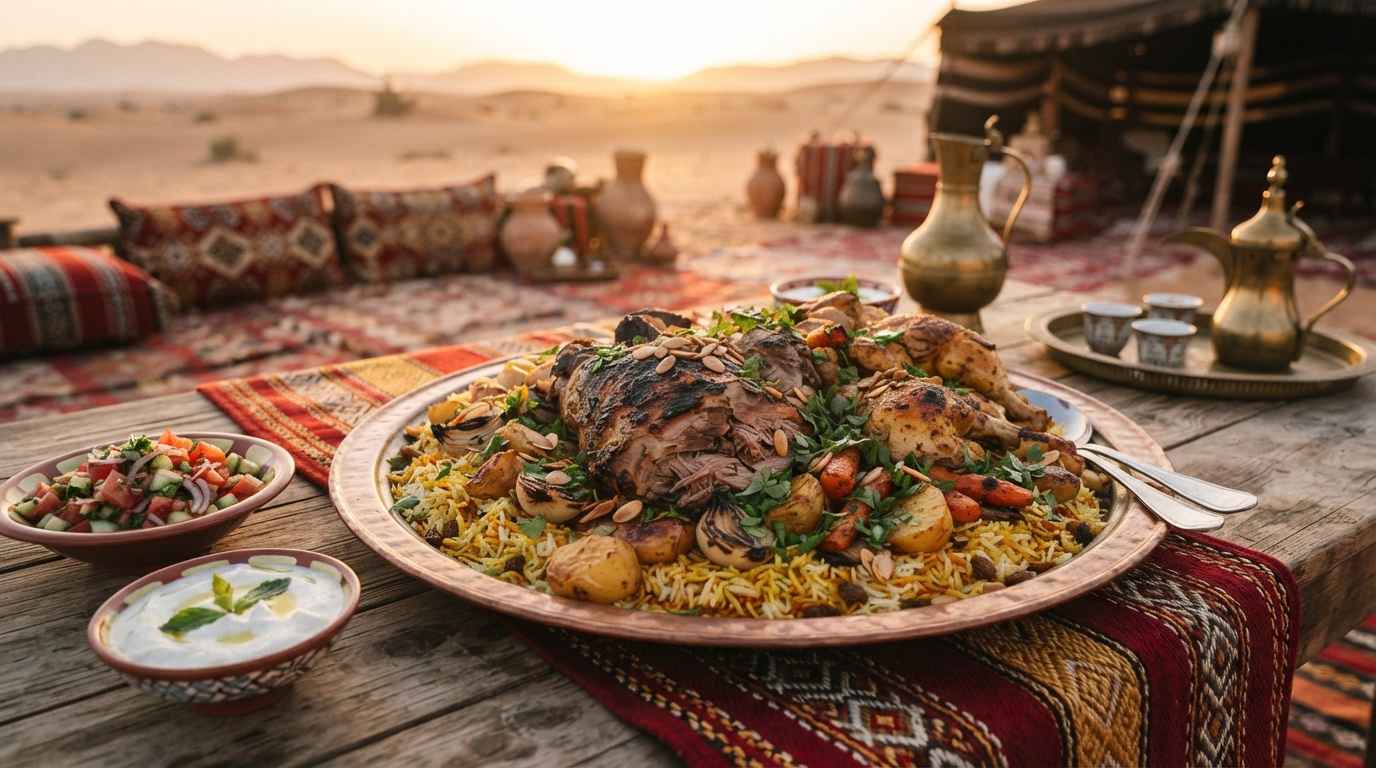
Zarb reflects the resourcefulness and hospitality of Bedouin food culture. The traditional pit oven uses retained heat to cook a generous quantity of food, making it particularly suitable for sharing. Preparing and serving the meal is often a communal experience, connecting food with family, friendship, and cultural identity.
For visitors to Jordan, tasting Zarb can be a memorable part of a desert experience. For home cooks, it offers an opportunity to explore a different style of Arabian cooking while adapting the method to a modern kitchen.
Bring the Taste of the Desert Home
Authentic Zarb is a celebration of simple ingredients transformed through time, heat, and aromatic seasoning. Tender meat, roasted vegetables, and fragrant rice come together to create a satisfying meal with a distinctive Arabian character.
Although a home oven cannot perfectly reproduce the traditional underground pit, it can capture much of the dish's comforting flavor and slow-roasted texture.
Prepare a generous platter, invite family or friends to share it, and discover the delicious tradition of Bedouin Zarb—where every meal tells a story of the desert and the hospitality of its people.
Most Popular









Anaya
comment1