



The Weather Report on Your Plate
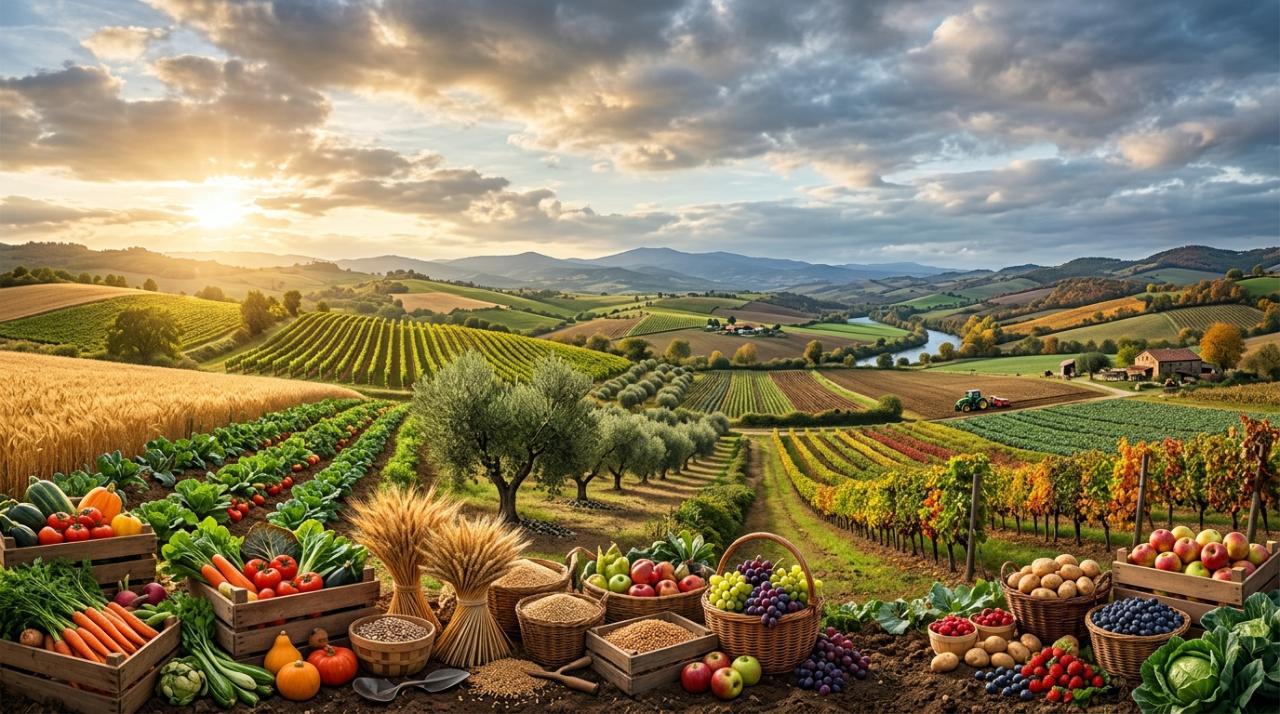
Ever stopped to think about why certain foods just *feel* right for different times of the year? Or why some regions are famous for specific dishes? It’s no accident! Our planet's climate plays a massive role in shaping what ends up on our dinner tables. From the tiniest seed to the final delicious meal, the environment around us is a constant, powerful influence.
How Growing Seasons Work
This is probably the most obvious connection. Different crops thrive in different climates. Think about it: you won't find vast pineapple plantations in Siberia or olive groves in the Arctic. The amount of sunlight, rainfall, and temperature all dictate what can be grown where and when.
Seasonal Stars
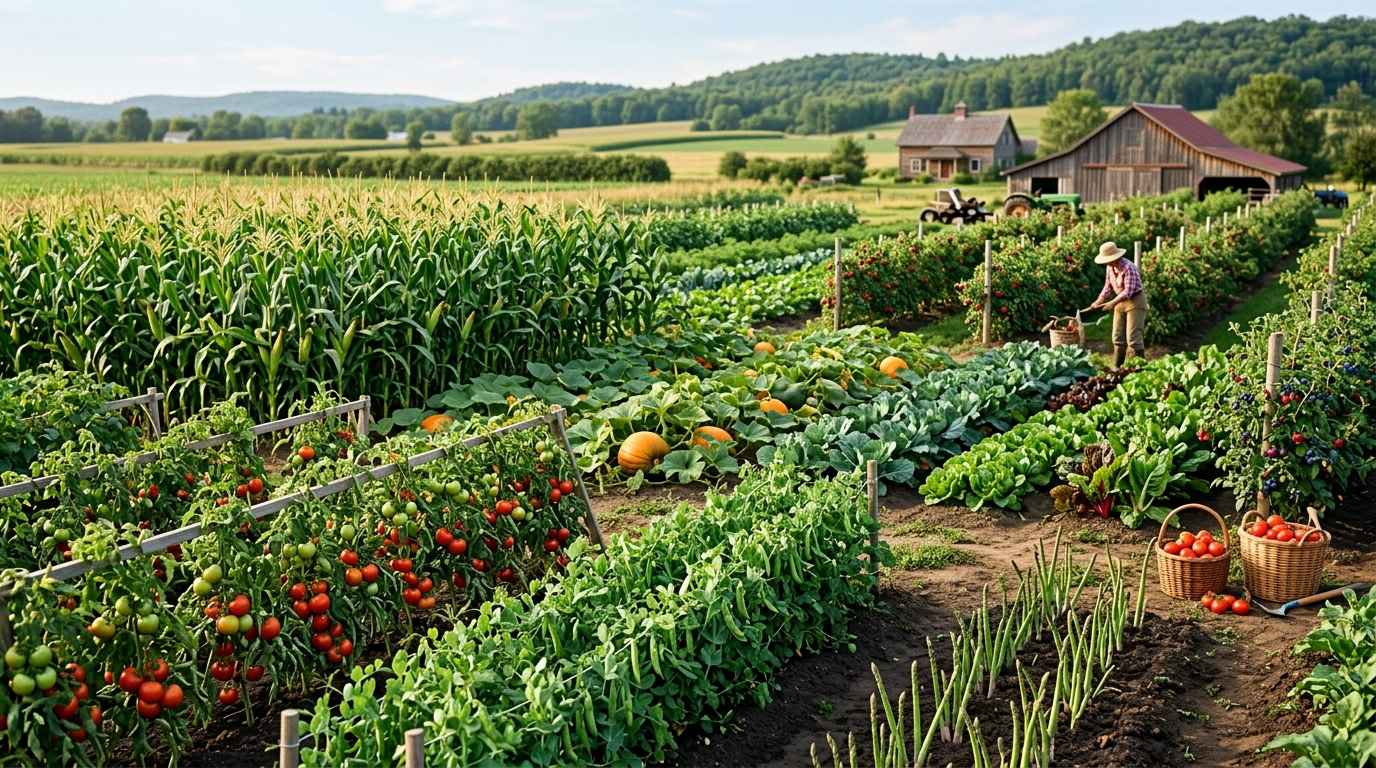
This is why we have seasons for our produce. Summer brings juicy tomatoes, sweet corn, and vibrant berries, all thanks to long, sunny days and warm temperatures. As autumn rolls in, we see root vegetables like pumpkins and squash taking center stage, enjoying the cooler weather and shorter days. Winter might mean relying on hardy greens, stored crops, or foods that are naturally preserved. And spring? It's all about the fresh shoots, asparagus, and peas, bursting with new life.
Local Delights
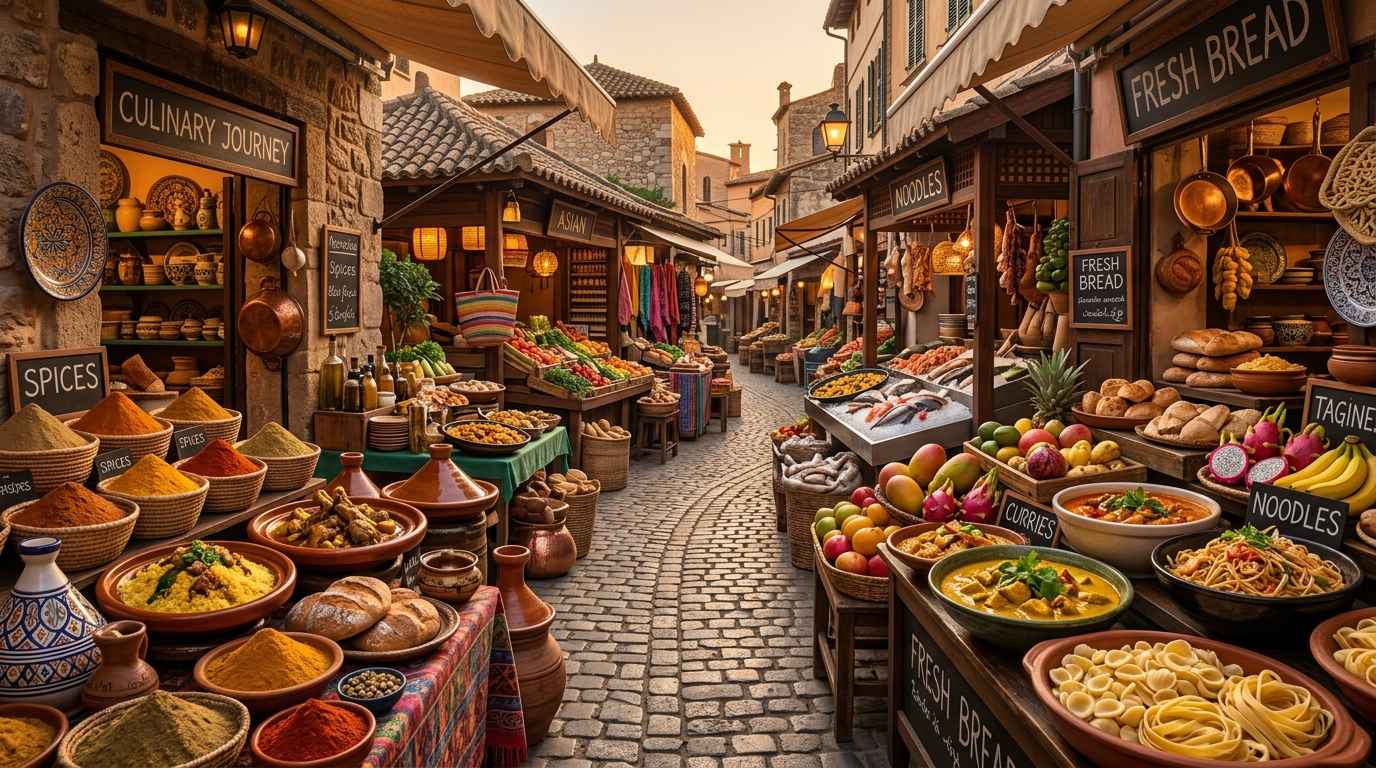
This direct link between climate and agriculture is also a huge reason why we have such distinct local cuisines. Imagine the Italian coast. The climate is perfect for growing olives and grapes, leading to a rich tradition of olive oil and wine. Or consider a mountainous region. Hardy grains and animals adapted to colder temperatures might form the backbone of their diet. These local specialties aren't just about tradition; they're a direct result of what the environment has always allowed people to cultivate and raise.
Climate's Impact on Food Availability and Choice
The influence of climate doesn't stop at the farm gate. Extreme weather events, like droughts, floods, and unseasonably cold or hot spells, can devastate crops, leading to shortages and price hikes. This can force people to rely on different, perhaps less nutritious, foods or make staple items unaffordable.
The Global Food Network
In our increasingly interconnected world, climate change in one part of the globe can ripple outwards. A severe drought in a major grain-producing country can affect food prices and availability everywhere. Similarly, changes in ocean temperatures and currents can impact fish populations, influencing seafood availability and the economies of coastal communities.

Adapting Our Diets
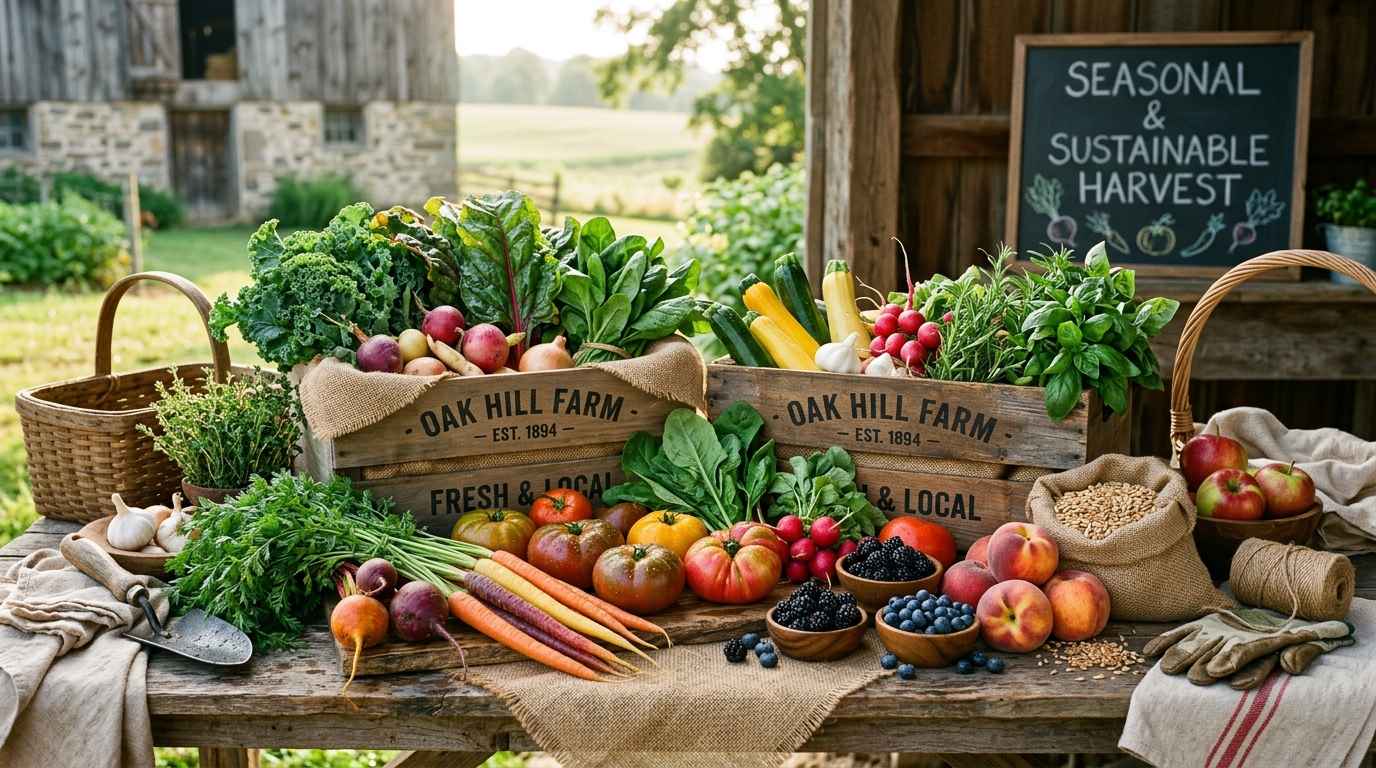
As the climate continues to shift, we're seeing a growing emphasis on adapting our food systems. This includes exploring crops that are more resilient to changing conditions, developing more sustainable farming practices, and, crucially, being mindful of the environmental footprint of our food choices. Supporting local and seasonal produce isn't just about taste; it's often about choosing foods that are grown with fewer resources and have a lower transportation impact.
A More Conscious Plate
Understanding how climate influences what we eat helps us appreciate the journey our food takes and the incredible systems that bring it to us. It encourages us to be more aware of seasonality, support local farmers, and consider the environmental impact of our dietary choices. So, the next time you enjoy a delicious meal, take a moment to thank the climate that helped make it possible!
Most Popular










Anaya
comment1