



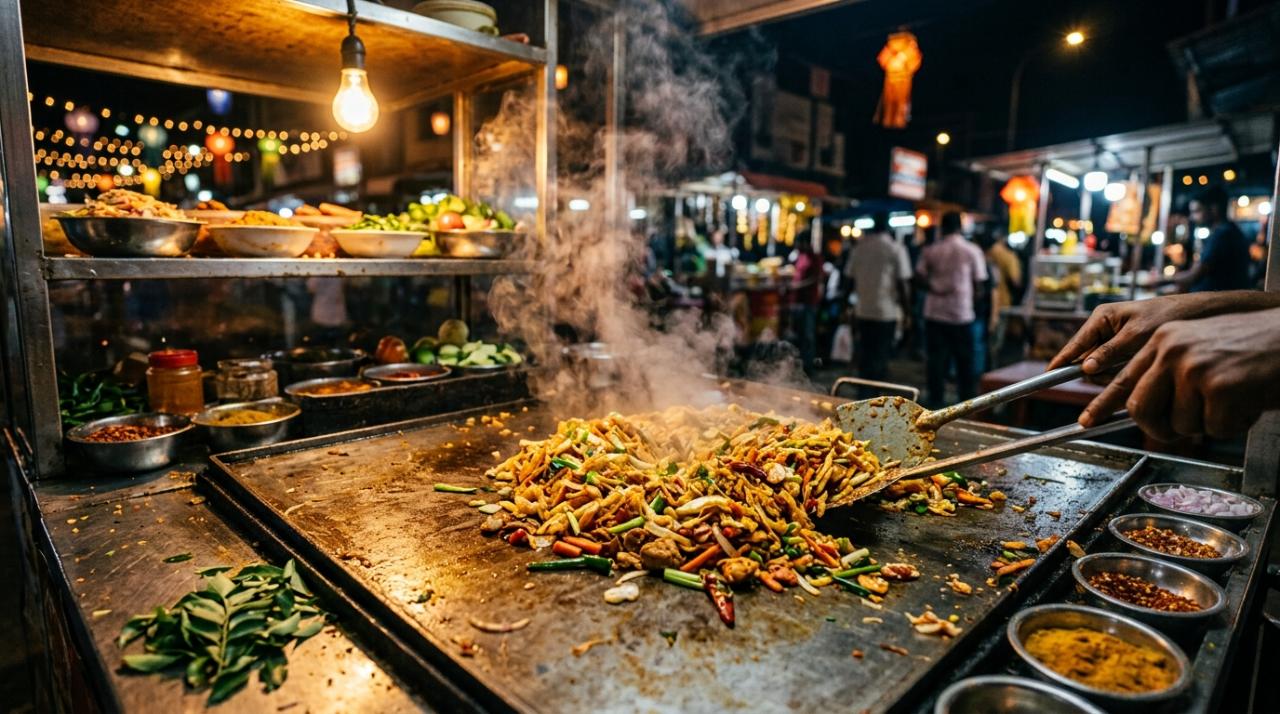
The Soul of Sri Lankan Street Food
In the vibrant tapestry of Sri Lankan cuisine, few dishes command as much affection and iconic status as Kottu. Often described as a symphony of textures and flavors, Kottu is more than just a meal; it's an experience, a street-side performance, and a true taste of the island nation's culinary heart. From the rhythmic chop of the cleavers on the grill to the aromatic steam rising from the plate, Kottu invites you on a sensory journey that is both comforting and exhilarating.
What Exactly is Kottu?
At its core, Kottu Roti, as it is more formally known, is a chopped-up roti (a type of flatbread) stir-fried with a medley of ingredients. The magic begins with the roti itself, which is often prepared fresh, thin, and slightly crispy. This roti is then meticulously chopped into small, bite sized pieces using two large metal blades, a process that produces a distinctive, almost musical, clatter. This rhythmic chopping is a hallmark of Kottu preparation and a familiar sound in Sri Lankan bustling food stalls and restaurants.
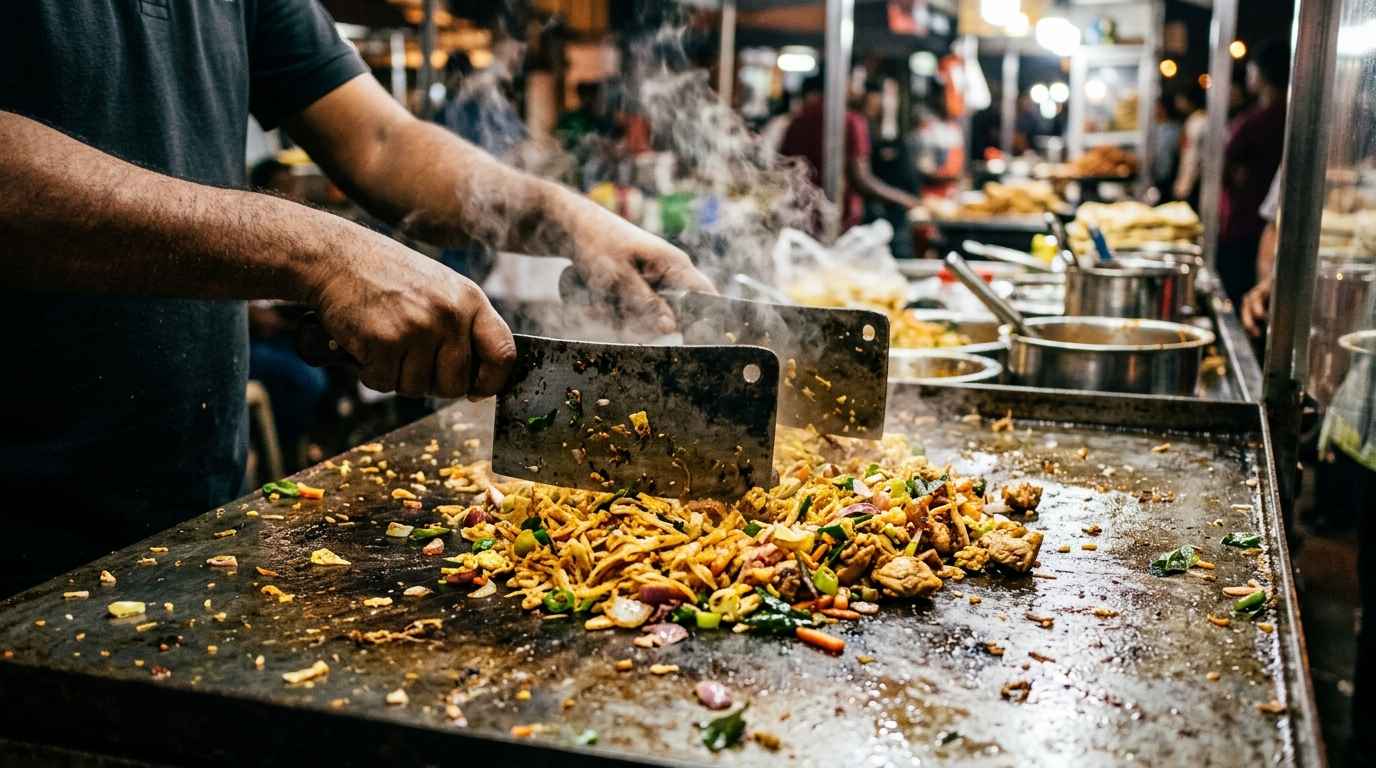
The chopped roti is then stir fried with an assortment of flavorful additions. The most common protein options include chicken, beef, or mutton, though vegetarian and vegan versions featuring vegetables and sometimes paneer are equally popular. A generous amount of onions, leeks, carrots, and bell peppers are typically added, contributing a fresh crunch and sweetness. Spices play a crucial role, with curry powder, chili flakes, turmeric, and sometimes a touch of ginger and garlic infusing the dish with warmth and depth. Finally, eggs are often scrambled directly into the mix, binding the ingredients together and adding a rich, creamy element.
A Symphony of Flavors and Textures
What makes Kottu so utterly irresistible is the masterful interplay of textures and flavors. The slightly chewy and crispy pieces of roti provide a satisfying base, while the tender meat and crisp vegetables offer contrasting bites. The spices create a complex flavor profile, ranging from mild and savory to fiery and pungent, depending on the preparation and your preference. The addition of a rich, spicy gravy or a side of sambol (a spicy condiment) further elevates the experience, allowing for customization and an extra kick of flavor.
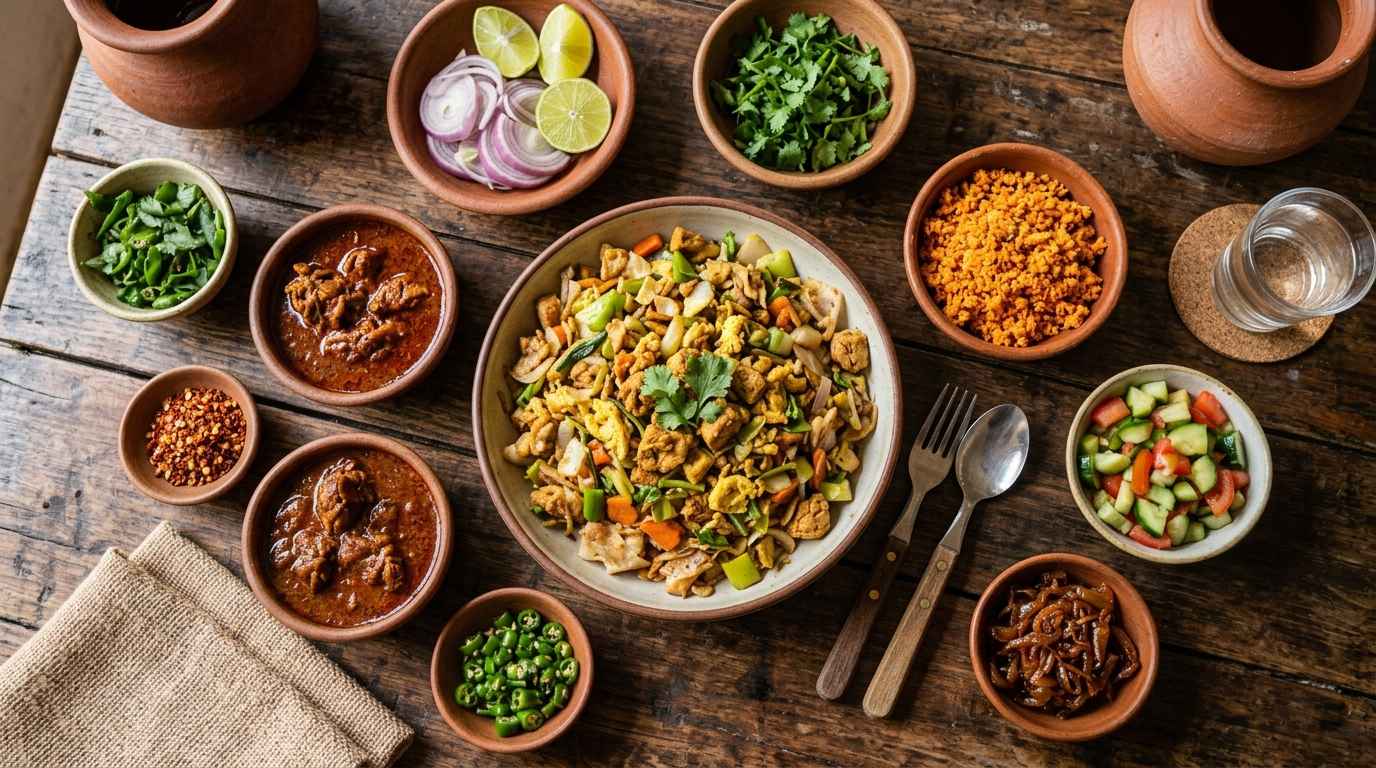
The beauty of Kottu lies in its versatility. While classic preparations are beloved, chefs and home cooks alike are constantly experimenting with variations. You might find additions like cheese, a fried egg on top, or even more exotic ingredients. This adaptability ensures that Kottu remains a dynamic and ever evolving dish, capable of satisfying a wide range of palates.
The Cultural Significance of Kottu
Kottu is deeply ingrained in the fabric of Sri Lankan life. It is a dish that transcends social strata, enjoyed by everyone from office workers grabbing a quick lunch to families gathering for a casual dinner. Its affordability and accessibility have made it a staple, and the communal experience of gathering around a Kottu stall is a cherished memory for many Sri Lankans and visitors alike. The preparation itself, often performed in open kitchens, adds to the theatricality and communal enjoyment of the meal.
For tourists, experiencing Kottu is an essential part of a culinary exploration of Sri Lanka. It offers an authentic glimpse into local food culture and a delicious introduction to the island's vibrant flavors. The sheer joy and satisfaction that comes from a well made plate of Kottu is a testament to its enduring appeal.
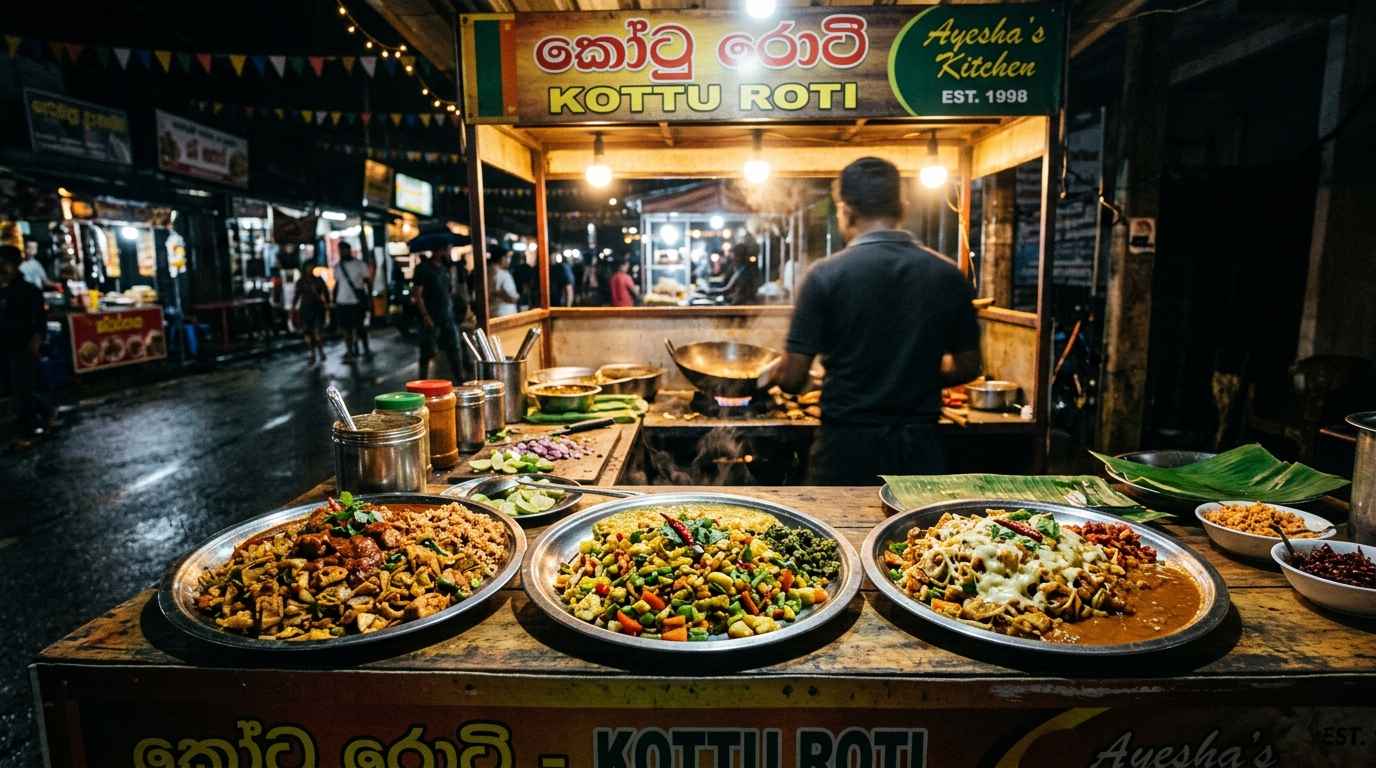
Taste of Sri Lanka to Remember
Sri Lankan Kottu is a culinary masterpiece that embodies the spirit of the island. It is a dish born from humble beginnings, transformed through skill and passion into a beloved national treasure. The next time you have the opportunity, immerse yourself in the captivating world of Kottu. Allow the rhythmic chopping, the aromatic spices, and the symphony of flavors to transport you to the heart of Sri Lankan street food culture. It's a culinary journey you won't soon forget.
Most Popular











Anaya
comment1