



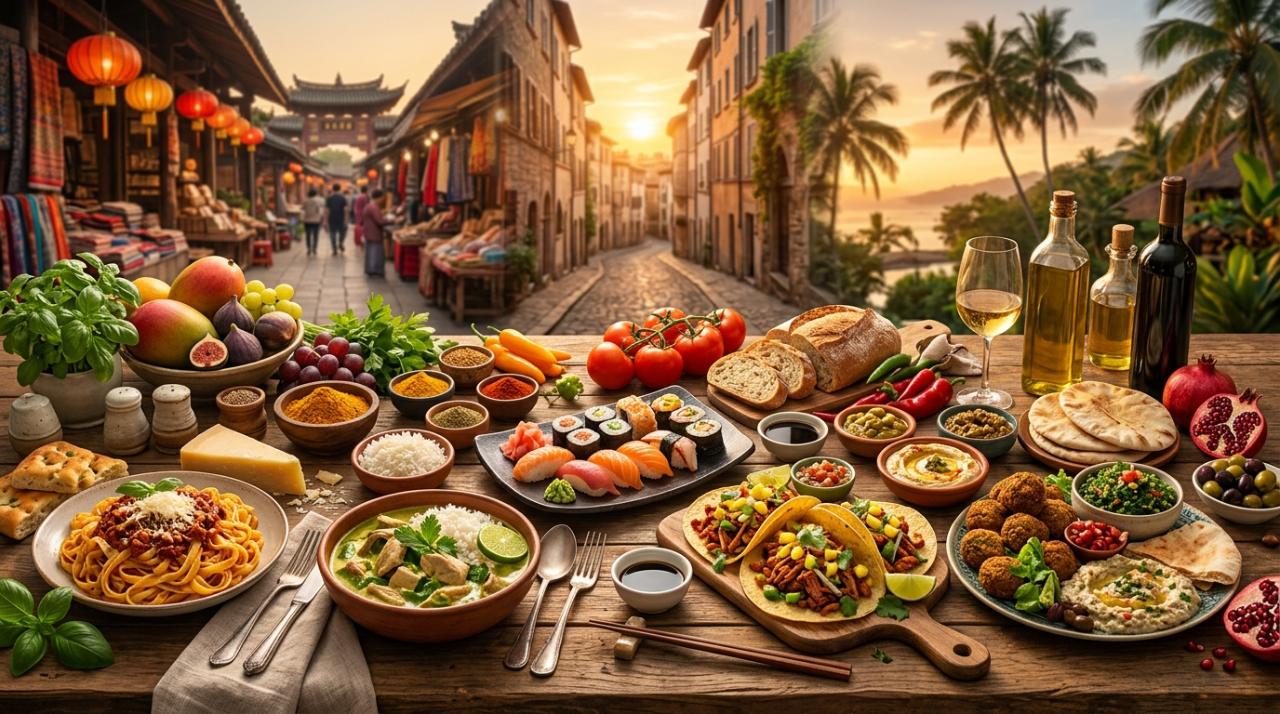
A Culinary Journey of Discovery
Think back to your last vacation. Beyond the breathtaking sights and unforgettable experiences, what truly lingers in your memory? For many of us, it's the food. Travel has a magical way of not just showing us new places, but also introducing us to new tastes, textures, and entire culinary philosophies. It’s more than just sustenance; it’s an immersion into the heart and soul of a culture. This journey of taste can profoundly alter how we view and interact with food, both when we’re far from home and when we return.
Stepping Outside the Comfort Zone
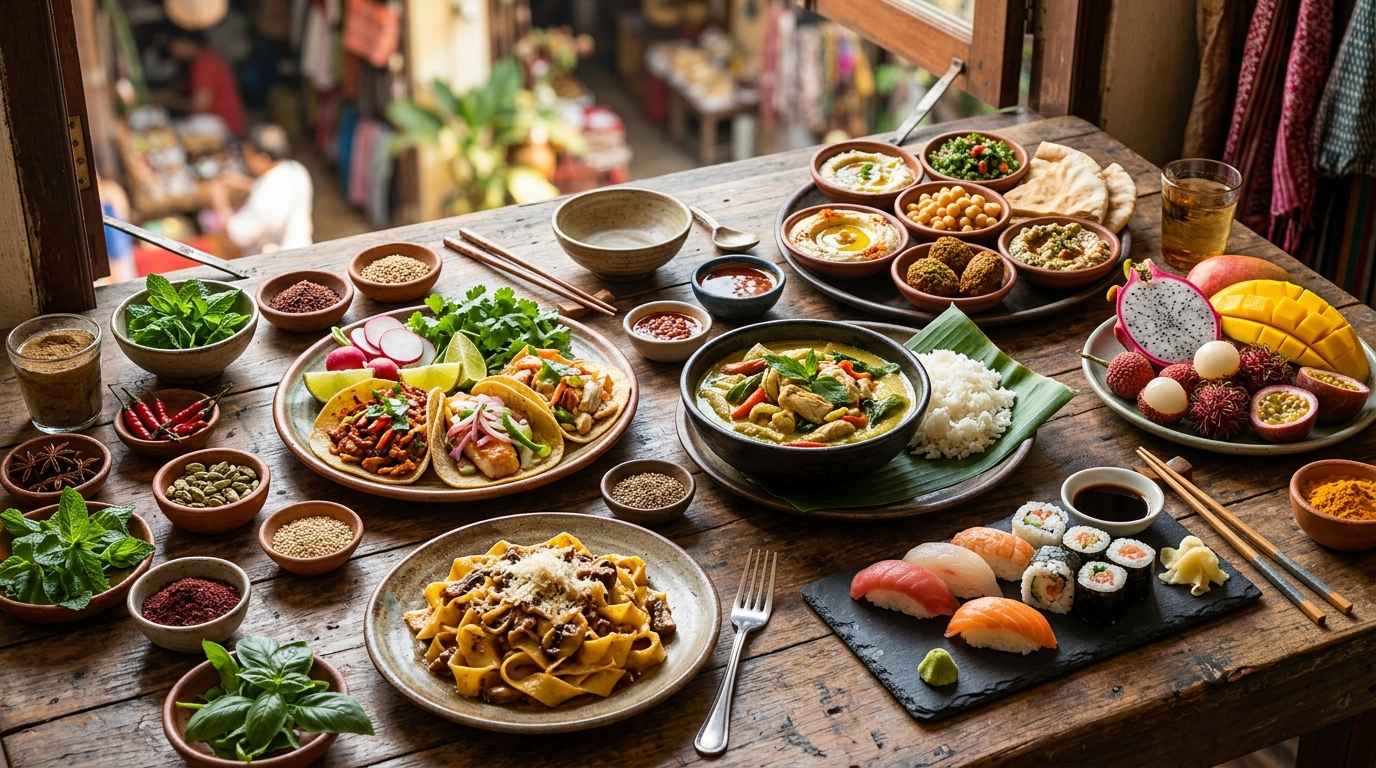
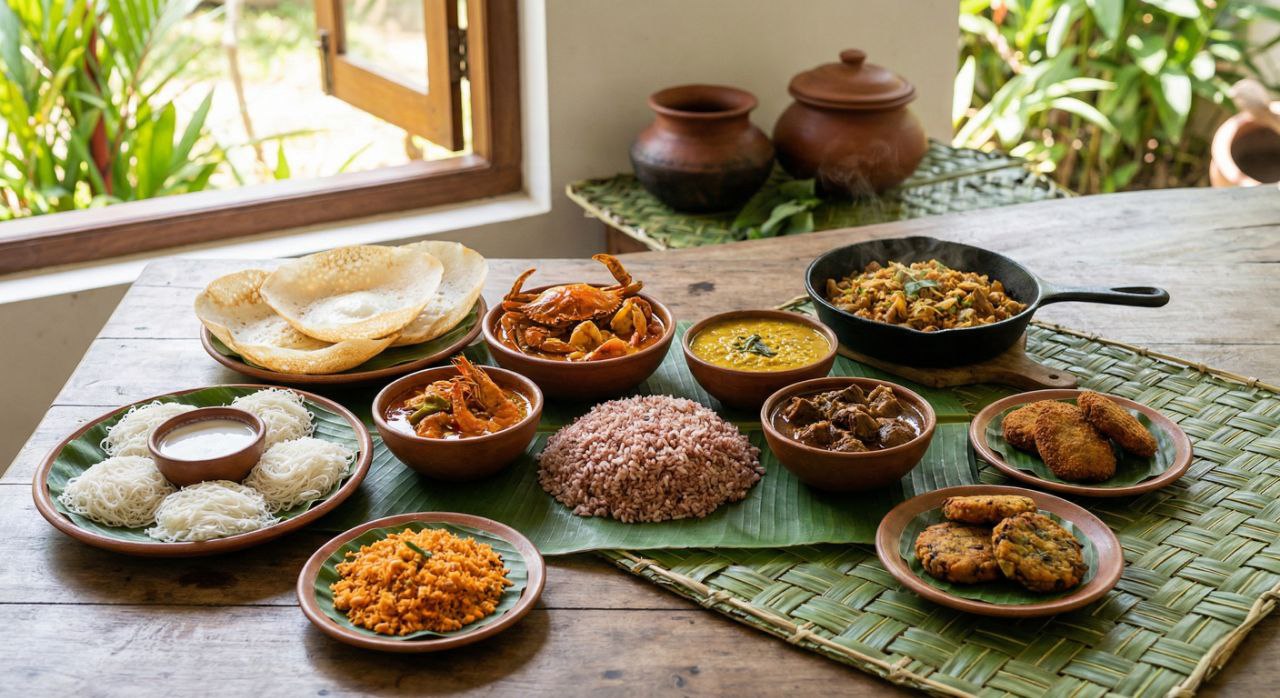
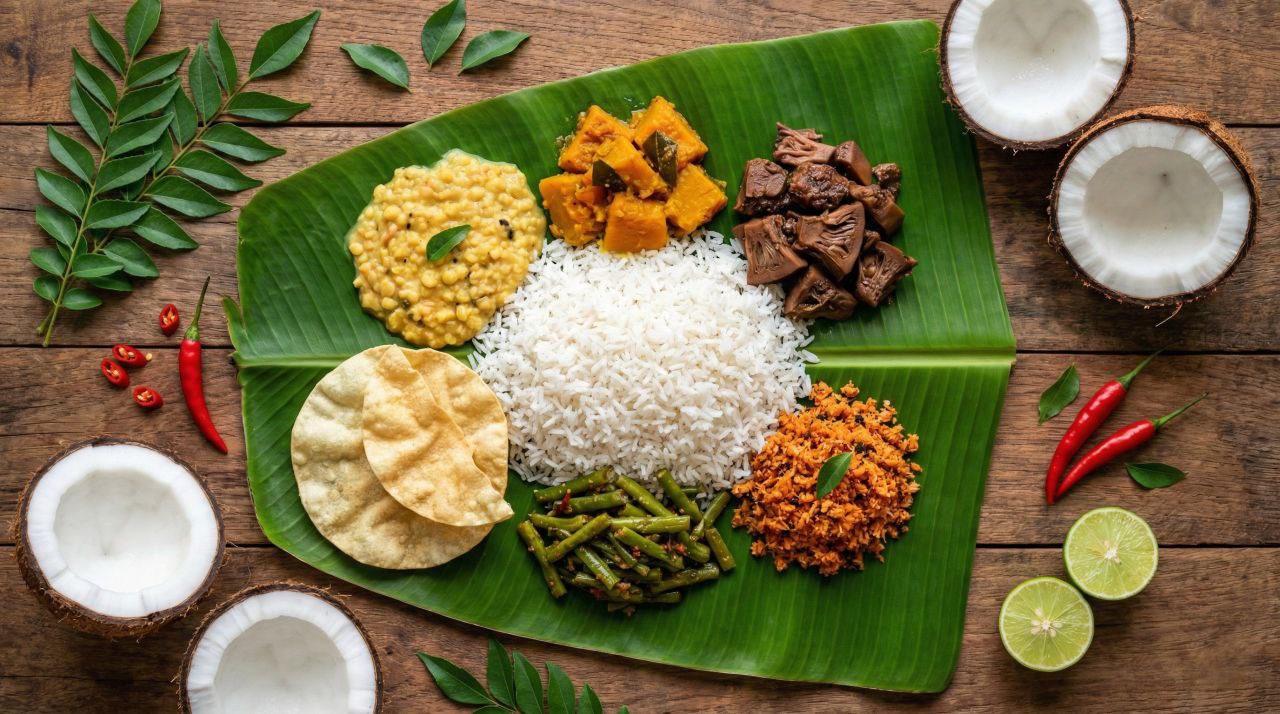
Our everyday eating habits are often shaped by familiarity and convenience. We stick to what we know, what’s readily available, and what our taste buds are accustomed to. Travel, however, throws us into a world where the familiar is replaced by the wonderfully unknown. Suddenly, that exotic fruit you’ve never seen before, the spicy street food sizzling on a roadside cart, or a complex dish with ingredients you can’t even name become part of your daily experience. This forced exploration is a powerful catalyst for expanding our palates. We learn to be more adventurous, more open to trying new things, and we discover that deliciousness exists in countless forms beyond our usual repertoire. This willingness to try new foods can trickle back into our daily lives, encouraging us to experiment with different ingredients and cuisines even at home.
Understanding the 'Why' Behind the Dish

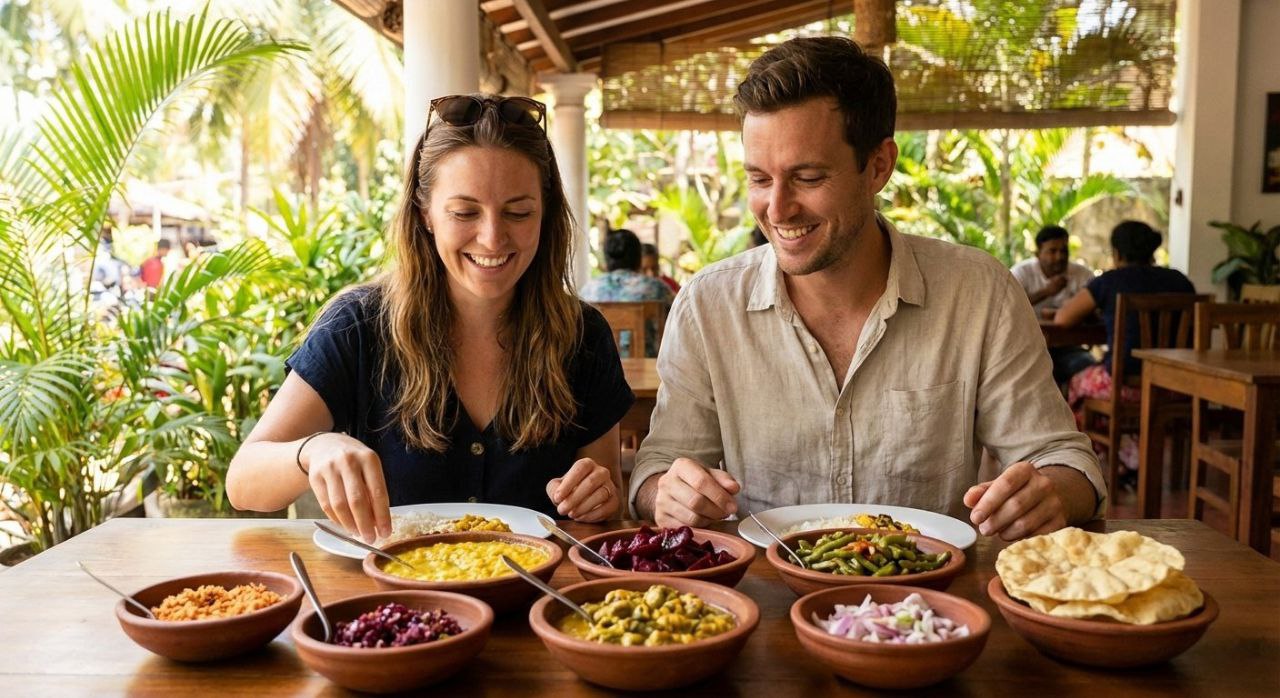
Food isn't just about taste; it's about history, tradition, and the environment. When you travel, you get a front row seat to the stories behind the food. You might learn about the ancient farming techniques used to grow local produce, the centuries-old recipes passed down through generations, or how the local climate influences the ingredients and cooking methods. Visiting a bustling market, chatting with a local chef, or even sharing a meal with a family offers a deeper understanding of the connection between food and community. You begin to appreciate the effort, the cultural significance, and the context that makes each dish special. This insight fosters a more mindful approach to eating, encouraging us to consider the origins and sustainability of our food choices long after the trip is over.
The Rise of Culinary Tourism
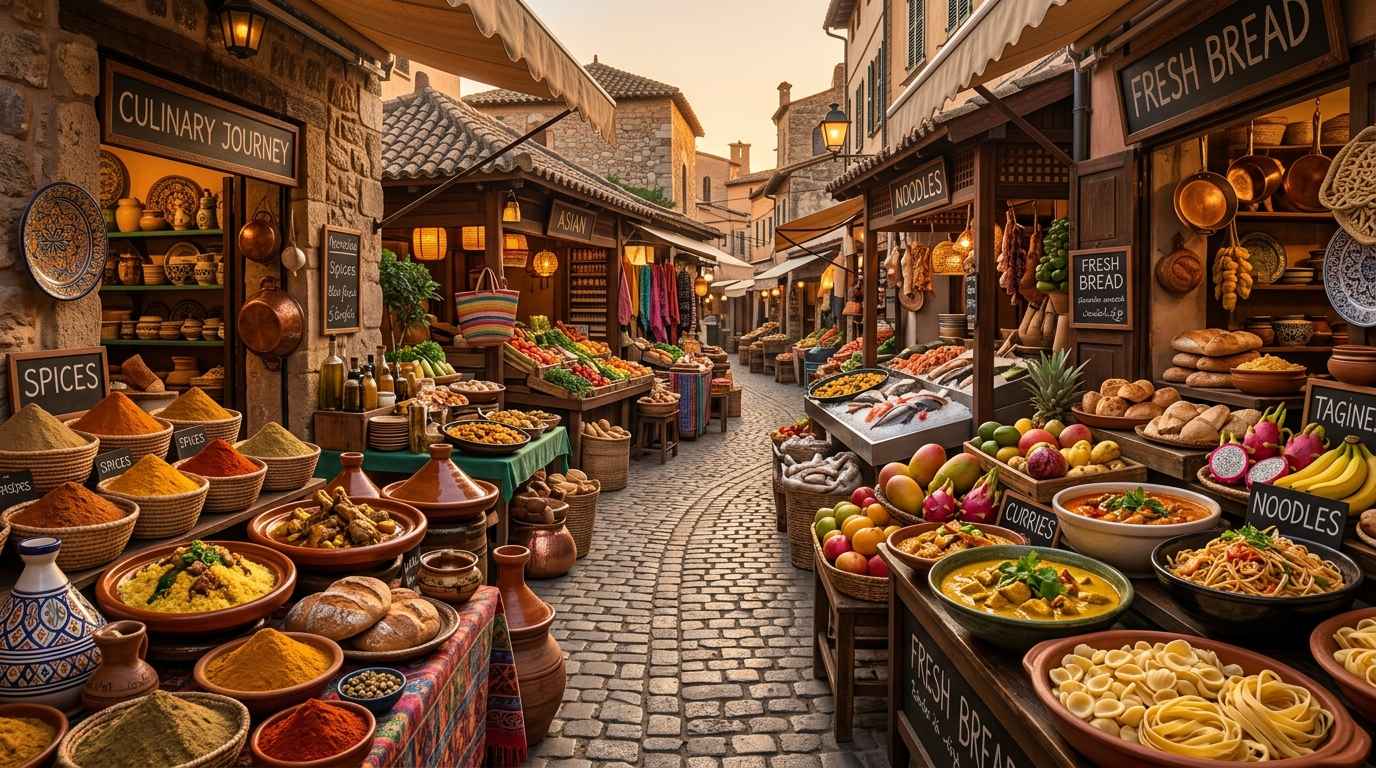
It's no surprise that culinary travel has become a major driving force for tourism. People are actively seeking out destinations renowned for their food scenes, planning entire trips around specific dining experiences, food festivals, or cooking classes. This trend highlights how much we value the opportunity to connect with a place through its cuisine. Whether it’s indulging in authentic Italian pasta in Rome, savoring spicy Thai curries in Bangkok, or exploring the vibrant tapas culture in Spain, these food focused adventures offer a unique and immersive way to experience a destination. They satisfy our curiosity and our cravings, often leading to lifelong culinary passions.
Bringing the World Back Home

The impact of travel on our eating habits doesn't end when we unpack our suitcases. The flavors, techniques, and newfound appreciation for diverse foods we gain on our journeys often inspire us to recreate those experiences in our own kitchens. We might start seeking out specialty ingredients at local ethnic markets, experiment with new recipes we discovered, or even adapt cooking methods we observed. Our grocery lists might expand, and our cooking styles can evolve. Travel transforms us from passive consumers into active explorers of global gastronomy, enriching our lives one delicious bite at a time. So, the next time you travel, embrace the culinary adventure – your taste buds will thank you, and you might just find yourself eating a little differently (and more excitingly!) when you get back.
Most Popular









Anaya
comment1