



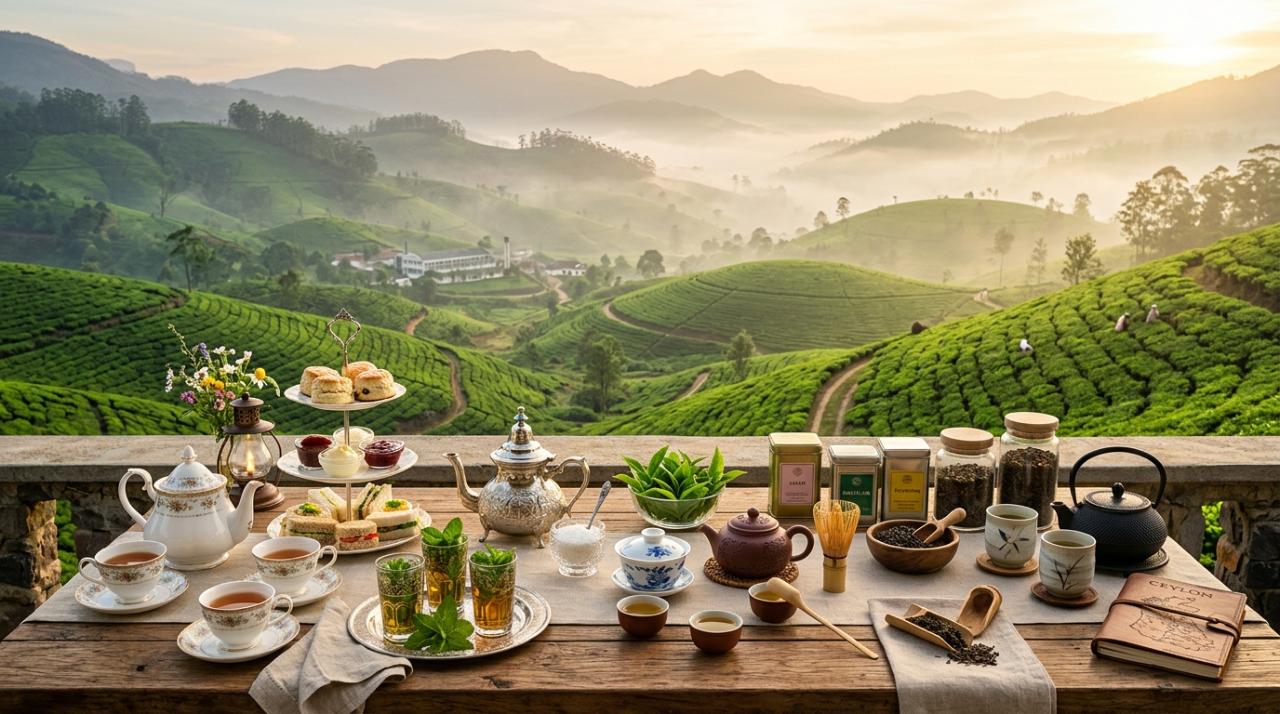
When you think of a warm, comforting beverage, chances are tea springs to mind. But tea is so much more than just a drink. Across the globe, tea culture is deeply woven into the fabric of societies, influencing traditions, fostering social connections, and even shaping landscapes. From the bustling tea houses of Asia to the serene tea ceremonies of Japan, each sip tells a story of history, ritual, and shared experience. Today, we're going to explore the fascinating world of tea culture, looking beyond the simple act of brewing and into the rich tapestry of traditions and experiences it encompasses, with a special nod to the vibrant tea heritage of Sri Lanka.
A World of Tea Traditions
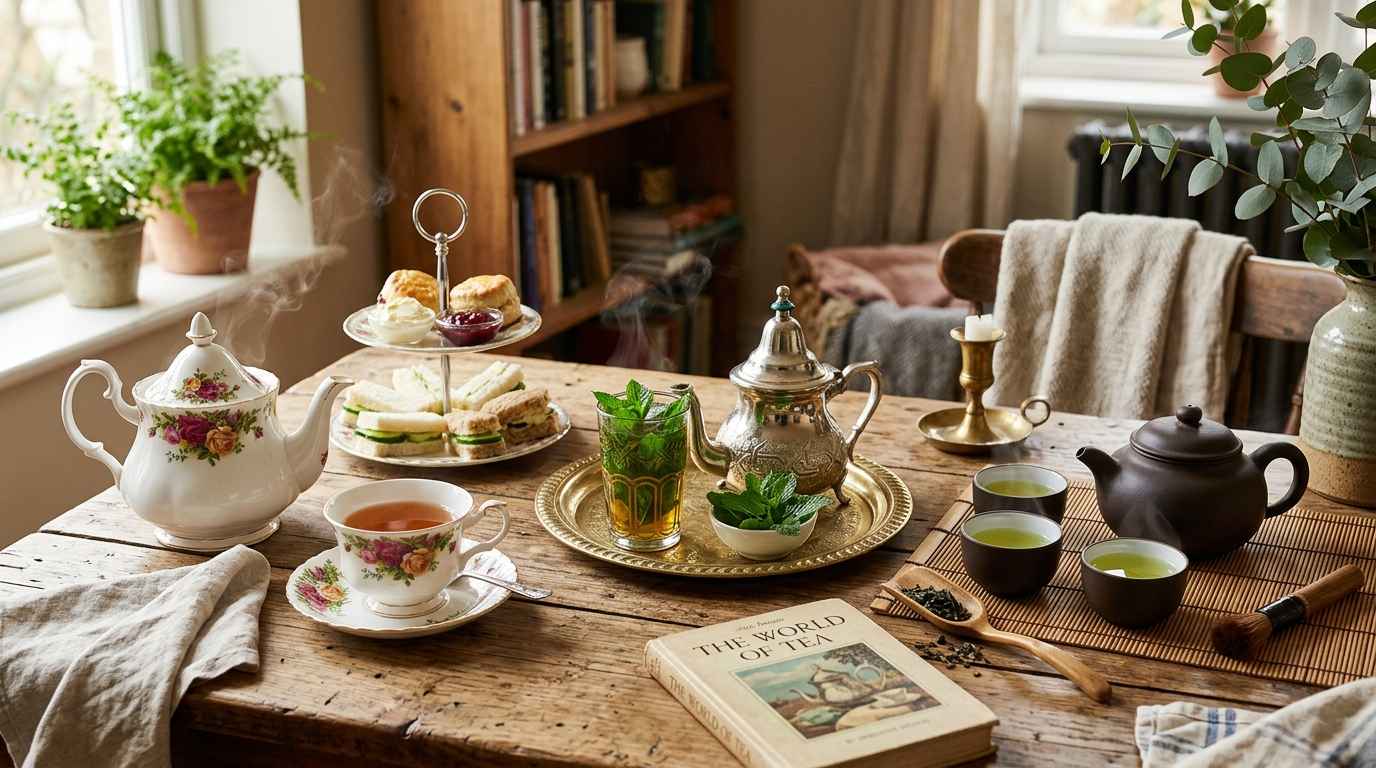
Tea's journey from a medicinal brew in ancient China to a global phenomenon is a testament to its versatility and the human desire for connection. Different cultures have embraced tea in unique ways, developing intricate rituals and social customs. In Britain, the afternoon tea is a beloved tradition, a chance to pause, socialize, and indulge in delicate sandwiches and pastries. In Morocco, mint tea is a symbol of hospitality, served with gusto and sweet, fragrant flavors. These traditions aren't just about the taste; they're about the atmosphere, the company, and the mindful act of preparing and sharing tea.
A Legacy in Every Leaf
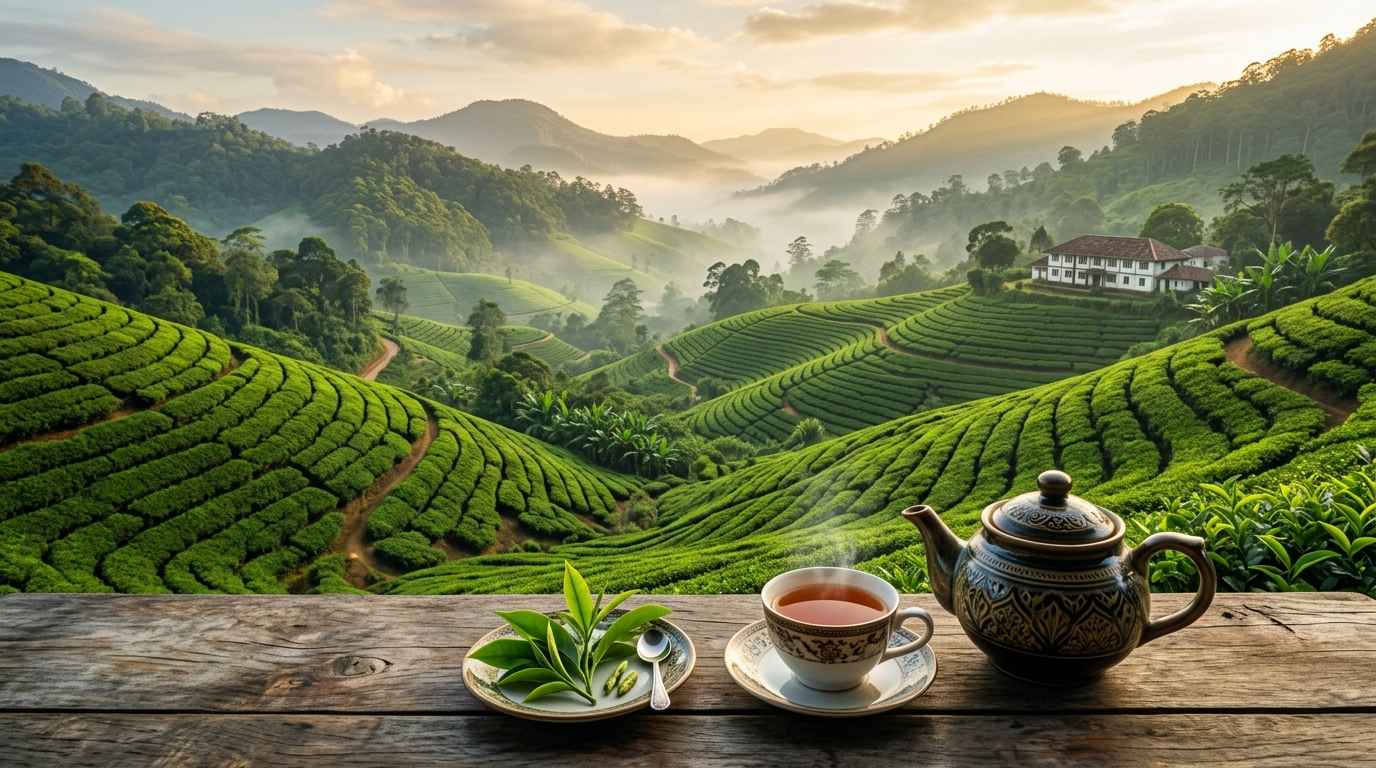
When we talk about exceptional tea, Sri Lanka, formerly known as Ceylon, stands tall. Sri Lankan tea culture is a vibrant and integral part of the island's identity. Famous for its high-quality Ceylon tea, the country boasts lush tea plantations that cascade down rolling hills, creating breathtaking vistas. The art of tea cultivation and production here is a legacy passed down through generations, focusing on meticulous care from plucking to processing. This dedication to quality is what makes Sri Lankan tea so renowned worldwide.
The experience of tea tourism in Sri Lanka offers an immersive dive into this rich heritage. Imagine visiting a tea estate, learning about the intricate process of tea making, and then savoring a freshly brewed cup while overlooking panoramic views. It’s an opportunity to connect with the land and the people who cultivate this cherished beverage. The various regions of Sri Lanka produce distinctively flavored teas, from the brisk, bright notes of Nuwara Eliya to the richer, bolder profiles of Uva and Dimbula. Understanding these nuances adds another layer to appreciating Sri Lankan tea culture.
The Social and Spiritual Dimensions of Tea
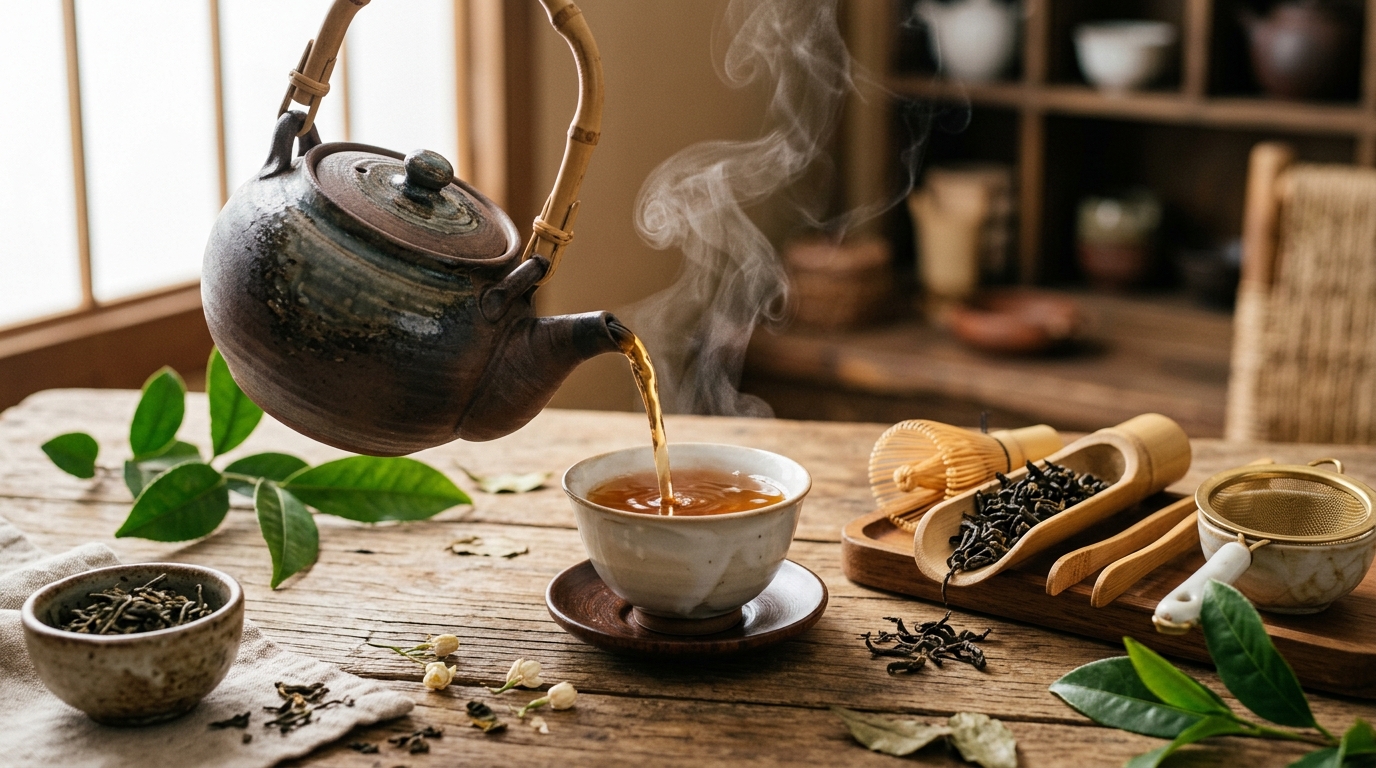
Beyond its geographical origins and tasting notes, tea plays a profound social and sometimes spiritual role. It's often the centerpiece of gatherings, facilitating conversations and strengthening bonds. In many Asian cultures, serving tea is an act of respect and a way to welcome guests. The quiet contemplation that can accompany a cup of tea also lends itself to mindfulness and reflection. The simple act of steeping leaves in hot water can be a moment of calm in a busy day, a personal ritual that grounds and rejuvenates.
The way tea is prepared and served can also be steeped in tradition. From the precise measurements and movements in a Japanese tea ceremony (Chanoyu) to the elaborate samovars used in Russia, each method reflects a cultural value. These practices transform the act of drinking tea into a performance, an art form, and a shared experience that transcends language.
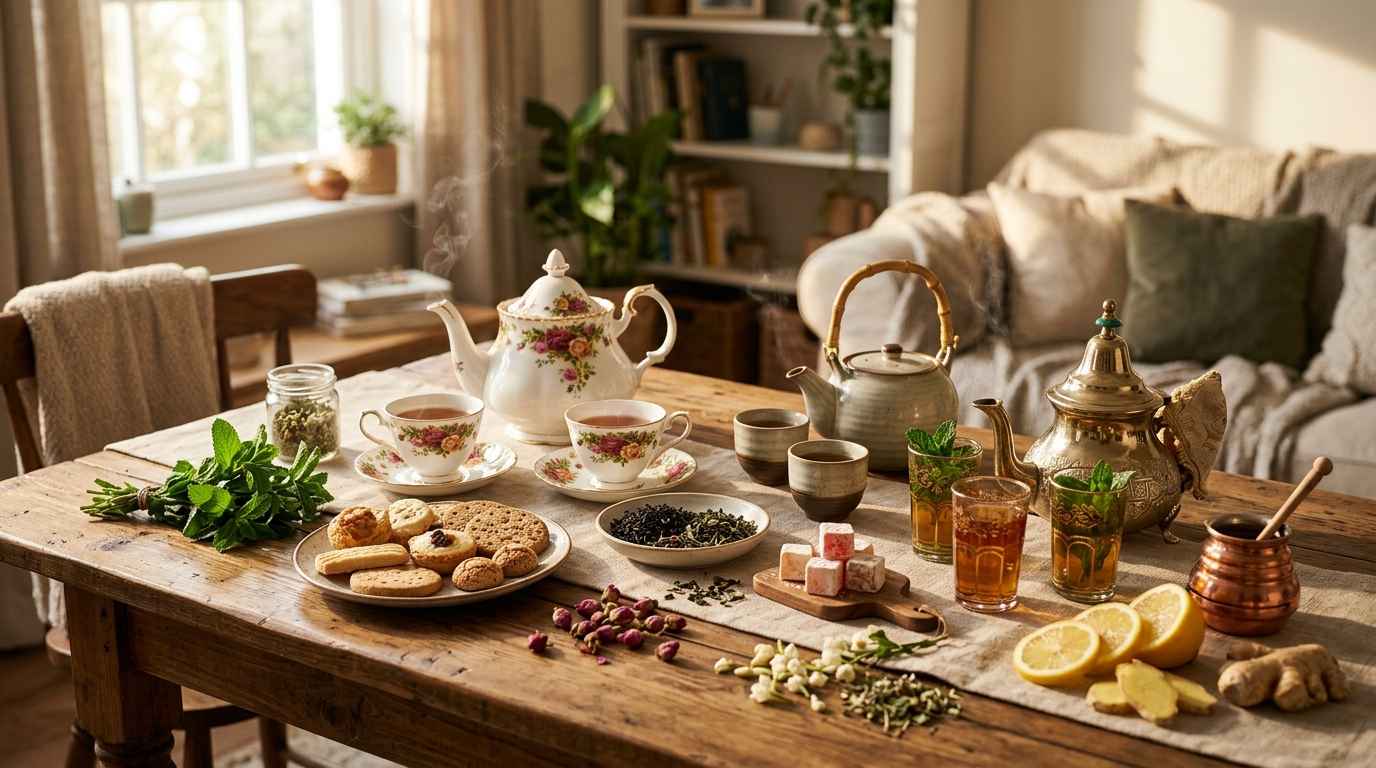
Tea culture is a global phenomenon, a testament to how a simple plant can inspire such diverse and meaningful traditions. Whether it's the formal elegance of a British afternoon tea, the warm hospitality of Moroccan mint tea, or the world-renowned quality of Ceylon tea from Sri Lanka, each culture offers a unique perspective on this beloved beverage. So, the next time you reach for a cup of tea, take a moment to appreciate the rich history, the intricate traditions, and the countless stories that are brewed into every single sip. It truly is more than just a cup; it's a connection to a global heritage.
Most Popular







Anaya
comment1