



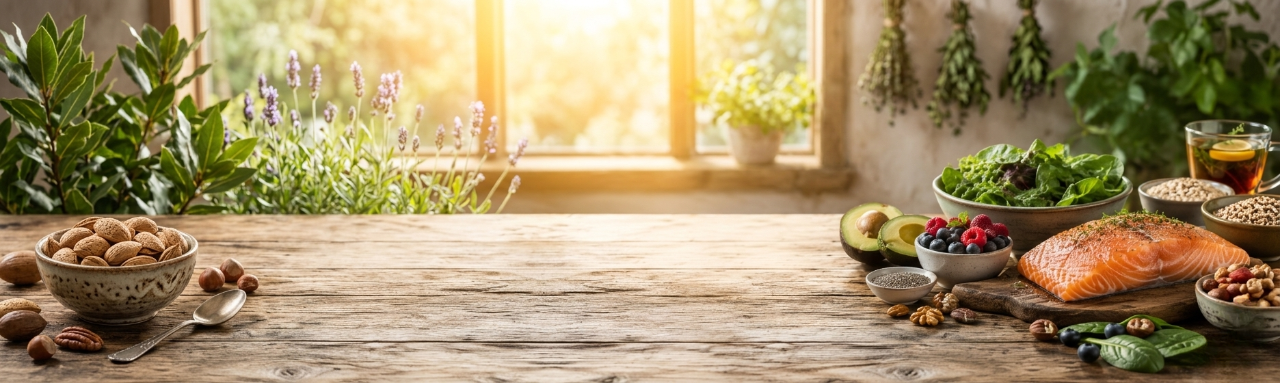
Your heart is the engine of your body, tirelessly working to keep you alive and thriving. What you eat plays a crucial role in maintaining its health and preventing cardiovascular diseases. This guide explores the best foods that can significantly contribute to a healthy heart, focusing on nutrient rich options that support overall well being.
The Foundation of a Heart Healthy Diet
A heart healthy diet is not about deprivation; it's about making smart, delicious choices. The emphasis is on whole, unprocessed foods packed with vitamins, minerals, fiber, and beneficial fats. By incorporating these foods into your daily meals, you can actively protect your cardiovascular system and reduce your risk of heart problems.
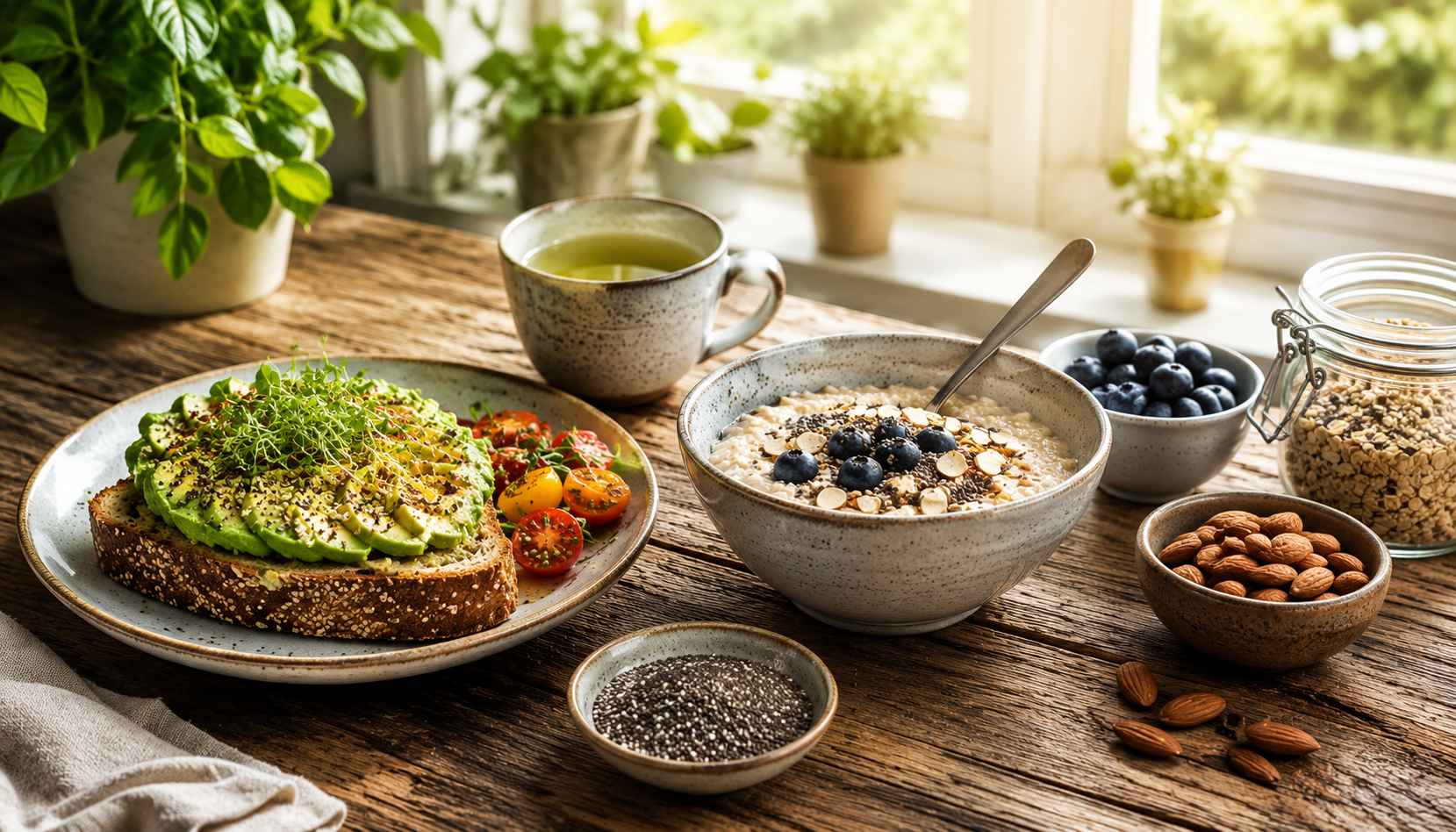
Key Food Groups for Heart Health
Fatty Fish: Rich in Omega-3s
Fatty fish like salmon, mackerel, herring, and sardines are powerhouses of omega-3 fatty acids. These essential fats are known to:
- Reduce blood pressure
- Lower triglyceride levels
- Slow the development of plaque in arteries
- Reduce the likelihood of heart attack and stroke
Aim to include fatty fish in your diet at least twice a week. If you are not a fan of fish, fish oil supplements or algae based omega-3 supplements can be a good alternative.

Berries: Antioxidant Champions
Blueberries, strawberries, raspberries, and blackberries are loaded with antioxidants, particularly anthocyanins, which give them their vibrant colors. These compounds help protect against oxidative stress and inflammation, both of which are linked to heart disease. Berries are also a good source of fiber and vitamins.
Enjoy them fresh as a snack, in your morning oatmeal, or blended into smoothies.
Leafy Greens: Vitamin and Mineral Powerhouses
Spinach, kale, collard greens, and other leafy greens are packed with vitamins, minerals, and antioxidants. They are particularly rich in Vitamin K, which helps protect your arteries and promote proper blood clotting. Leafy greens are also a good source of dietary nitrates, which have been shown to help lower blood pressure.
Incorporate them into salads, stir fries, soups, or even blend them into your morning smoothie.
Whole Grains: Fiber for the Win
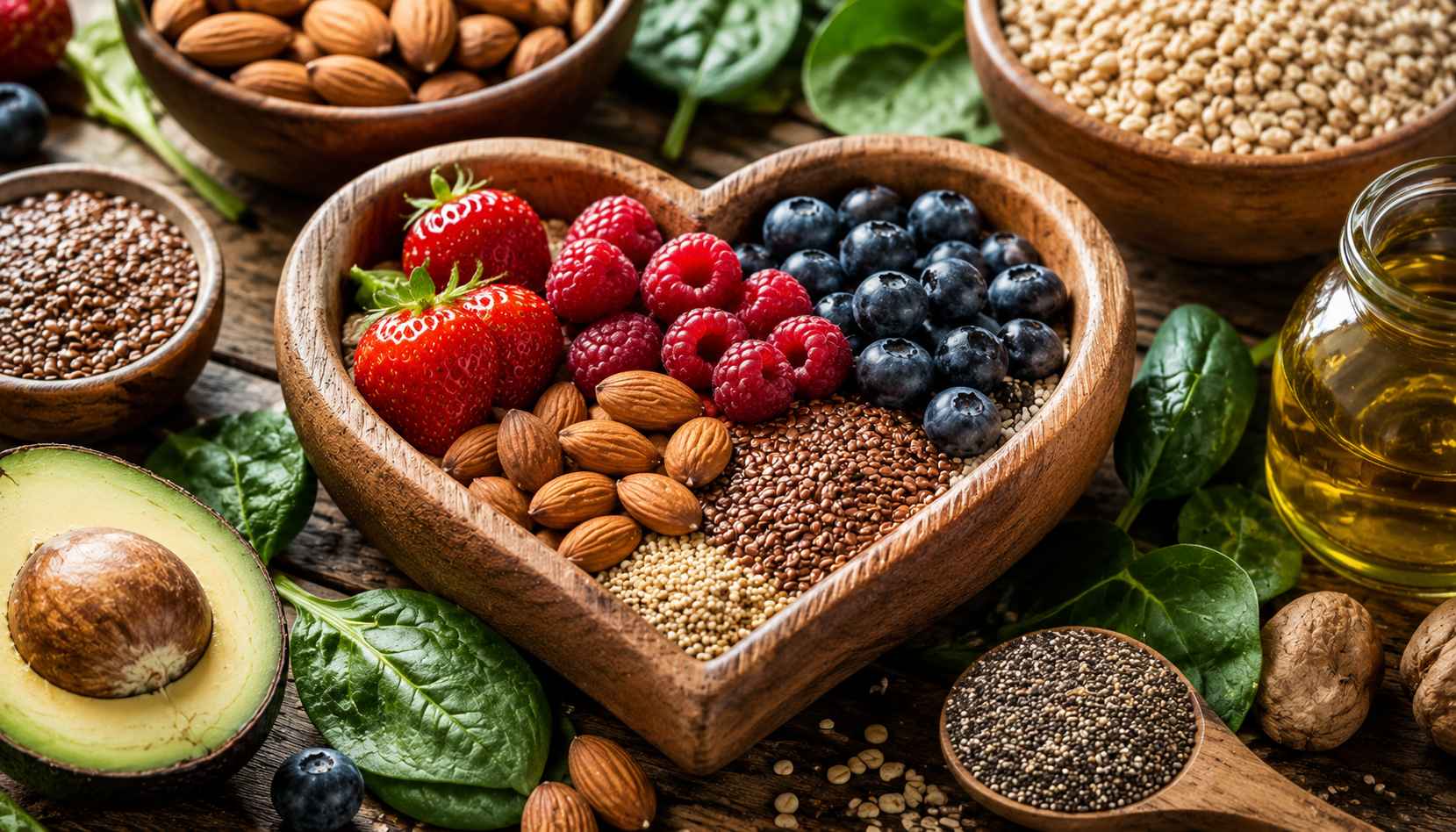
Oats, brown rice, quinoa, whole wheat bread, and barley are excellent sources of dietary fiber. Fiber plays a vital role in heart health by:
- Helping to lower cholesterol levels
- Controlling blood sugar levels
- Promoting a feeling of fullness, which can aid in weight management
Choosing whole grains over refined grains significantly boosts your fiber intake.
Nuts and Seeds: Healthy Fats and More
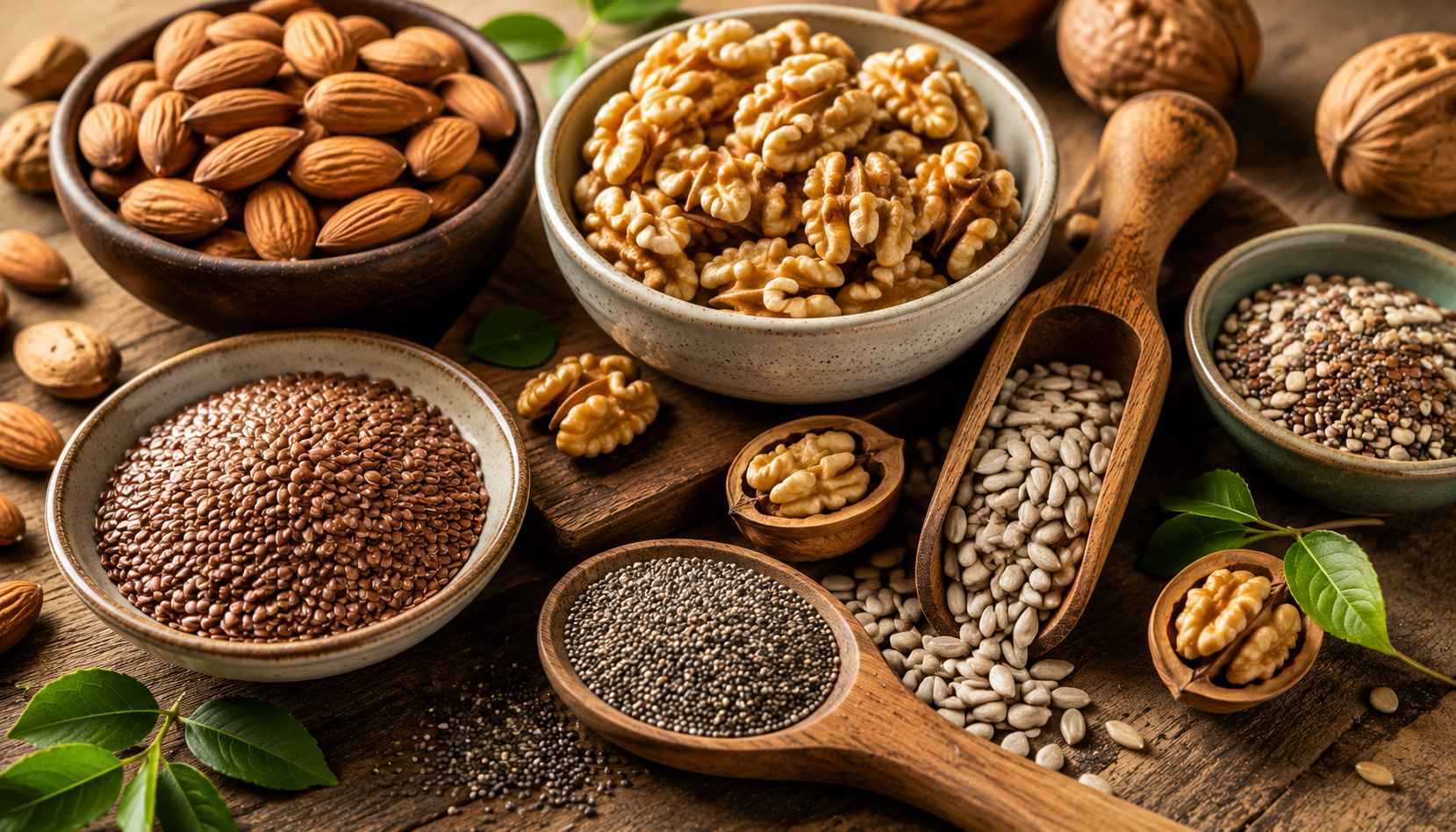
Almonds, walnuts, flaxseeds, chia seeds, and sunflower seeds are excellent sources of healthy fats, fiber, and protein. Walnuts are particularly noted for their omega-3 content, while flaxseeds and chia seeds are rich in alpha-linolenic acid (ALA), another type of omega-3. Nuts and seeds can also help lower cholesterol and blood pressure.
Enjoy a small handful as a snack, sprinkle them on salads, or add them to your yogurt or oatmeal.
Legumes: Plant Protein and Fiber
Beans, lentils, peas, and chickpeas are packed with protein, fiber, and essential minerals like potassium and magnesium, which are crucial for blood pressure regulation. They are also low in fat and calories, making them a heart healthy staple.
Add them to soups, stews, salads, or make delicious dips like hummus.
Avocado: The Creamy Heart Helper
Avocados are a fantastic source of monounsaturated fats, which help reduce LDL (bad) cholesterol levels and increase HDL (good) cholesterol. They are also rich in potassium, a mineral that helps control blood pressure.
Enjoy avocado on toast, in salads, or as a healthy addition to sandwiches.

Beyond Specific Foods: A Holistic Approach
While incorporating these foods is essential, remember that overall lifestyle choices matter. Limiting processed foods, sugary drinks, excessive sodium, and unhealthy saturated and trans fats is just as important. Regular physical activity, managing stress, and getting enough sleep also contribute significantly to a healthy heart.
Eating Your Way to a Stronger Heart
Nourishing your heart with the right foods is a powerful act of self-care. By making conscious, delicious choices from the foods highlighted above, you can significantly improve your cardiovascular health and reduce your risk of heart disease. Start small, make gradual changes, and enjoy the journey to a healthier, happier heart.

Most Popular












Anaya
comment1