



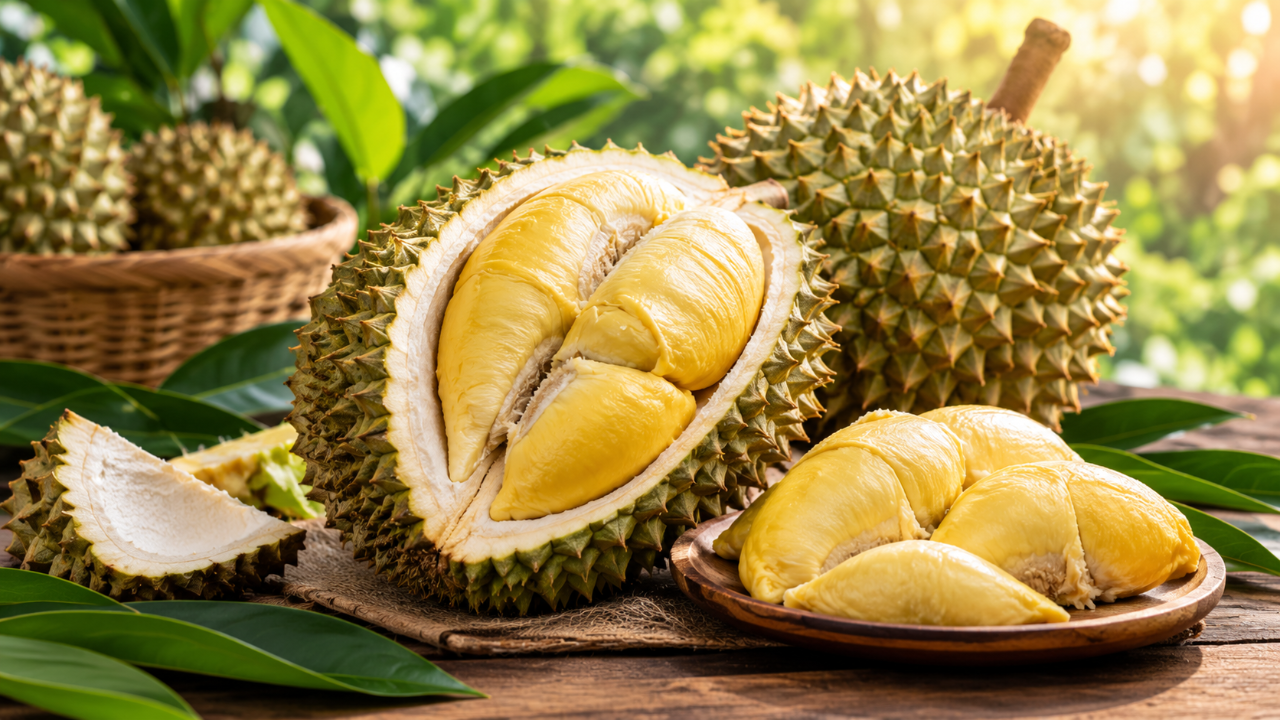
Durian, often dubbed the "King of Fruits," is a culinary enigma, celebrated by some as a delicacy and reviled by others for its potent aroma. This tropical fruit, native to Southeast Asia, boasts a complex flavor profile that is as polarizing as it is captivating. Its reputation precedes it, with strong bans in public transport and hotels in many parts of Asia underscoring its distinctive olfactory signature. Yet, for those who brave its scent, a world of creamy, sweet, and savory notes awaits, offering an experience unlike any other.
The Sensory Assault: Aroma and Appearance 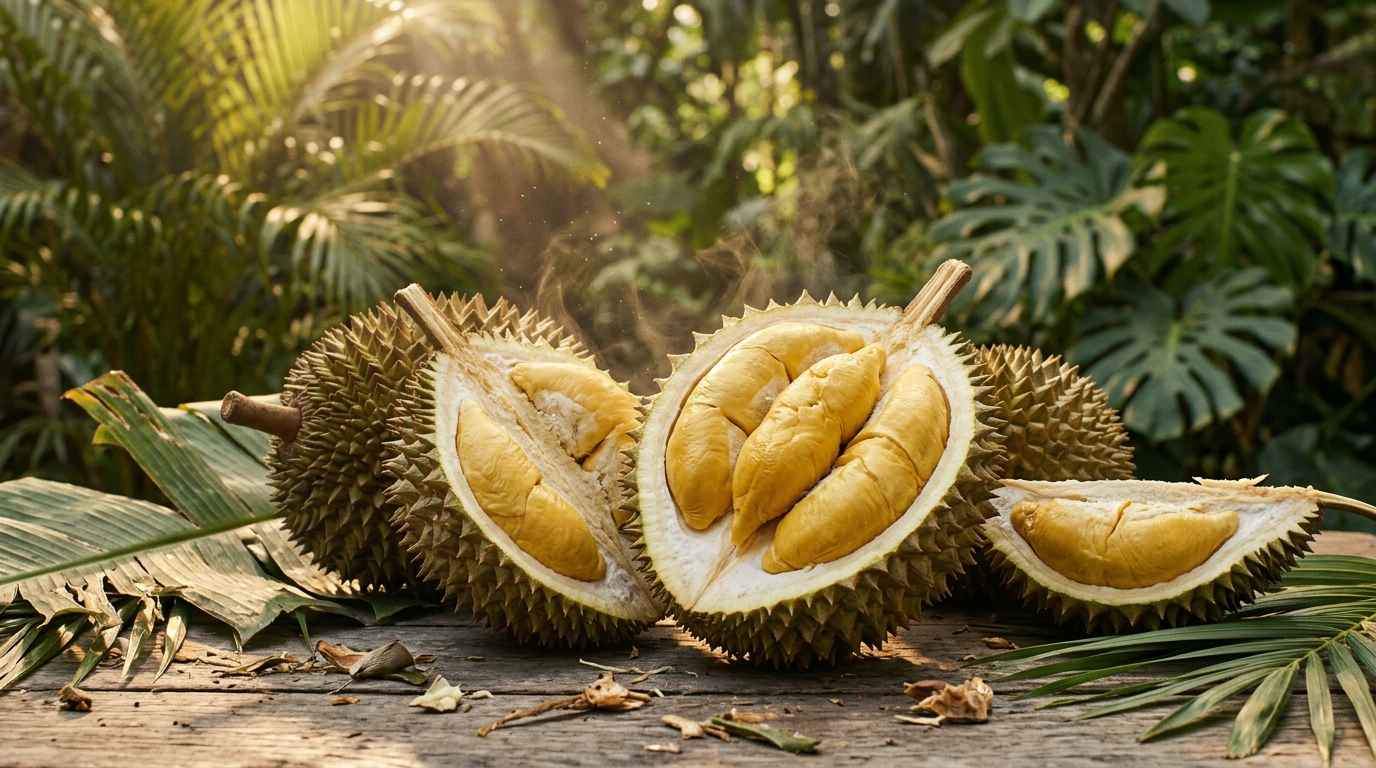
Visually, the durian is an imposing fruit, characterized by its large, spiky husk that conceals the creamy, segmented flesh within. The exterior, often green or brown, is a formidable defense, hinting at the intensity of what lies beneath. The aroma, however, is where the true controversy lies. Descriptions range from sweet almonds and caramel to hints of sulfur, onions, and even gym socks. This pungent scent is a result of volatile sulfur compounds, a unique chemical fingerprint that triggers strong reactions in those unaccustomed to it. It is this very aroma, however, that many durian aficionados find irresistible, associating it with the fruit's unparalleled taste.
A Journey Through Flavor: Taste and Texture 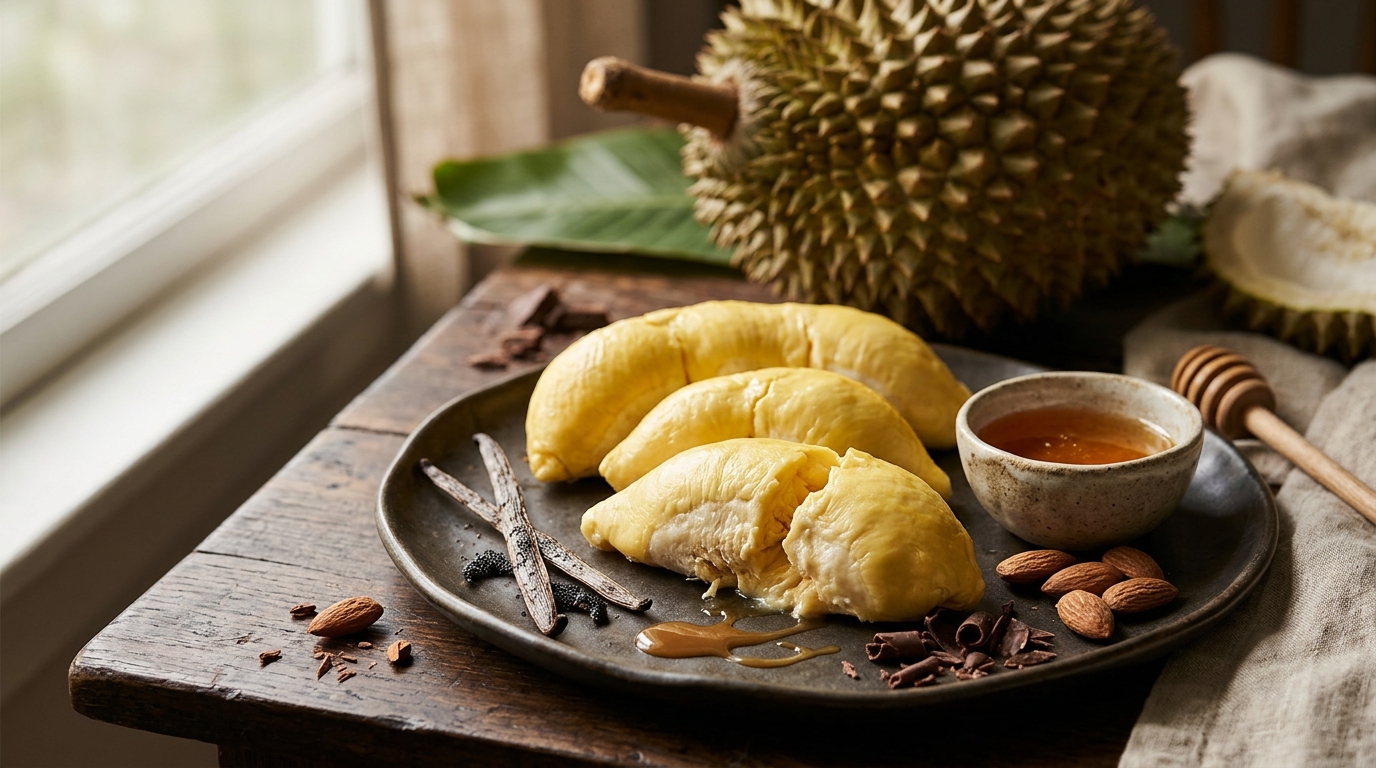
Beyond the initial olfactory challenge, the flavor of durian is a revelation. The texture is remarkably creamy and custardy, often described as a rich, smooth custard or a thick cream cheese. This luscious mouthfeel is a stark contrast to its spiky exterior. The taste itself is a complex interplay of sweet and savory notes. Predominantly sweet, it carries undertones that can vary significantly depending on the specific variety and ripeness of the fruit. Common flavor descriptors include notes of almond, vanilla, caramel, and even a hint of cheese. Some varieties exhibit a subtle bitterness that adds depth and sophistication to the overall experience. This duality, the combination of sweetness with subtle savory or even slightly alcoholic notes, is what makes durian so unique and addictive for its fans.
Varieties of the King: Exploring Diversity 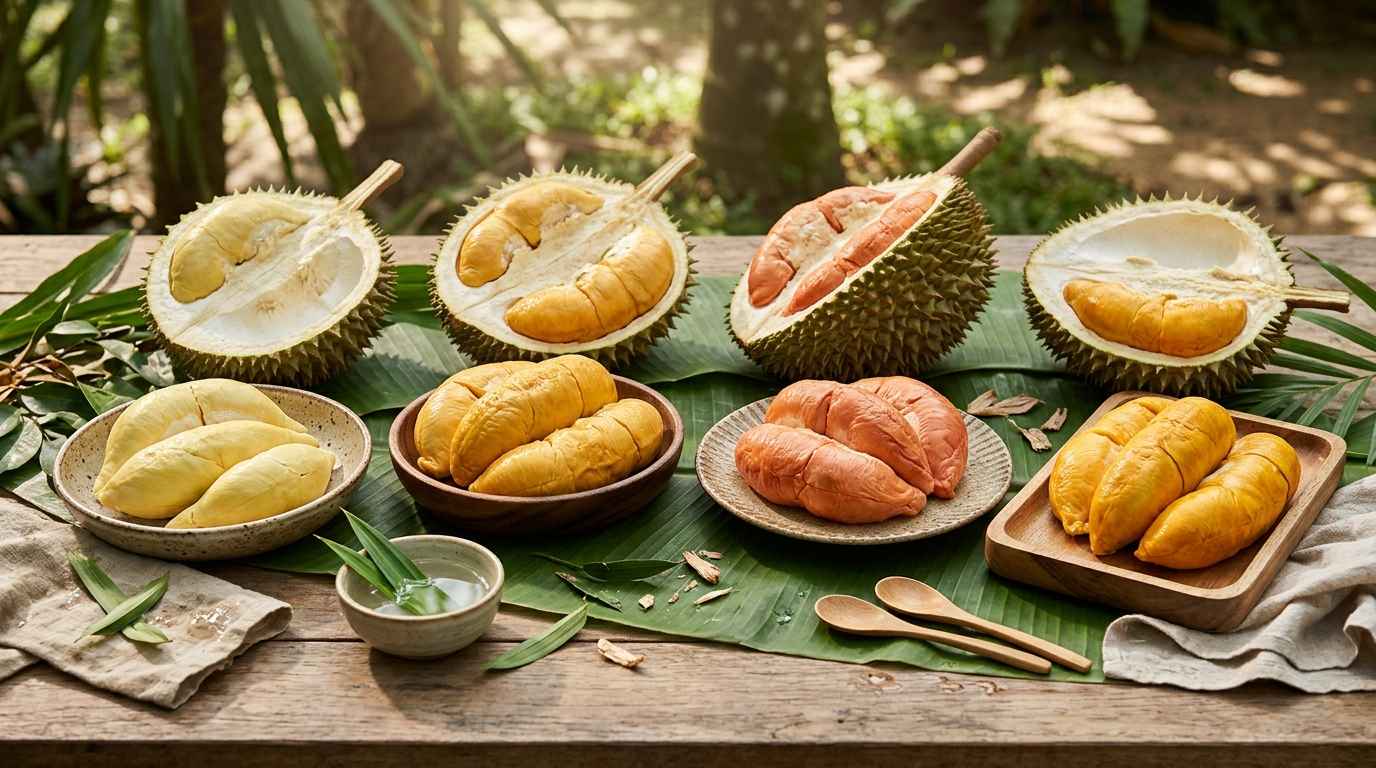
The durian is not a monolithic fruit; its diversity is as vast as its fanbase. Several popular varieties exist, each with its own distinct characteristics. The 'Musang King' (Mao Shan Wang) is perhaps the most famous, known for its vibrant orange flesh, rich sweetness, and slightly bitter aftertaste. 'D24' offers a creamier texture and a more mellow sweetness, making it a good entry point for beginners. Other notable varieties include 'Red Prawn' (Hong Xia) with its reddish hue and sweet, slightly fruity flavor, and 'Black Thorn' (Hei Tza) which is prized for its balanced sweet and bitter notes and velvety texture. Understanding these variations can help individuals navigate the world of durian and discover their personal favorite.
Beyond the Fruit: Durian in Culinary Creations 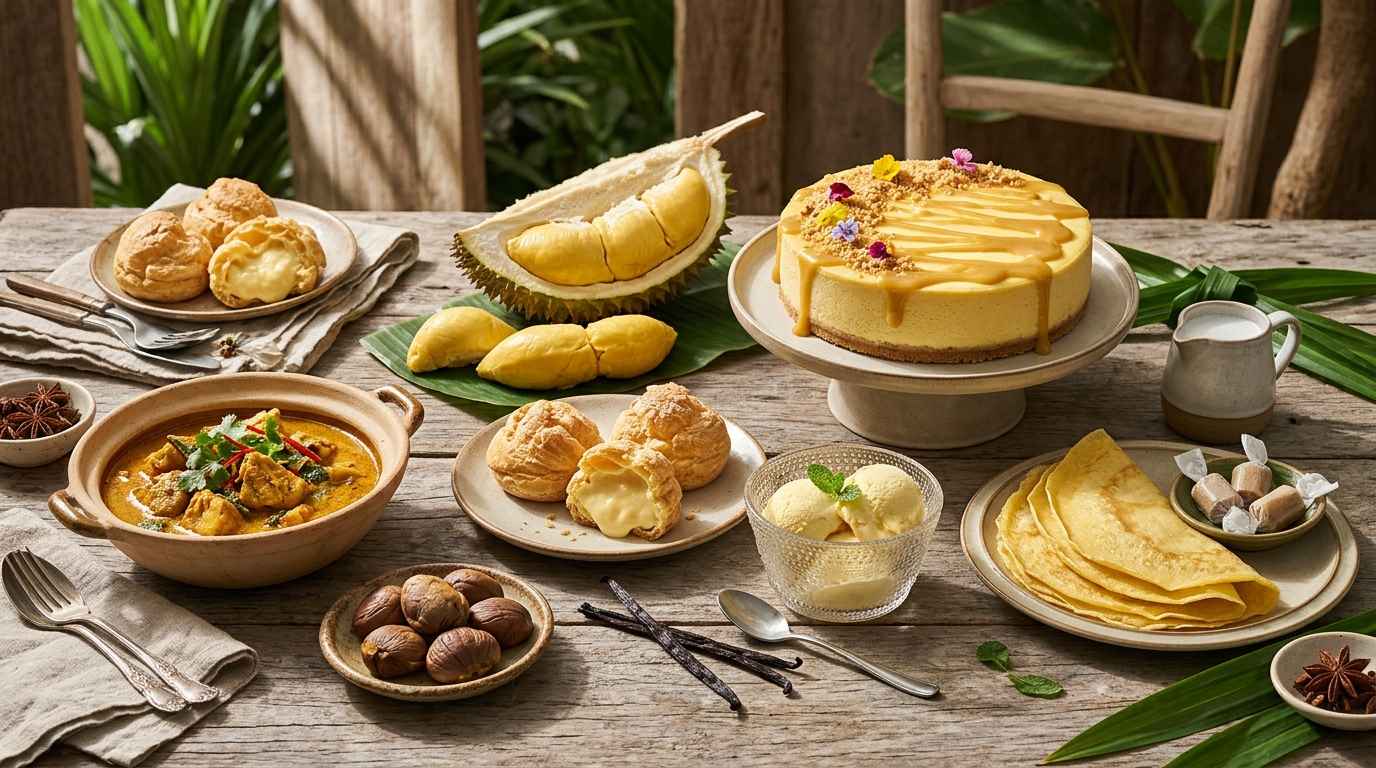
While many enjoy durian in its raw, fresh form, its culinary versatility extends far beyond. In Southeast Asia, it is incorporated into a wide array of dishes and desserts. Durian pastries, ice creams, cakes, and candies are popular treats. It is also used to create savory dishes, adding a unique umami depth to curries and stir fries. The seeds, when cooked, are edible and have a starchy texture, sometimes compared to chestnuts. The versatility of durian in the kitchen allows for creative exploration, further cementing its status as a truly multifaceted ingredient.
Embracing the Experience: A Final Word on Durian 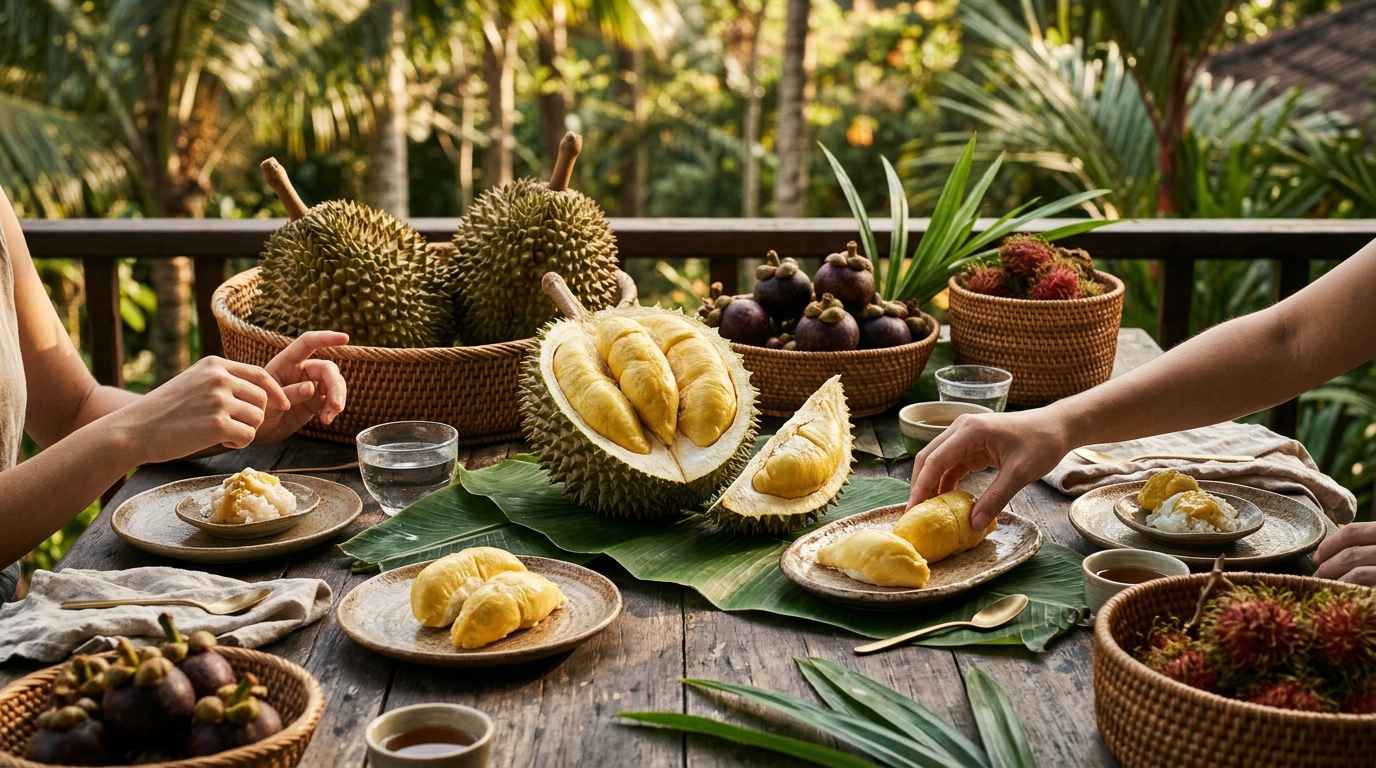
The durian experience is not merely about taste; it is a cultural phenomenon and a test of culinary adventurousness. Its polarizing nature sparks conversations and creates a sense of shared experience among those who embrace it. Whether you are a seasoned durian lover or a curious newcomer, approaching this fruit with an open mind and a willingness to explore its complex sensory profile is key. While the aroma may be challenging, the reward of its rich, creamy, and nuanced flavor is, for many, an unparalleled gastronomic delight. The "King of Fruits" undeniably reigns supreme in its ability to divide and conquer palates worldwide.
Most Popular










Anaya
comment1