




The kitchen has always been the heart of the home, but in today's rapidly evolving world, it is becoming something much more—a hub of innovation, efficiency, and sustainability. Welcome to the era of Food 2.0, where technology and culinary creativity come together to transform the way we cook, eat, and think about food. The smart kitchen movement is at the forefront of this transformation, offering solutions that make meal preparation easier, healthier, and more environmentally friendly than ever before.At its core, a smart kitchen integrates advanced technologies into everyday cooking practices. From Wi-Fi-enabled appliances and voice-controlled assistants to intelligent refrigerators and app-connected ovens, modern kitchens are designed to simplify tasks and enhance the cooking experience. These innovations allow users to monitor, control, and optimize kitchen operations with just a few taps on a smartphone or a simple voice command.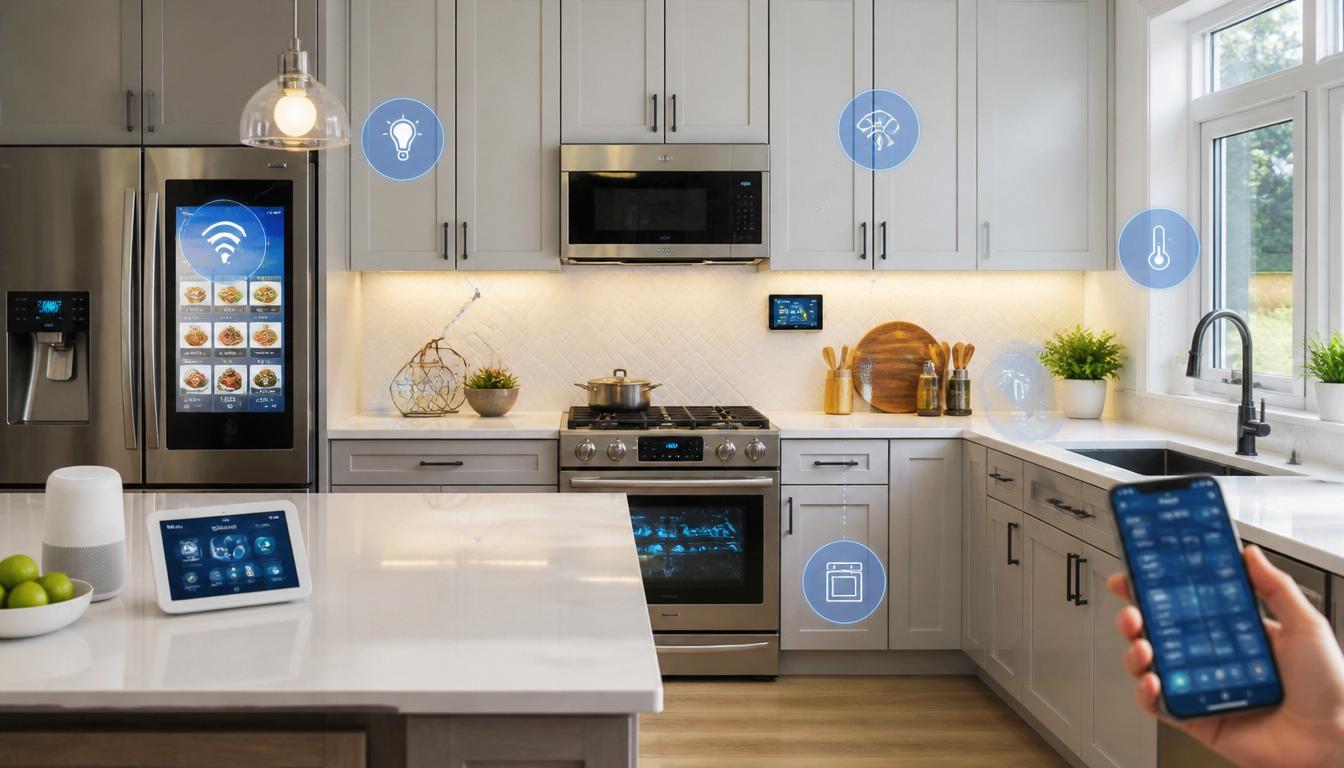
One of the most significant benefits of smart kitchens is convenience. Busy lifestyles often leave little time for meal planning and preparation. Smart appliances can help bridge this gap by automating routine tasks. Intelligent ovens can adjust cooking temperatures automatically, while smart coffee makers can prepare your morning brew before you even get out of bed. Refrigerators equipped with inventory tracking systems can notify users when ingredients are running low and even suggest recipes based on available items.Health and nutrition are also key drivers of the Food 2.0 movement. Smart kitchen devices can provide detailed nutritional information, portion recommendations, and personalized meal plans. Fitness-conscious individuals can use connected apps to track calorie intake, monitor dietary goals, and receive tailored cooking suggestions. By making nutritional information more accessible, smart kitchens empower people to make healthier food choices without sacrificing flavor or enjoyment.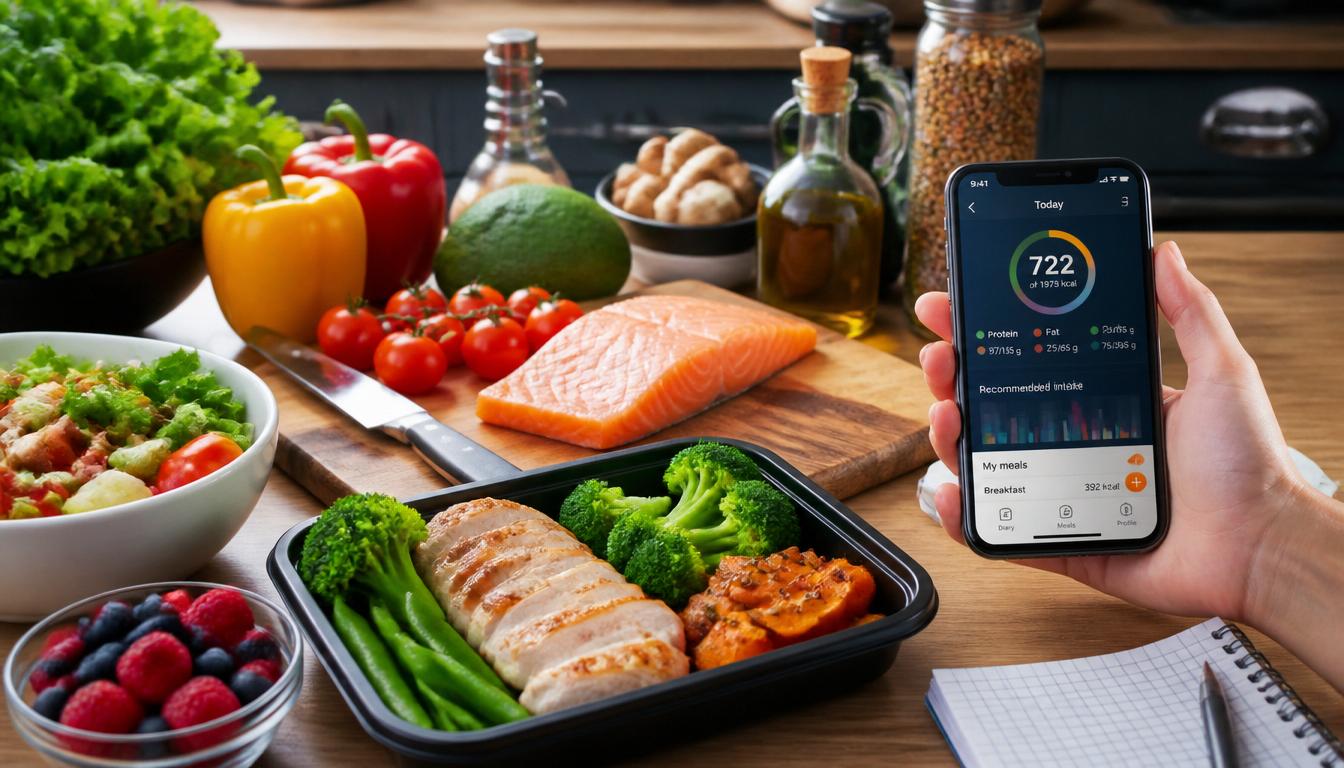
Sustainability is another major focus of the smart kitchen revolution. Food waste remains a global challenge, but technology is helping households address the issue more effectively. Smart refrigerators can monitor expiration dates and send reminders to use ingredients before they spoil. Meal-planning applications can generate shopping lists that reduce unnecessary purchases, helping families save money while minimizing waste. Energy-efficient appliances further contribute to environmental conservation by reducing electricity and water consumption.The rise of artificial intelligence is taking smart kitchens to the next level. AI-powered cooking assistants can recommend recipes based on dietary preferences, available ingredients, and cooking skill levels. Some systems can even learn user habits over time, creating increasingly personalized culinary experiences. As machine learning technology advances, kitchens may become even more intuitive, offering real-time guidance and predictive support throughout the cooking process.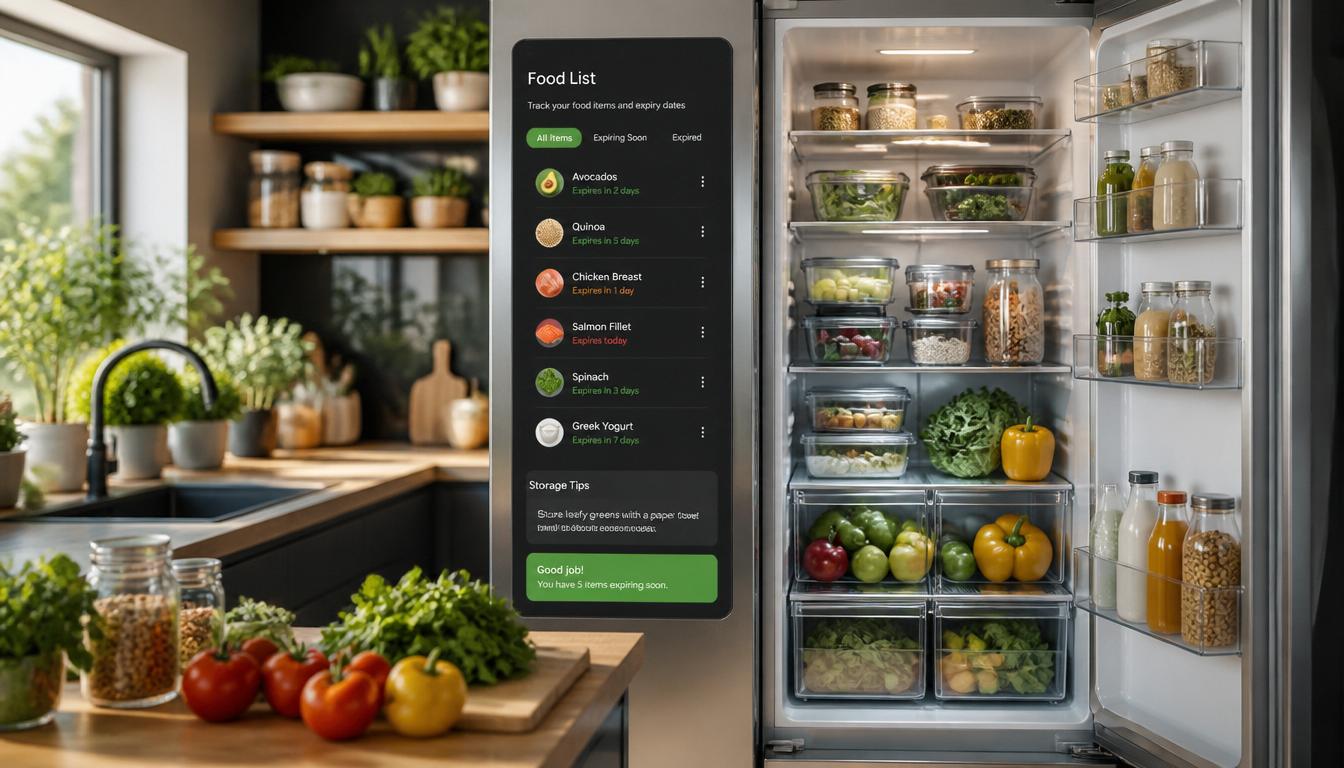
Despite the impressive technology, the goal of the smart kitchen is not to replace human creativity but to enhance it. Cooking remains a deeply personal and cultural activity. Smart tools simply remove barriers, allowing home cooks to focus more on experimenting with flavors, sharing meals, and enjoying the experience.The smart kitchen movement represents the future of Food 2.0—a future where innovation, sustainability, and convenience work together to improve everyday life. As technology continues to evolve, our kitchens will become smarter, more efficient, and more connected, helping us create better meals while building a healthier and more sustainable world.
Most Popular













Anaya
comment1