



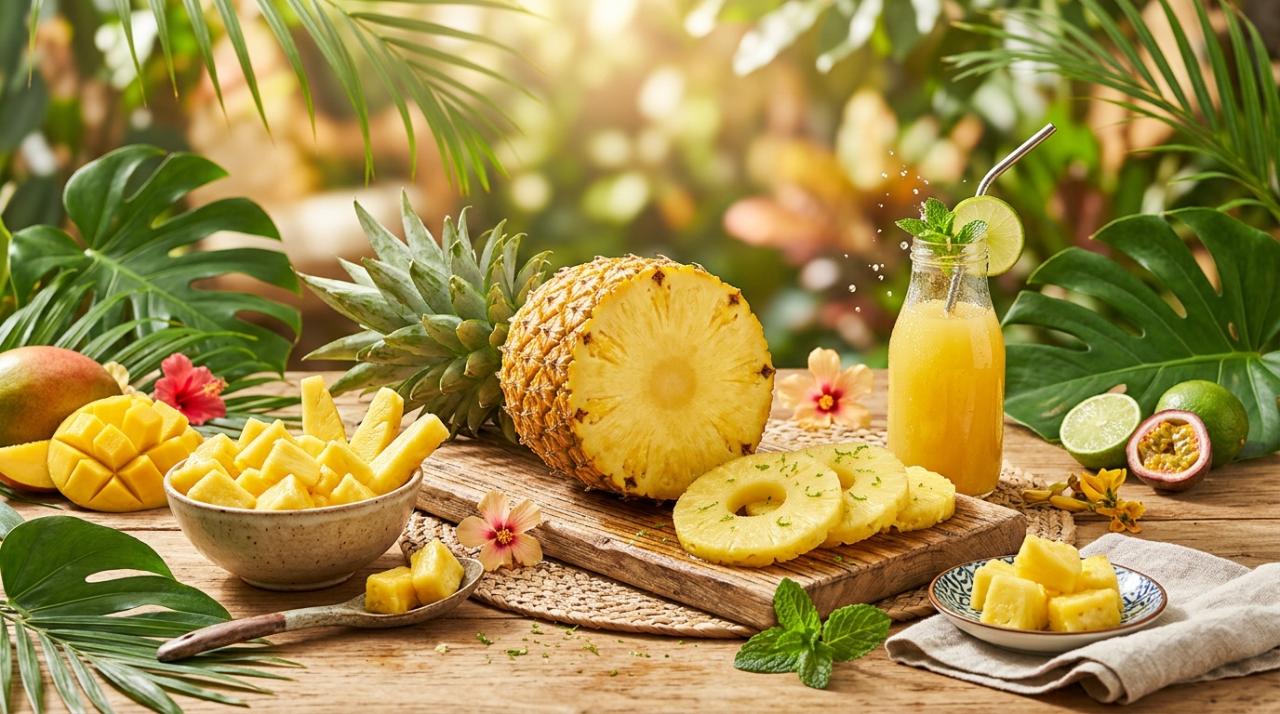
The pineapple, with its spiky exterior and sweet, tangy flesh, is more than just a tropical treat; it's a nutritional powerhouse. This iconic fruit, scientifically known as Ananas comosus, has captivated palates and cultures for centuries. Originating from South America, the pineapple's journey across the globe is a testament to its enduring appeal. Beyond its delicious flavor, pineapple offers a wealth of health benefits, making it a valuable addition to any balanced diet. This article will delve into the multifaceted world of the pineapple, exploring its history, nutritional profile, and the diverse ways it can be enjoyed.
A Journey Through History and Cultivation 
The history of the pineapple is as rich and complex as its flavor. Indigenous peoples of South America are credited with first cultivating this remarkable fruit. Christopher Columbus encountered it during his second voyage to the Americas in 1493, and its popularity quickly spread throughout Europe, though it remained a luxury item for the wealthy due to the difficulty of transportation and cultivation in cooler climates. Eventually, advancements in agriculture and trade routes made the pineapple more accessible, and it is now grown in tropical regions worldwide, with major producers including Costa Rica, the Philippines, Brazil, and Thailand.
Nutritional Profile and Health Benefits 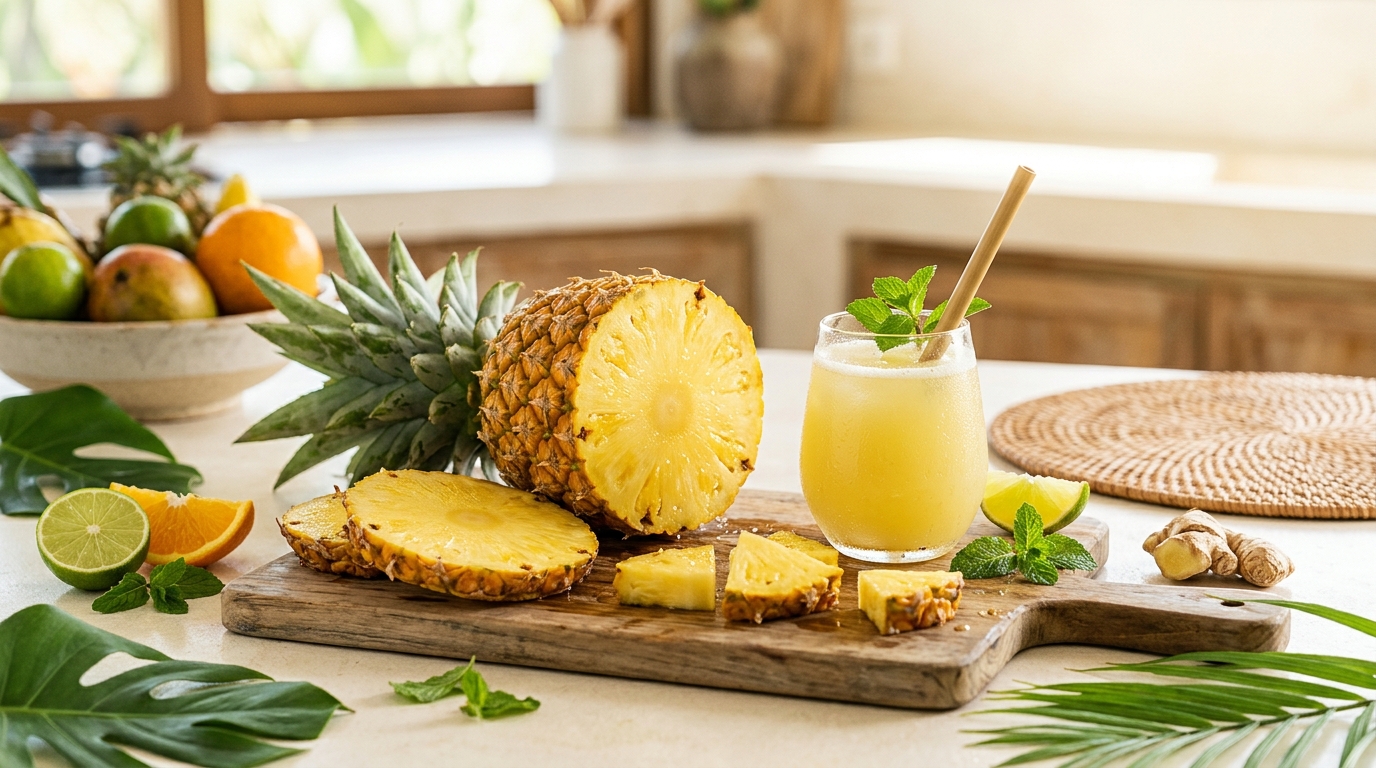
Pineapple is a fantastic source of essential vitamins and minerals. It is particularly renowned for its high Vitamin C content, a powerful antioxidant that supports the immune system and skin health. Furthermore, pineapple contains manganese, crucial for bone health and metabolism. One of the most unique and beneficial compounds found in pineapple is bromelain. Bromelain is a group of enzymes that aids in digestion by breaking down proteins. This proteolytic enzyme also exhibits anti inflammatory properties, which can help reduce swelling and speed up recovery from injuries and surgeries. Regular consumption of pineapple may contribute to improved digestion, reduced inflammation, and enhanced immune function.
Culinary Versatility 
The culinary applications of pineapple are virtually endless. Its vibrant sweetness and slight acidity make it a perfect ingredient for both sweet and savory dishes. Fresh pineapple can be enjoyed on its own, blended into smoothies, or incorporated into fruit salads. In the kitchen, pineapple adds a tropical twist to grilled meats, enhancing their flavor and tenderness due to the bromelain content. It's a popular addition to pizzas, stir fries, and salsas. Desserts are another area where pineapple shines, from classic pineapple upside down cake to exotic sorbets and custards. The versatility of this fruit allows for creativity and delightful culinary experiences.
Selecting and Storing Pineapples  Choosing a ripe pineapple is key to enjoying its full flavor. Look for a fruit that is firm to the touch, with a sweet aroma at the base. The leaves at the top should be green and fresh. Avoid pineapples with soft spots or a fermented smell. Once purchased, pineapples do not ripen further, so it is best to consume them within a few days of purchase. Store whole, uncut pineapples at room temperature. Once cut, pineapple should be refrigerated in an airtight container and consumed within a few days to maintain its freshness and nutritional value.
Most Popular












Anaya
comment1