



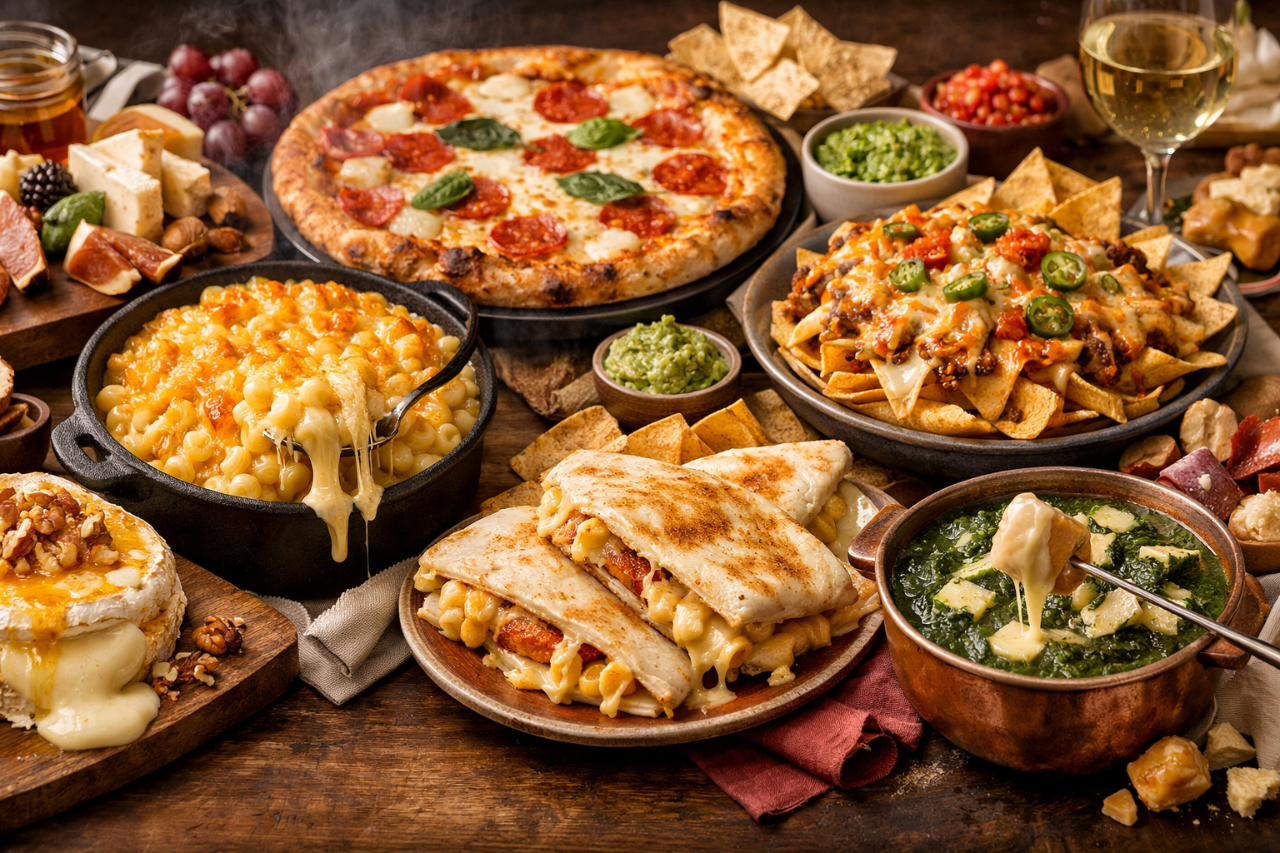
Cheese, a culinary cornerstone enjoyed for millennia, has transcended its origins to become a versatile ingredient in a vast array of beloved foods. From comforting classics to innovative gastronomic creations, cheese foods represent a diverse and delectable segment of our global diet. This exploration delves into the multifaceted world of cheese-based dishes, celebrating their enduring appeal and the sheer joy they bring to tables worldwide.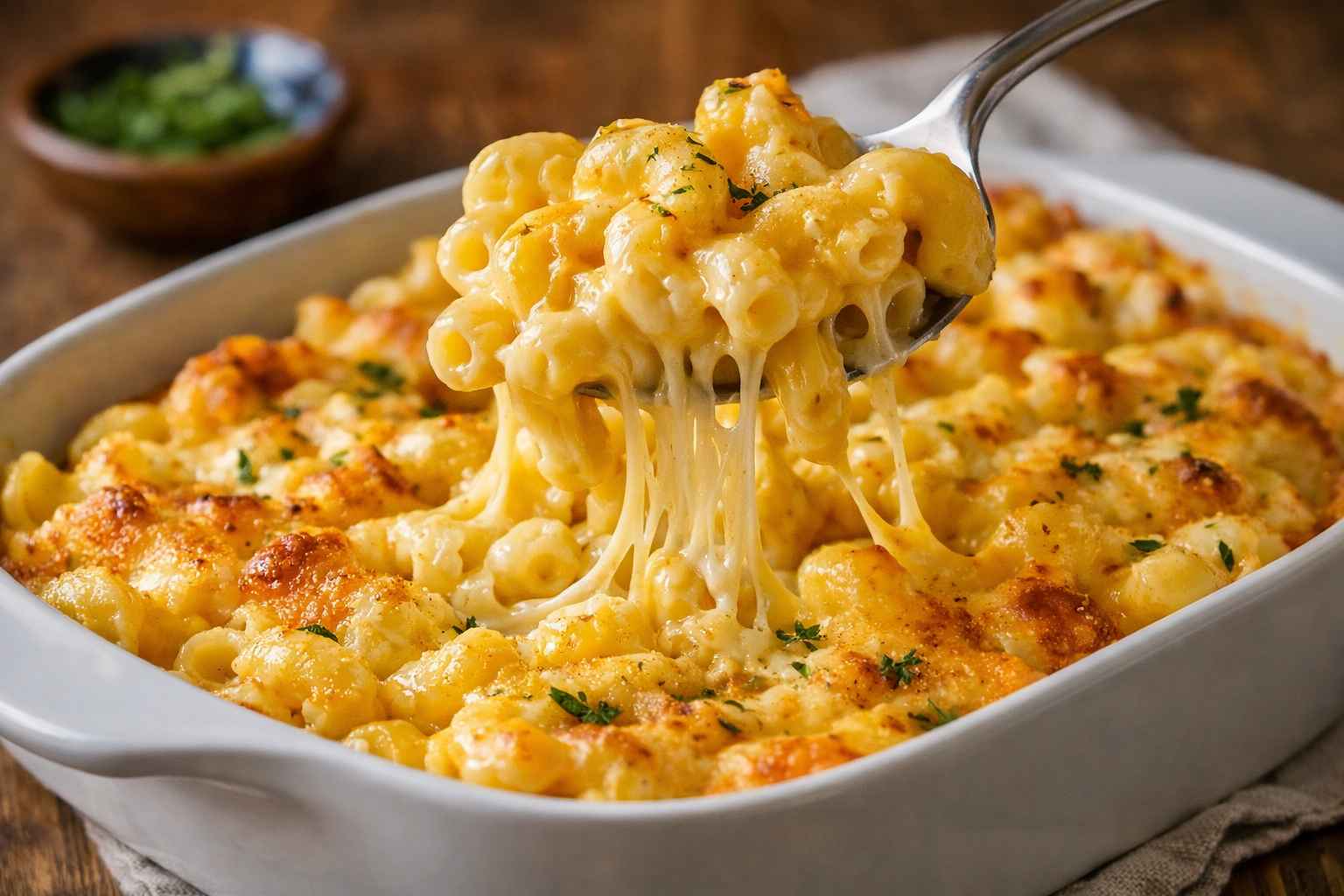
The Ubiquitous Appeal of Cheese
The magic of cheese lies in its incredible variety and its ability to transform simple ingredients into something extraordinary. The complex interplay of textures, from creamy and melty to sharp and crumbly, combined with a spectrum of flavors, makes cheese an indispensable component in countless recipes. Whether it's the rich umami of aged cheddar, the tangy bite of feta, or the smooth indulgence of mozzarella, each cheese brings its unique character to the culinary stage.
Comfort Food Classics Elevated by Cheese
Many of our most cherished comfort foods owe their irresistible charm to the inclusion of cheese. Macaroni and cheese, a quintessential dish, showcases how melted cheese can bind pasta into a creamy, satisfying meal. Pizza, a global phenomenon, relies heavily on the gooey, stretchy appeal of melted mozzarella, often complemented by a medley of other cheeses. Grilled cheese sandwiches, a simple yet profoundly satisfying creation, offer a delightful crunch from toasted bread enveloping a warm, flowing cheese interior. These dishes are not just meals; they are edible hugs, evoking feelings of nostalgia and contentment.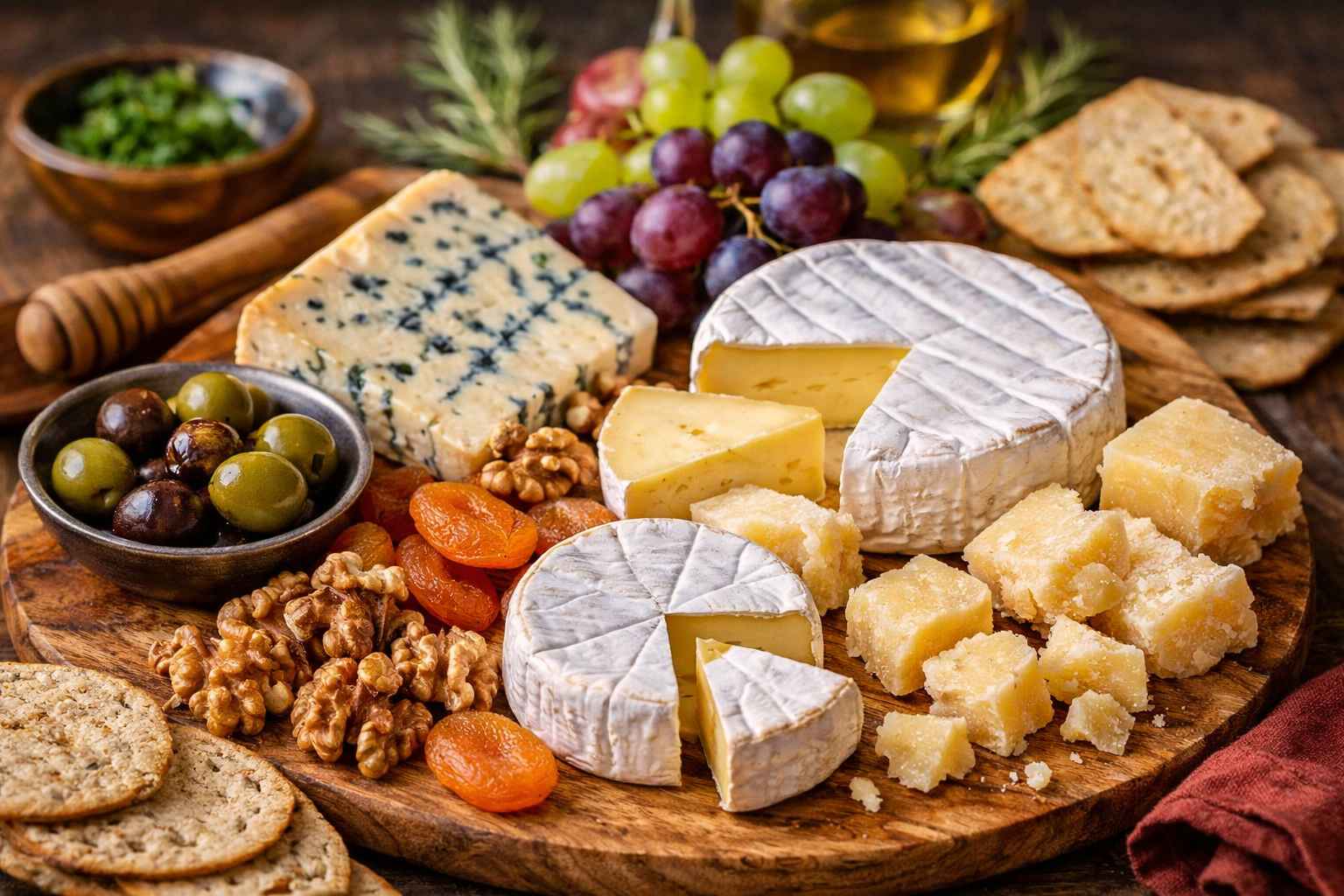
Cheese in Diverse Cuisines
The influence of cheese extends far beyond Western kitchens. In Italy, the birthplace of many iconic cheese dishes, ricotta and mascarpone are integral to desserts like tiramisu, while Parmesan and Pecorino Romano lend their distinctive salty notes to pasta and risottos. Mexican cuisine frequently features queso fresco, cotija, and Oaxaca cheese in enchiladas, quesadillas, and nachos, adding a creamy or crumbly texture and a mild, often tangy, flavor. Indian cuisine, while not traditionally cheese heavy in the Western sense, has its own celebrated cheese, paneer, a fresh, non melting cheese that is a staple in dishes like palak paneer and matar paneer.
Innovative Cheese Creations
The culinary world continues to innovate, pushing the boundaries of what cheese foods can be. Artisanal cheese boards, featuring a curated selection of cheeses, fruits, nuts, and charcuterie, have become a sophisticated way to appreciate the nuances of different cheese types. Baked brie, often served with honey, nuts, or fruit preserves, offers a decadent appetizer that is both elegant and approachable. From cheese filled pastries and savory pies to sophisticated soufflés and fondues, the adaptability of cheese ensures its place in both everyday meals and celebratory feasts.
The Health and Nutritional Aspects of Cheese
While often enjoyed for its taste and texture, cheese also offers nutritional benefits. It is a good source of protein, calcium, and vitamin B12, essential nutrients for bone health, muscle function, and energy production. Of course, like many delicious foods, moderation is key, particularly concerning fat and sodium content in some varieties. However, when incorporated into a balanced diet, cheese foods can be a nutritious and satisfying part of a healthy lifestyle.
The world of cheese foods is a vibrant testament to culinary creativity and universal taste preferences. From simple, comforting dishes to elaborate gastronomic experiences, cheese has a unique ability to enhance flavors, textures, and the overall dining experience. As we continue to explore and appreciate the vast possibilities that cheese offers, one thing remains certain: cheese foods will continue to be a beloved and integral part of our culinary landscape for generations to come.

Most Popular













Anaya
comment1