



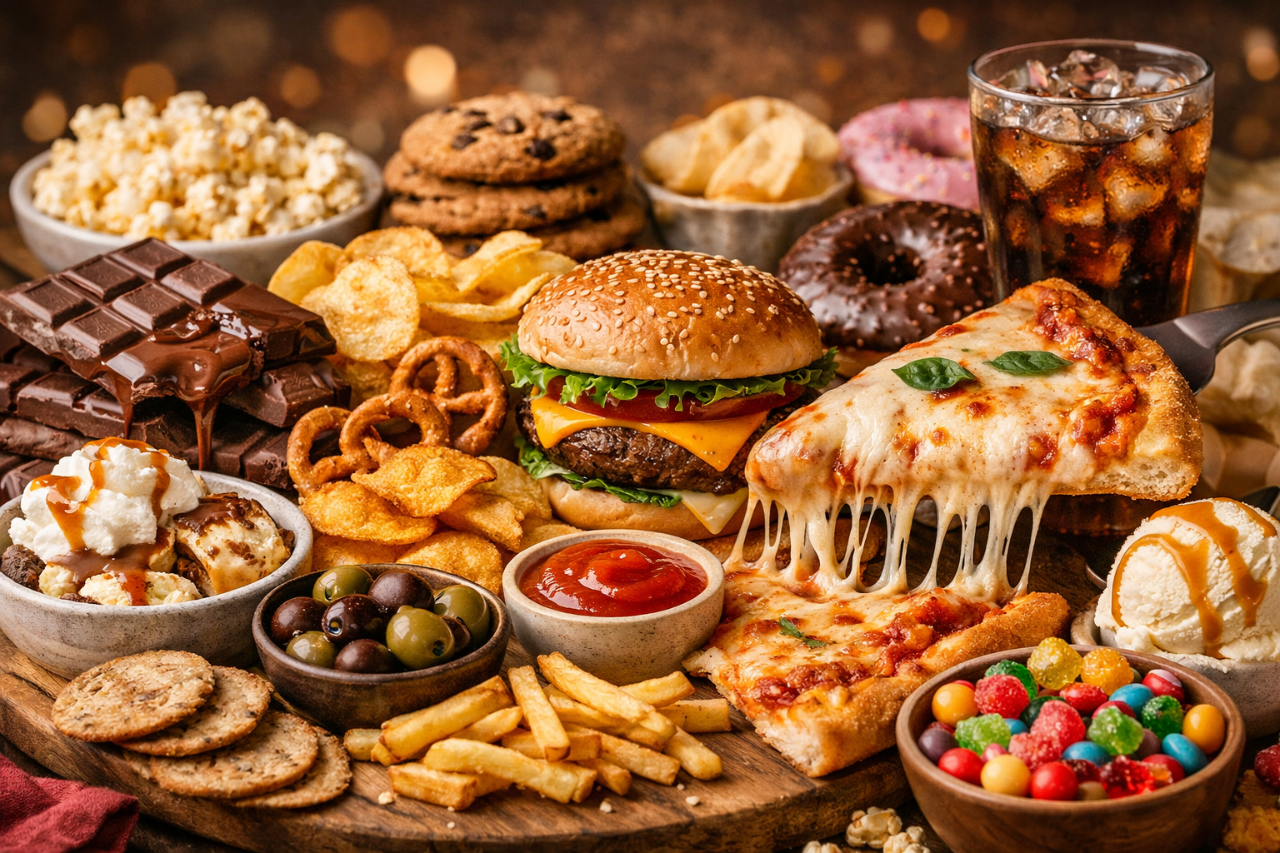
We've all been there. That sudden, intense desire for a specific food, often something sweet, salty, or fatty. Whether it's a craving for chocolate after a stressful day, an irresistible urge for salty chips, or a hankering for something rich and creamy, these food cravings are a universal human experience. But what exactly is a crave mix, and what triggers these powerful urges? Understanding the science behind our cravings can empower us to make more informed food choices and develop healthier eating habits.
Deconstructing the Crave Mix
The term "crave mix" isn't a scientifically defined term, but it effectively describes the complex interplay of biological, psychological, and environmental factors that contribute to food cravings. At its core, a craving is a strong desire or longing for a particular food, often one that is highly palatable and associated with pleasure or comfort. These urges are not simply about hunger; they are often driven by a combination of:
Biological Factors
Our bodies are intricately designed to seek out energy dense foods. Historically, this was a survival mechanism. Foods high in sugar, fat, and salt were rare and provided essential calories and nutrients. Our brains are still wired to reward us for consuming these foods. Hormones like ghrelin (the hunger hormone) and leptin (the satiety hormone) play a role, but cravings can occur even when we're not physiologically hungry. Nutritional deficiencies can sometimes trigger cravings for specific nutrients, though this is less common than other triggers.
Psychological Factors
Our emotions are powerful drivers of cravings. Stress, sadness, boredom, and even happiness can all lead to a desire for certain foods. We often use food as a coping mechanism, associating certain tastes and textures with comfort and reward. Memories linked to specific foods can also trigger cravings. For instance, the smell of cookies baking might evoke nostalgic childhood memories, leading to an immediate desire for them.
Environmental and Sensory Cues
Our surroundings play a significant role. The sight, smell, or even the thought of a particular food can trigger a craving. Advertising, social situations, and the availability of certain foods in our environment all contribute. If you see someone enjoying a delicious-looking ice cream cone, it's likely to spark your own desire for one, regardless of whether you were feeling hungry moments before.
The Palate Pleasure Principle
Highly palatable foods, meaning those that are engineered to be extremely enjoyable to eat, are particularly effective at triggering cravings. These often combine sugar, fat, and salt in specific ratios that stimulate the brain's reward pathways. Think of your favorite snack foods, desserts, or fast food items. Their addictive qualities are often a result of this carefully crafted "crave mix" of sensory experiences.
Navigating Your Cravings
Understanding the "crave mix" is the first step to managing it. Instead of fighting cravings, try to identify their underlying cause. Are you truly hungry, or are you stressed, bored, or seeking comfort? Experiment with healthier alternatives or mindful distractions. If it's a specific nutrient you're craving, opt for whole foods that provide it. For example, if you crave salt, try a handful of unsalted nuts or some air popped popcorn. If it's sweetness, reach for a piece of fruit.
A Deeper Understanding of Our Desires
Food cravings are complex phenomena, influenced by a multifaceted "crave mix" of biological, psychological, and environmental factors. By recognizing the triggers and understanding the science behind these desires, we can develop a more mindful and balanced relationship with food. Rather than succumbing to every urge, we can learn to decipher our body's signals and make choices that support our overall health and well-being. This understanding empowers us to move beyond simply reacting to cravings and towards proactively nourishing ourselves.

Most Popular












Anaya
comment1