



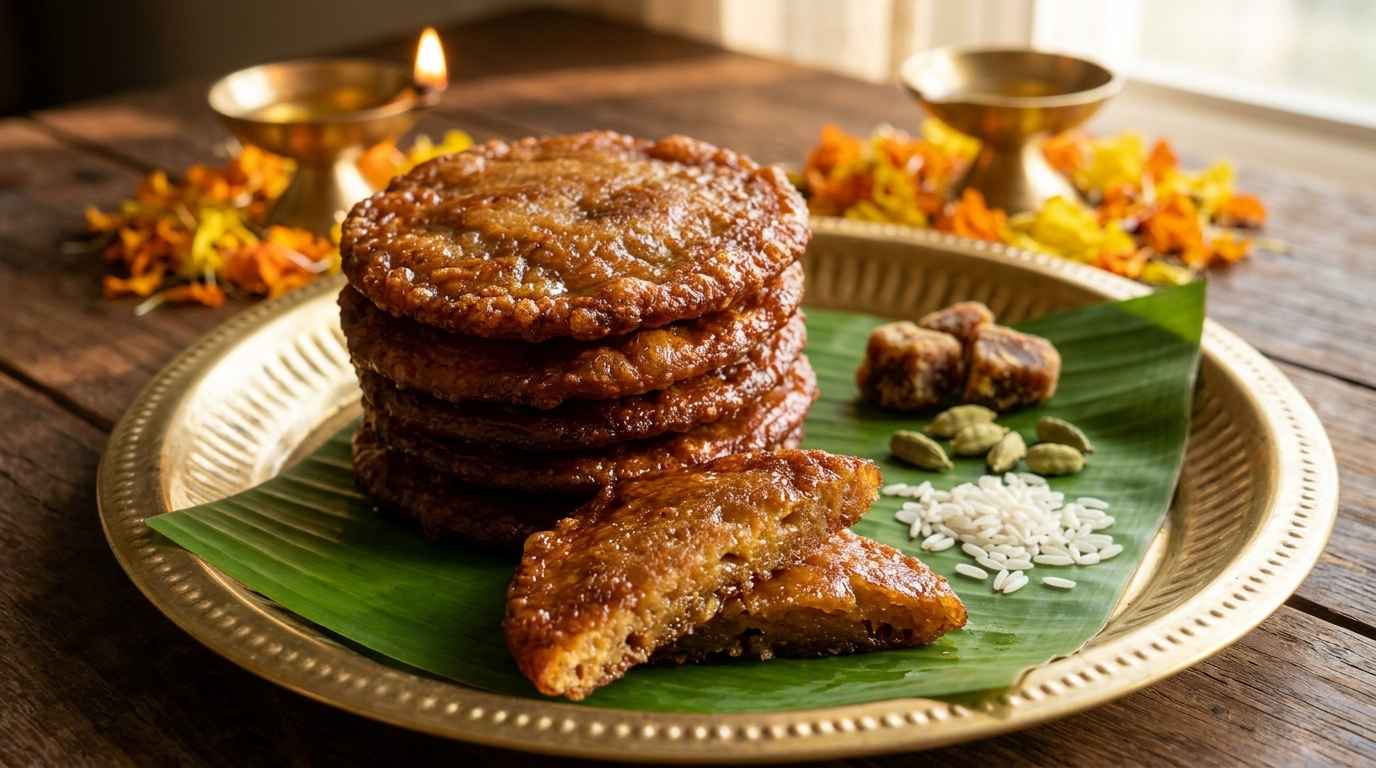
Diwali is a celebration of light, happiness, and togetherness, and traditional sweets are an essential part of the festivities. Among the many delicious treats prepared for this special occasion, Adhirasam holds a unique place in South Indian culinary heritage. Made with rice flour, jaggery, and fragrant cardamom, this golden-brown sweet is known for its rich flavour, slightly crisp exterior, and soft, chewy centre.
Unlike modern desserts that require elaborate ingredients, Adhirasam celebrates the beauty of simple, traditional cooking. Its preparation involves patience, careful timing, and techniques passed down through generations. If you want to explore an authentic festive dessert, this traditional Adhirasam recipe is a wonderful place to begin.
What Makes Adhirasam Special?
Adhirasam is particularly associated with Tamil Nadu and is also enjoyed in other parts of South India. It is commonly prepared during Diwali and other religious or family celebrations.
The secret behind its distinctive taste lies in the combination of freshly prepared rice flour and unrefined jaggery. Jaggery provides a deep caramel-like sweetness, while cardamom adds a gentle aroma. When prepared correctly, the dough develops the right consistency to produce a sweet that is tender inside without becoming excessively hard.
For many families, making Adhirasam is more than cooking. It is an opportunity to preserve family traditions, share kitchen skills with younger generations, and prepare something meaningful for loved ones.
Ingredients for Traditional Adhirasam
To prepare approximately 10–12 small Adhirasam pieces, you will need:
- 1 cup raw rice
- ¾ cup grated or powdered jaggery
- ¼ cup water, approximately, for the jaggery syrup
- ¼ teaspoon cardamom powder
- A pinch of salt
- Oil for deep-frying
The exact amount of jaggery syrup absorbed by the flour can vary, so add it gradually until the dough reaches a soft, manageable consistency.
How to Make Adhirasam Step by Step
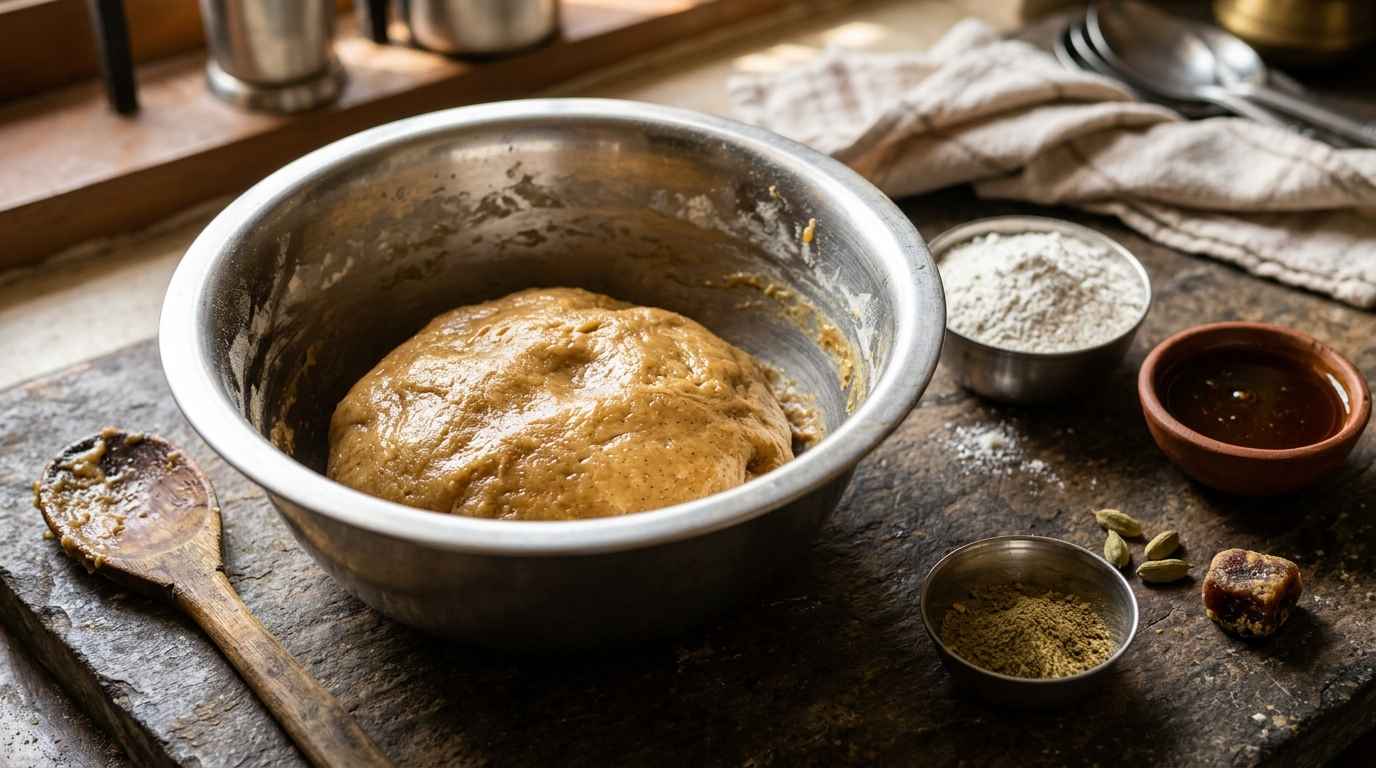
Step 1: Prepare the Rice Flour
Wash the raw rice thoroughly and soak it in water for approximately two to three hours. Drain the rice and spread it on a clean cloth until it is damp but not completely dry. Grind it into a fine powder and sieve it to remove coarse particles.
Freshly prepared rice flour is traditionally preferred because its slight moisture helps the dough come together properly.
Step 2: Prepare the Jaggery Syrup
Place the jaggery and water in a saucepan over low heat. Stir until the jaggery dissolves, then strain the liquid to remove any impurities. Return the syrup to the pan and cook until it reaches the soft-ball stage used in traditional Adhirasam preparation.
A candy thermometer can help with accuracy; the syrup is generally around 112–116°C at this stage. Use caution when handling hot syrup, as it can cause serious burns.
Step 3: Combine the Ingredients
Add the warm jaggery syrup gradually to the rice flour. Mix thoroughly, then add the cardamom powder and a pinch of salt. The mixture should form a soft dough that is not overly dry or runny.
Allow the dough to cool before handling it. Cover and rest it in a clean container, following a traditional family method if available. The resting period can vary by recipe and temperature.
Step 4: Shape the Adhirasam
Lightly grease your fingers with oil. Take a small portion of dough and roll it into a ball. Flatten it gently into a small disc on a greased surface or food-safe sheet.
Keep the pieces evenly sized so that they cook at a similar rate.
Step 5: Fry Until Golden
Heat oil in a deep pan over medium heat. Carefully slide one disc into the oil and fry until it turns golden brown, gently turning it as needed. Avoid overcrowding the pan or allowing the oil to become too hot, which can leave the outside dark while the centre remains undercooked.
Remove the sweet and gently press it between two slotted spoons to release excess oil. Allow it to cool before serving.
Tips for Perfect Adhirasam
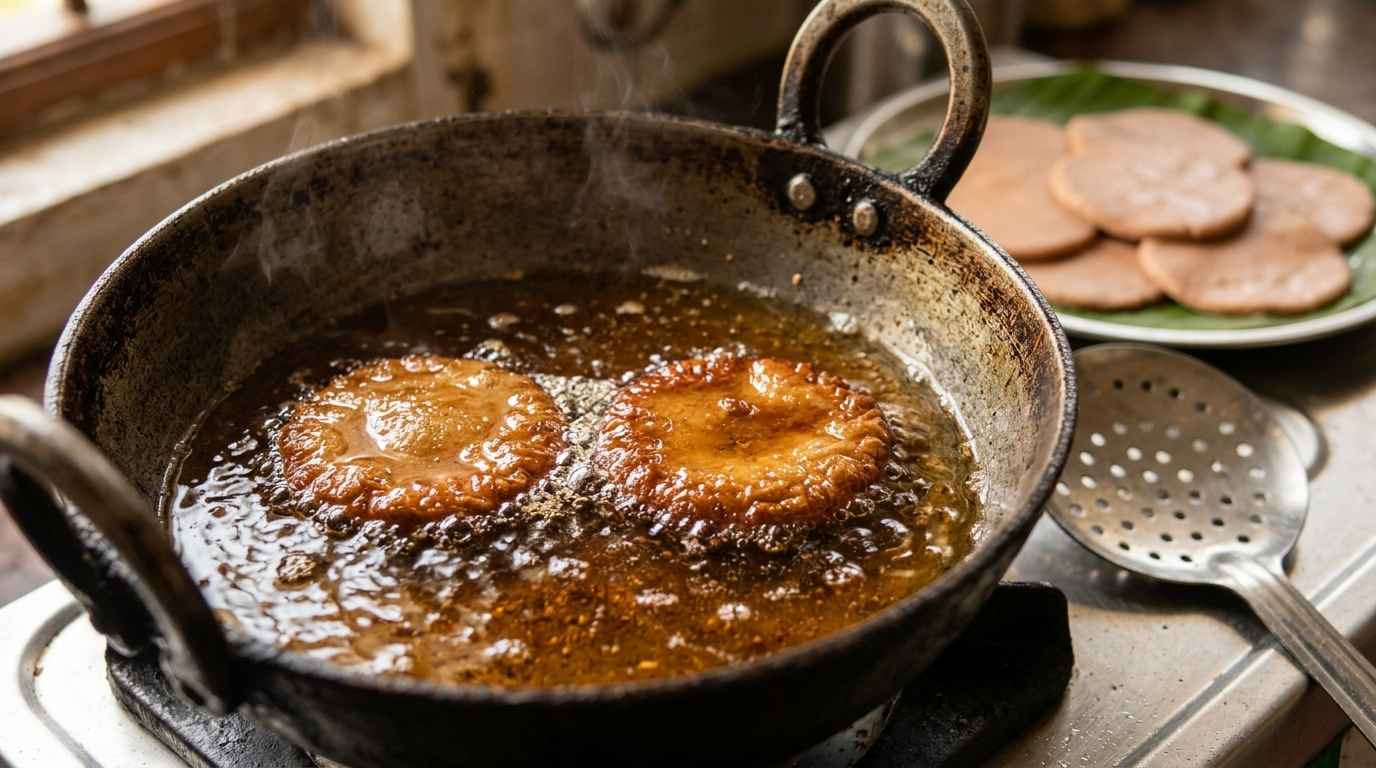
The most important part of this traditional Adhirasam recipe is achieving the correct jaggery syrup consistency. Syrup that is too soft may produce a loose dough, while syrup that is cooked too far can result in a hard sweet.
Use finely ground rice flour, add the syrup gradually, and maintain a steady frying temperature. If the dough feels too sticky, allow it to rest before making adjustments. Avoid adding too much extra flour, as this can affect the final texture.
Because jaggery varies in moisture and sweetness, the first piece can be treated as a test batch. Adjust the heat and shaping technique before frying the remaining dough.
Serving and Storing Adhirasam
Serve Adhirasam as part of a Diwali sweet platter alongside ladoos, murukku, and other festive treats. It pairs beautifully with a cup of tea or traditional South Indian filter coffee.
Once completely cooled, store the sweets in a clean, airtight container. Their keeping quality depends on moisture, preparation, and storage conditions, so avoid sealing them while warm and discard any that develop signs of spoilage.
Preserving the Sweetness of Tradition
Adhirasam is a reminder that some of the most memorable festive foods come from simple ingredients and time-honoured techniques. The combination of rice flour, jaggery, and cardamom creates a distinctive sweet that continues to bring families together during Diwali.
By learning this traditional Adhirasam recipe, you can bring a little South Indian culinary heritage into your own kitchen. Prepare a batch, share it with family and friends, and celebrate the festival with a sweet that connects generations through flavour and tradition.
Most Popular










Anaya
comment1