



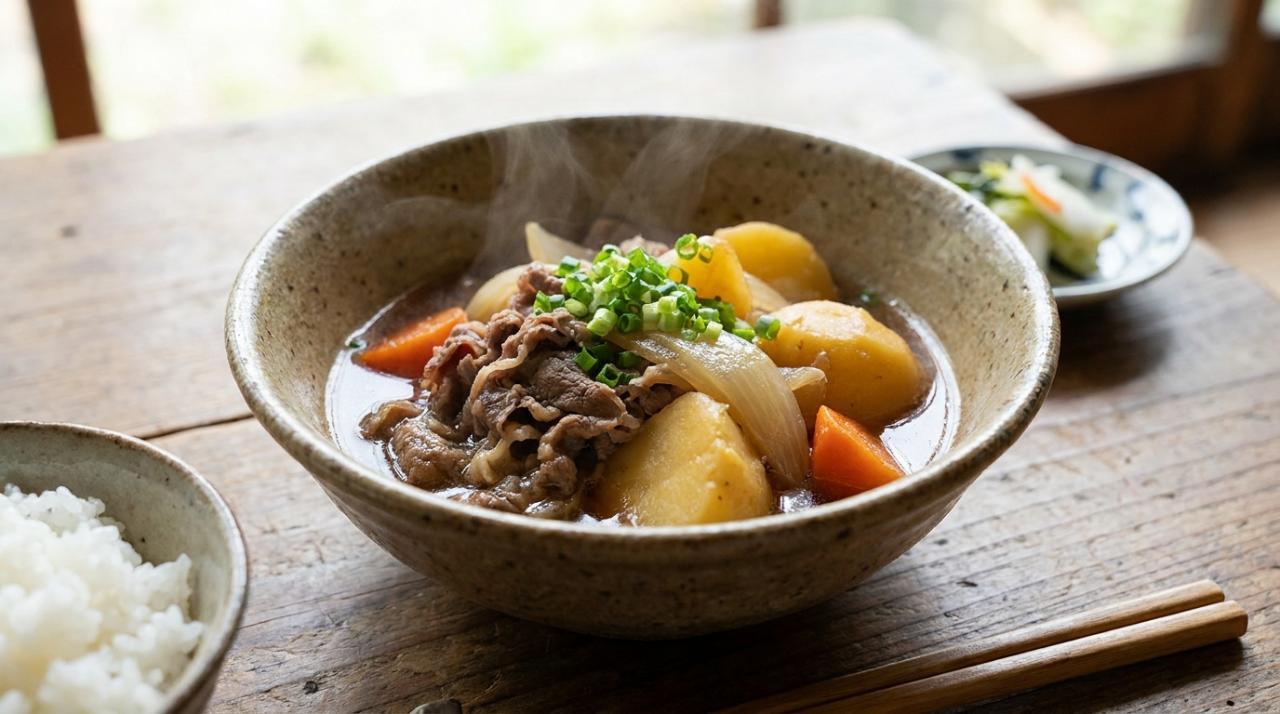
Japanese cuisine is widely celebrated for its balance of flavor, seasonal ingredients, and thoughtful preparation. While sushi and ramen are famous around the world, many Japanese households treasure simpler dishes that bring warmth and comfort to everyday meals. One such dish is nikujaga, a traditional Japanese beef and potato stew simmered in a savory-sweet broth.
A Japanese nikujaga recipe combines thinly sliced beef, potatoes, onions, and carrots with Japanese seasonings such as soy sauce, mirin, sake, and sugar. As the ingredients simmer together, the vegetables become tender and absorb the delicious broth, creating a comforting dish that pairs perfectly with steamed rice.
Unlike thick Western-style stews, nikujaga usually has a relatively light, seasoned cooking liquid rather than a heavy gravy. Its appeal lies in the natural sweetness of the vegetables and the rich, savory flavor of the broth. With a few everyday ingredients, you can recreate this beloved Japanese home-cooked meal in your own kitchen.
What Is Traditional Japanese Nikujaga?
The name nikujaga combines niku, meaning meat, and jaga, a shortened form associated with potatoes. The dish is widely regarded as a classic example of Japanese washoku, or traditional Japanese food culture.
Nikujaga became established in Japanese home cooking during the late nineteenth and early twentieth centuries. Although stories connect its development to Japanese naval cooking, the details of its origins are debated. Today, it is commonly prepared as a family meal, especially during cooler weather.
There are variations across households and regions. Some cooks prefer beef, while others use pork. The amount of broth, sweetness, and seasoning can also vary. However, potatoes, onions, meat, and a soy-based cooking liquid remain central to many traditional versions.
Ingredients for Traditional Japanese Nikujaga
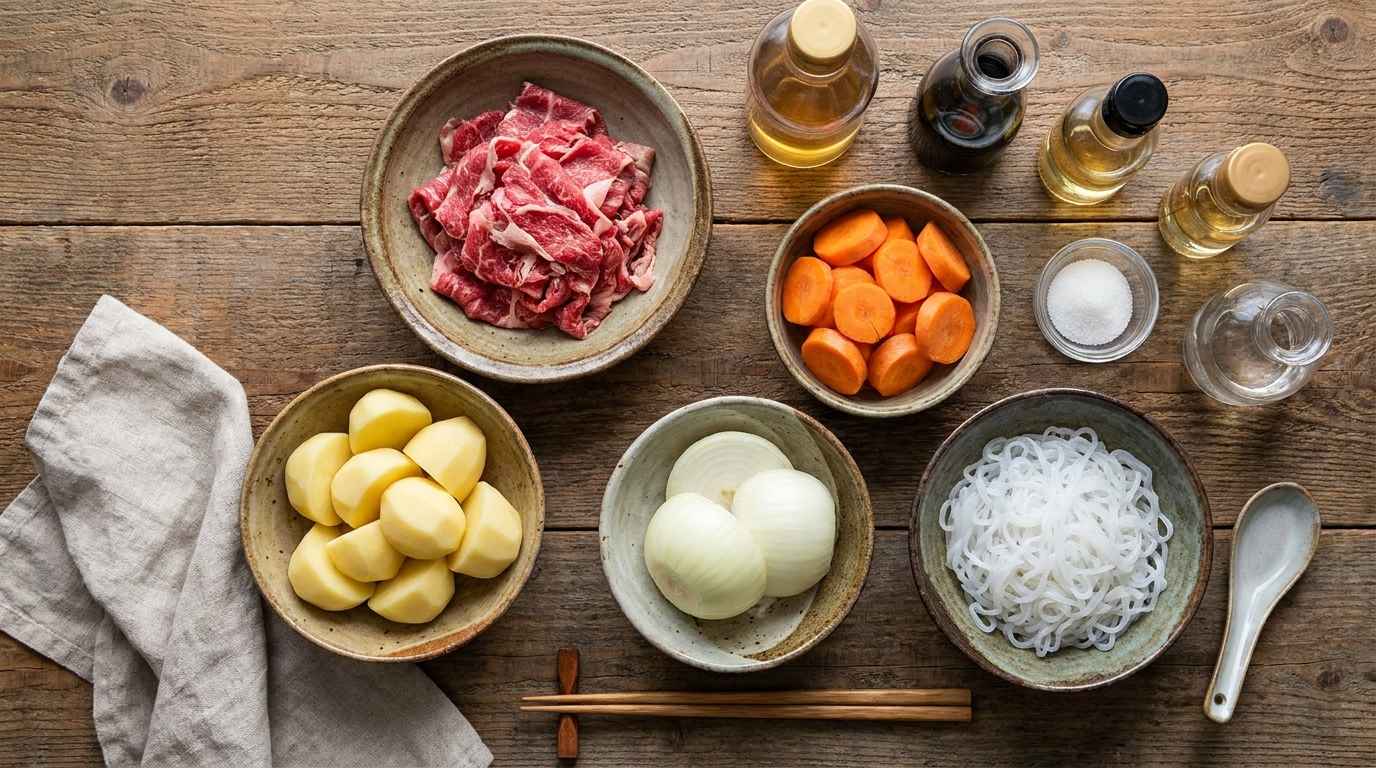
For two to three servings:
- 250 g thinly sliced beef
- 3 medium potatoes, peeled and cut into chunks
- 1 medium onion, sliced
- 1 carrot, cut into bite-sized pieces
- 400 ml dashi stock
- 3 tablespoons Japanese soy sauce
- 2 tablespoons mirin
- 2 tablespoons sake
- 1 tablespoon sugar
- 1 tablespoon neutral cooking oil
Optional ingredients:
- 100 g shirataki noodles
- Finely sliced spring onions for garnish
Dashi gives the stew its characteristic Japanese flavor. You can prepare it from kombu and bonito flakes or use a suitable instant dashi product. For a vegetarian version, use kombu or shiitake dashi and replace the beef with mushrooms or another suitable plant-based ingredient.
Step-by-Step Guide to Making Japanese Nikujaga
Step 1: Prepare the Ingredients
Peel the potatoes and carrots, then cut them into similarly sized pieces so they cook evenly. Slice the onion into wedges and separate the layers.
If the beef is not already thinly sliced, cut it into manageable pieces. Thin slices are ideal because they cook quickly and distribute their flavor throughout the broth.
If using shirataki noodles, prepare them according to the package instructions and cut them into shorter lengths if necessary.
Step 2: Sauté the Beef and Vegetables
Heat the cooking oil in a saucepan over medium heat. Add the onion and cook gently until it begins to soften.
Add the beef and stir until the surface changes color. Next, add the potatoes and carrots, stirring gently to coat the ingredients with the cooking juices.
This initial sauté helps develop flavor before the broth is added. Avoid cooking the beef for too long at this stage, particularly if it is very thinly sliced.
Step 3: Add the Dashi and Seasonings
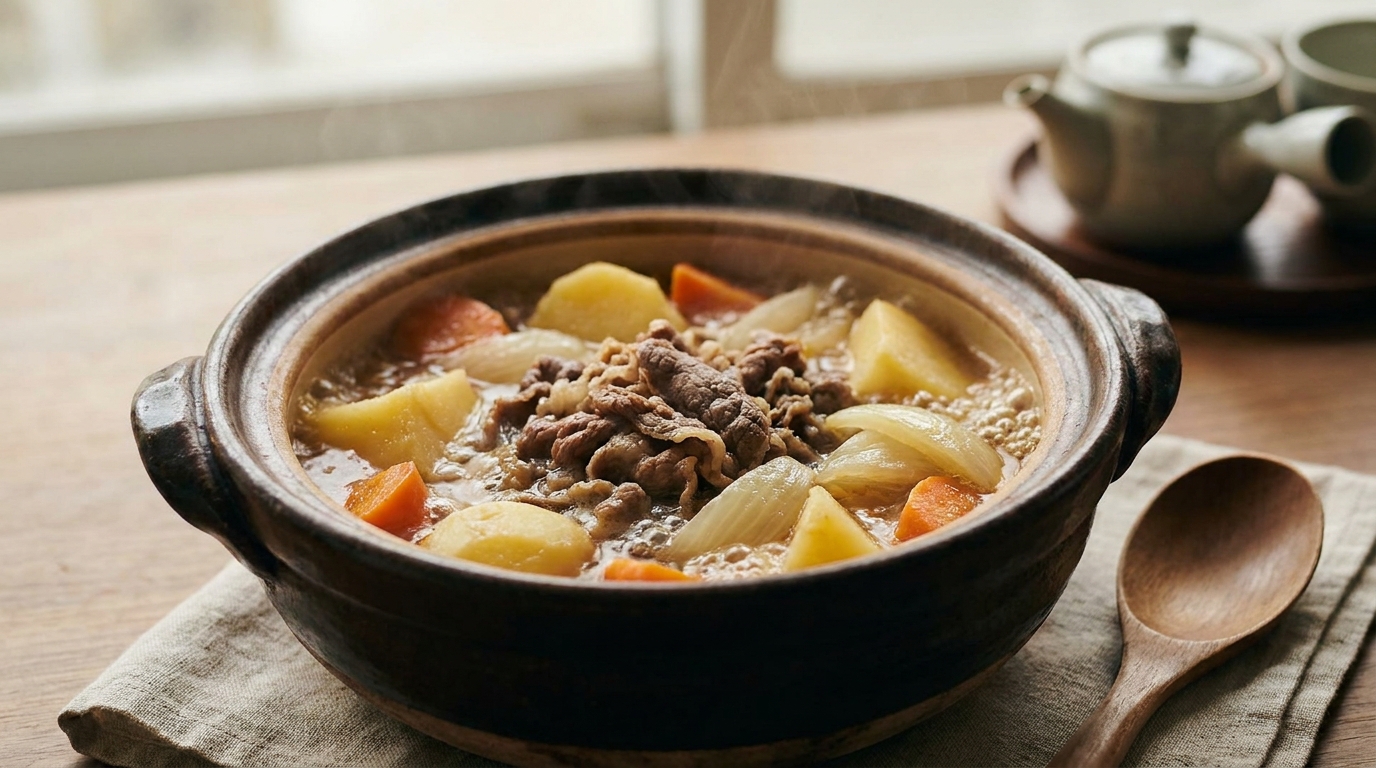
Pour the dashi stock into the saucepan. Add the soy sauce, mirin, sake, and sugar, then stir carefully to distribute the seasonings.
Bring the liquid to a gentle simmer. If using shirataki noodles, add them at this stage so they can absorb some of the broth's flavor.
Skim away any foam that collects on the surface if needed. This helps keep the cooking liquid clean and clear.
Step 4: Simmer Until Tender
Reduce the heat to low and simmer for approximately 20–30 minutes, or until the potatoes and carrots are tender.
Traditionally, a drop lid called an otoshibuta can be placed directly over the ingredients. This helps circulate the simmering liquid and allows the vegetables to cook evenly without requiring excessive amounts of broth. A smaller heatproof lid or a suitable parchment-paper drop lid can also work.
Check the potatoes periodically and stir gently when necessary. Avoid vigorous stirring because the potatoes may break apart as they soften.
Step 5: Adjust the Flavor and Serve
Taste the broth once the ingredients are tender. If necessary, adjust the seasoning with a small amount of soy sauce or sugar, depending on your preference.
Turn off the heat and allow the nikujaga to rest briefly before serving. This gives the ingredients additional time to absorb the seasoned broth.
Serve warm in individual bowls alongside steamed Japanese rice. A simple side dish of pickled vegetables or miso soup makes a satisfying Japanese-style meal.
Traditional Tips for Better Nikujaga
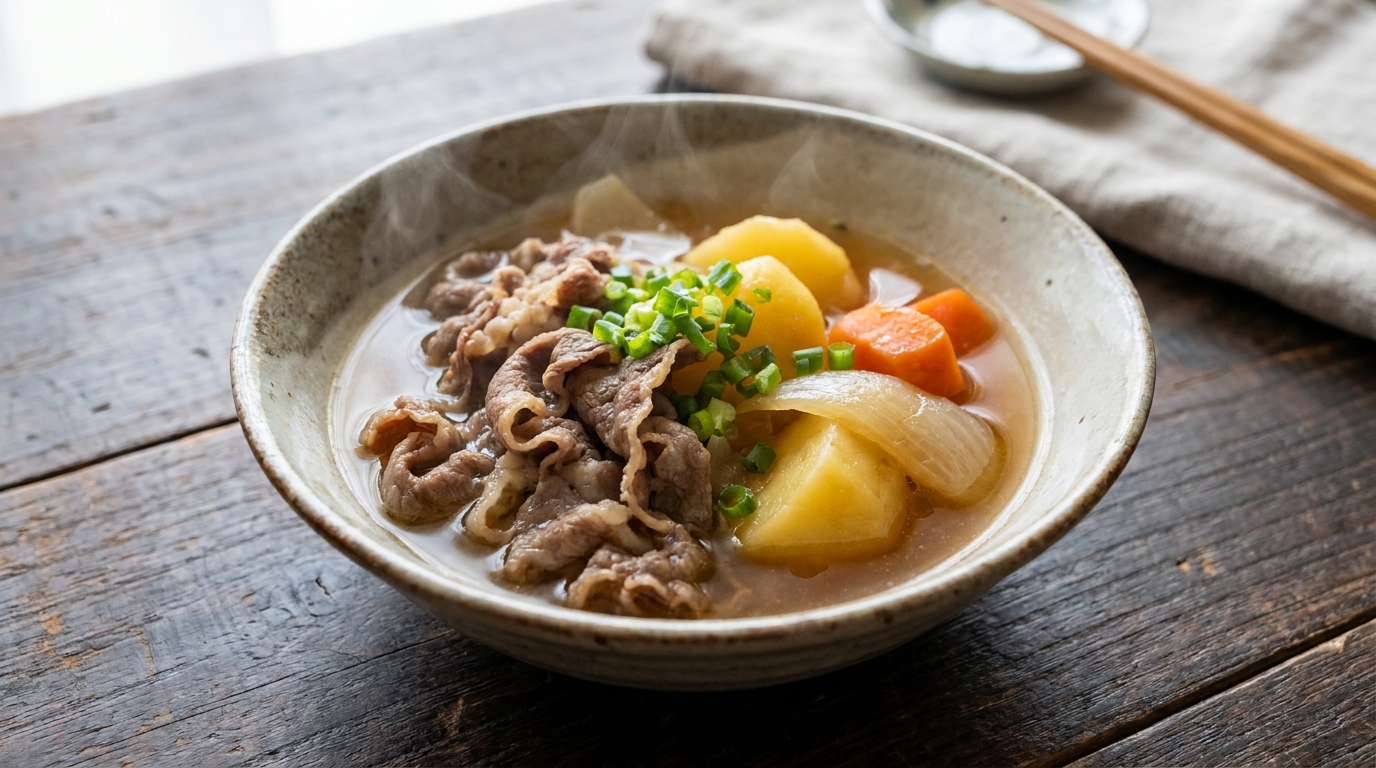
Choose potatoes that hold their shape reasonably well during simmering. Cut the vegetables evenly, and maintain a gentle simmer rather than boiling the stew aggressively.
Balance is essential when preparing the broth. Soy sauce contributes saltiness and umami, while mirin and sugar add sweetness. Dashi brings the ingredients together without making the dish overly heavy.
For deeper flavor, prepare the stew ahead of time and reheat it gently before serving. Refrigerate leftovers promptly in a covered container and reheat thoroughly. Because potatoes can become fragile after cooking, handle the stew carefully when warming it.
Conclusion
A Japanese nikujaga recipe offers a wonderful introduction to traditional Japanese home cooking. With tender beef, soft potatoes, sweet onions, and a savory-sweet dashi broth, this classic stew demonstrates how simple ingredients can create a deeply satisfying meal.
Whether prepared for a family dinner or a Japanese-inspired lunch, nikujaga is comforting, practical, and full of traditional flavor. Serve it with steamed rice and enjoy a beloved Japanese dish that celebrates the beauty of everyday cooking.
Most Popular











Anaya
comment1