



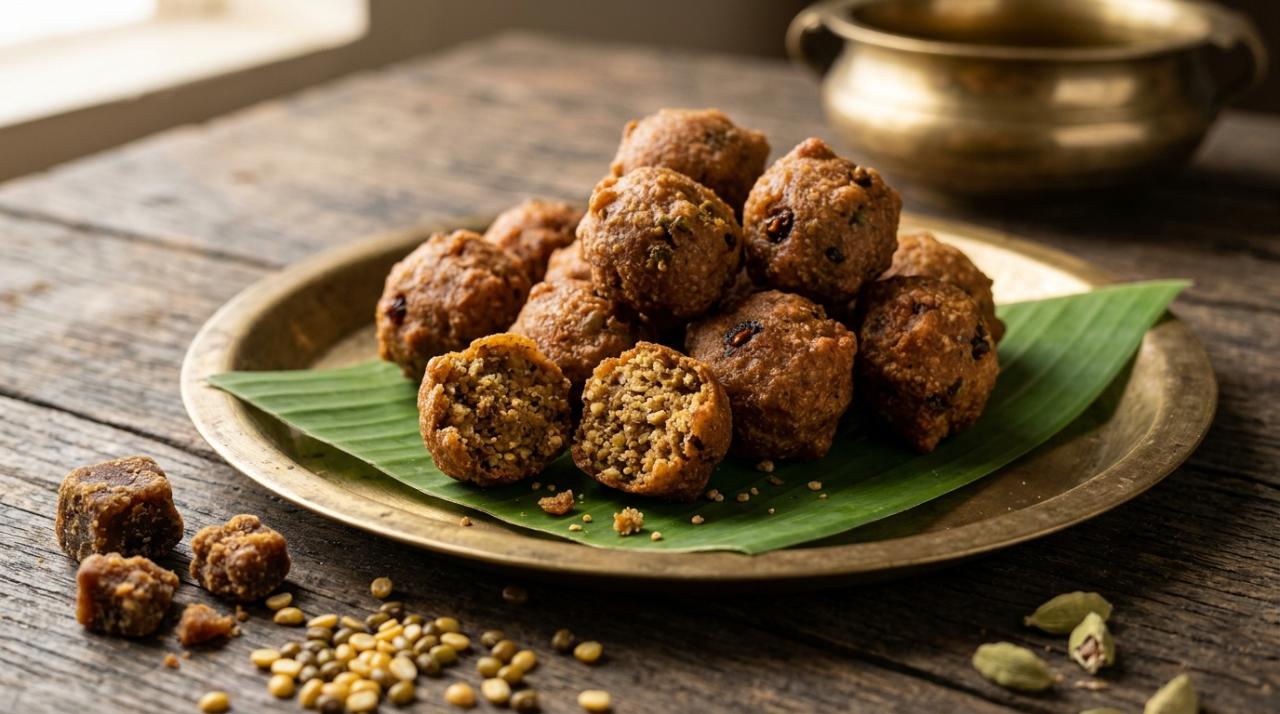
Indian festive cooking is filled with sweets that tell stories of regional traditions, family gatherings, and ingredients passed down through generations. While ladoos, jalebis, and milk-based desserts often receive the most attention, some traditional sweets remain less familiar outside their home regions. Munthiri Kothu is one such distinctive treat, traditionally associated with the Kanyakumari region of Tamil Nadu and parts of southern Kerala.
Despite its name, which translates roughly to a bunch of grapes, this sweet is not made from grapes. Instead, small portions of sweetened green gram are coated in a rice-flour batter and fried together into clusters. The result is a crisp exterior surrounding a sweet, earthy filling enriched with jaggery and aromatic spices.
If you are searching for something different to add to your Diwali sweet collection, this Munthiri Kothu recipe offers a delicious opportunity to explore a lesser-known part of South Indian culinary heritage.
What Makes Munthiri Kothu Special?
Munthiri Kothu stands out because of its unusual cluster-like appearance and contrasting textures. The green gram provides a nutty flavour, while jaggery adds deep caramel notes. A delicate outer coating brings everything together with a satisfying crunch.
The recipe reflects traditional cooking practices in which affordable pantry ingredients were transformed into festive delicacies. Green gram, rice flour, coconut, and jaggery are familiar ingredients in many South Indian kitchens, but their combination creates something quite distinctive.
Although Munthiri Kothu is especially associated with local festivals and celebrations in its traditional regions, it can also be introduced to a modern Diwali sweet platter as a regional speciality worth discovering.
Ingredients for Homemade Munthiri Kothu
This recipe makes approximately 12–15 small clusters, depending on their size.
For the sweet filling
- 1 cup whole green gram
- ¾ cup grated jaggery
- ¼ cup freshly grated coconut, optional
- ¼ teaspoon cardamom powder
- A pinch of salt
For the outer coating
- 1 cup rice flour
- 2 tablespoons all-purpose flour, optional for binding
- Water, as needed
- A small pinch of salt
- Oil for deep-frying
Note: Traditional family recipes may use slightly different proportions or techniques. The batter should be thick enough to coat the filling portions without running off completely.
How to Make Munthiri Kothu Step by Step
Step 1: Roast and Cook the Green Gram
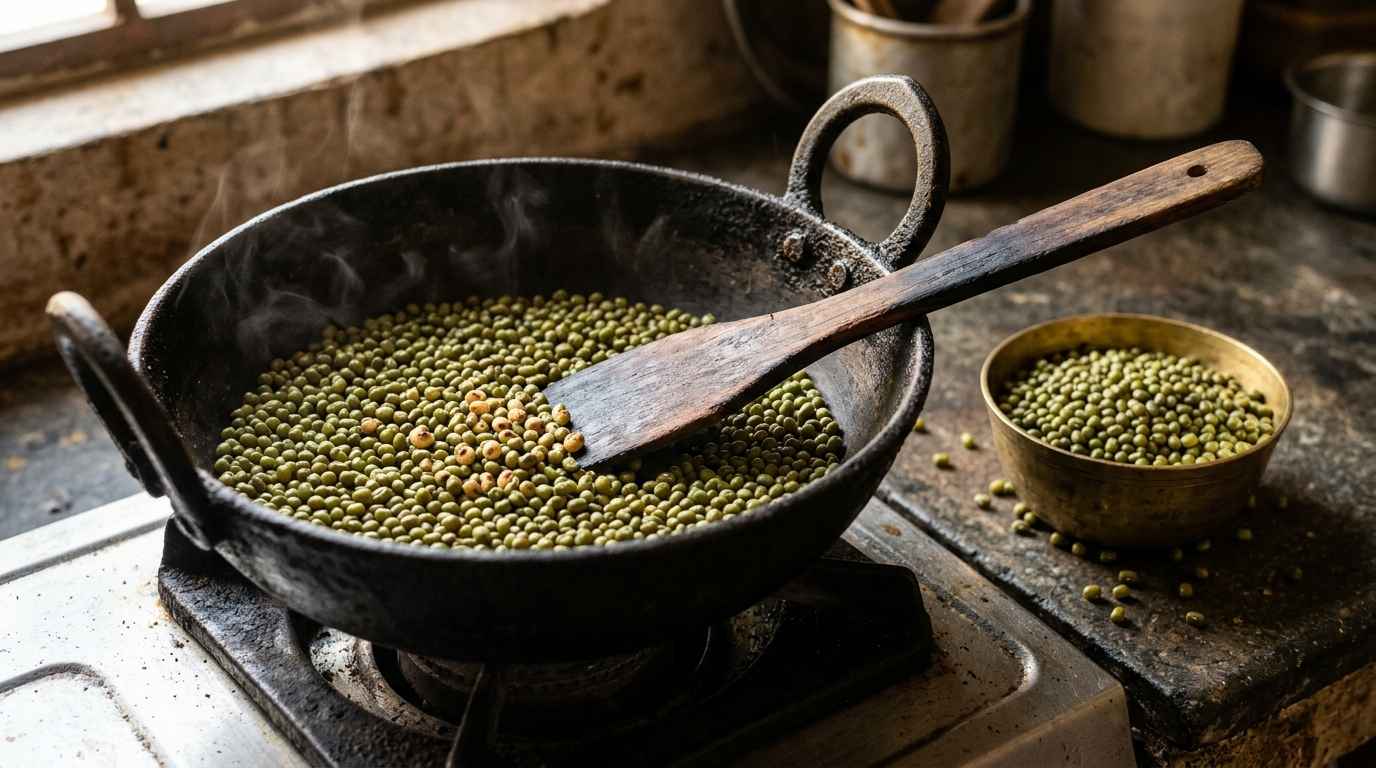
Place the green gram in a dry pan and roast it over low heat until lightly fragrant. Allow it to cool, then rinse and cook it in fresh water until tender but not mushy. Drain thoroughly.
Roasting before cooking is an optional variation; some traditional preparations use green gram prepared by other methods. The important point is to retain a firm texture so the filling can be shaped easily.
Step 2: Prepare the Jaggery Mixture
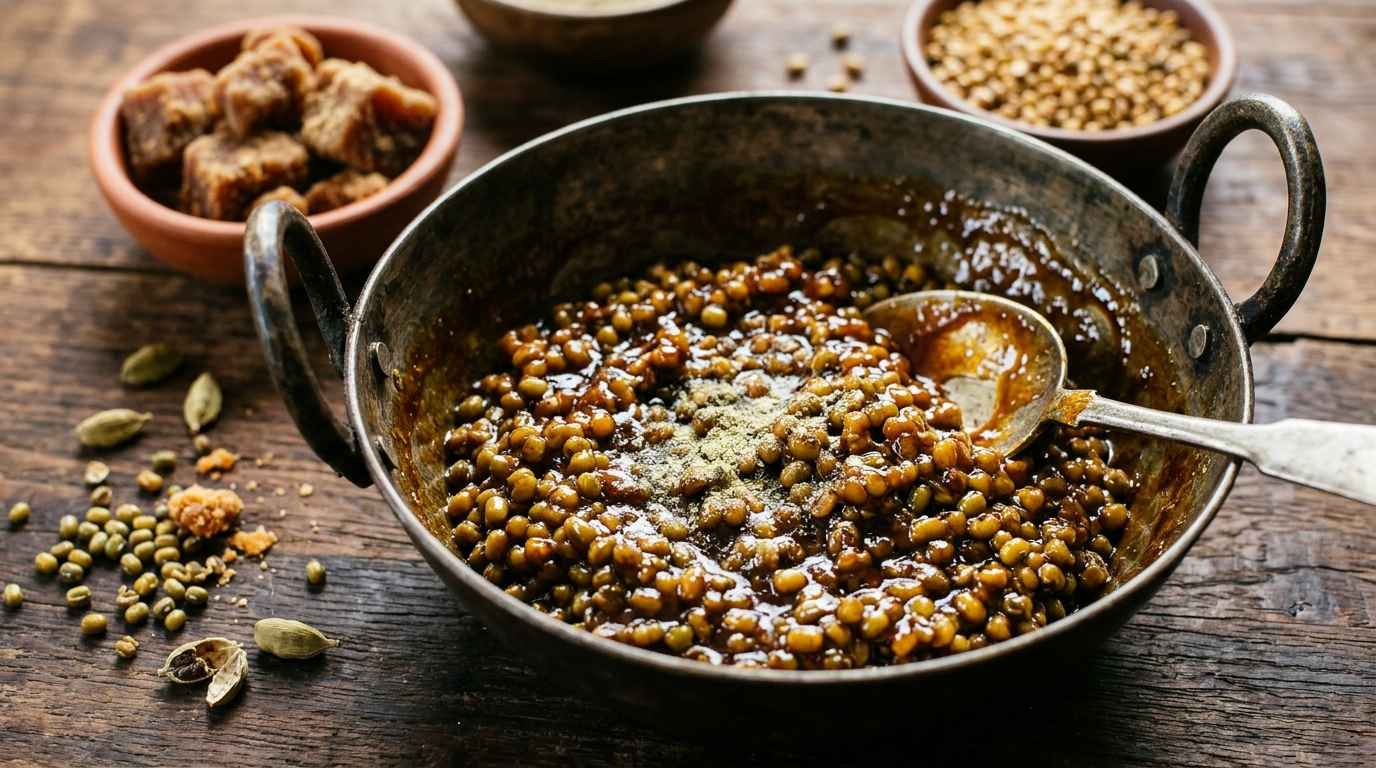
Heat the jaggery with a small amount of water until it dissolves. Strain the syrup to remove any impurities, then return it to the pan.
Add the cooked, well-drained green gram and stir gently until the mixture thickens. Mix in the cardamom powder, salt, and optional grated coconut. Continue cooking until the mixture is cohesive rather than watery.
Allow it to cool enough to handle safely.
Step 3: Shape the Sweet Filling
Take small portions of the mixture and shape them into compact balls or clusters. Press gently to help them hold together, but avoid making them too large.
Place the shaped portions on a plate and allow them to firm up before coating. If the mixture feels too soft, chill it briefly or cook it a little longer to reduce excess moisture.
Step 4: Prepare the Rice-Flour Batter
Combine the rice flour, optional all-purpose flour, and salt in a bowl. Add water gradually, stirring until you obtain a smooth, thick batter.
The batter should cling to the filling rather than slide off. Adjust with a little extra water or rice flour as needed.
Step 5: Coat and Fry the Clusters
Heat oil in a deep pan over medium heat. Dip the shaped filling portions into the batter, coating them evenly. Carefully lower them into the oil in small batches.
Fry until the coating becomes crisp and lightly golden. Avoid overcrowding the pan, and maintain a steady temperature to ensure even cooking. Remove the clusters with a slotted spoon and drain on a rack or absorbent paper.
Allow them to cool before tasting, as the sweet filling can remain very hot inside.
Tips for Perfect Munthiri Kothu
The key to this Munthiri Kothu recipe is controlling moisture. Excess water in the green gram mixture can make the clusters difficult to shape, while a very thin batter may fail to create a crisp coating.
Cook the jaggery mixture until it holds together, drain the green gram well, and allow the filling to cool before shaping. Keep the batter thick and smooth, and fry at a moderate temperature.
For the best flavour, use good-quality jaggery and fresh cardamom. If you prefer a less sweet result, reduce the jaggery slightly while maintaining enough to bind the filling.
Serving and Storing Munthiri Kothu
Serve Munthiri Kothu as part of a traditional sweet platter alongside adhirasam, coconut-filled karanji, or homemade ladoos. Its nutty centre and crisp coating offer a welcome contrast to softer milk-based desserts.
Once completely cooled, store the clusters in a clean, airtight container. Because this recipe contains cooked legumes and potentially fresh coconut, its storage life depends on moisture and handling. Refrigerate leftovers promptly and reheat carefully if desired.
Rediscover a Regional Sweet Tradition
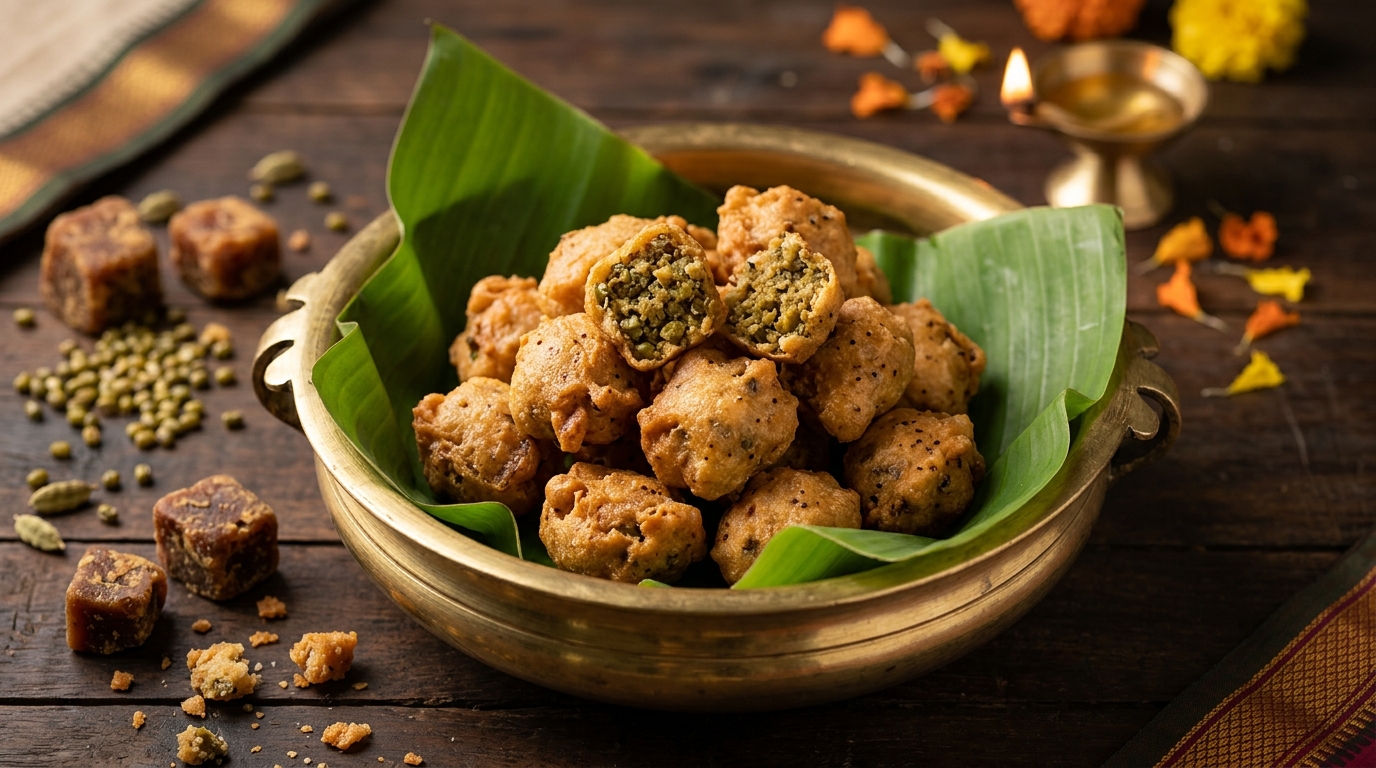
Munthiri Kothu demonstrates how traditional Indian cooking transforms humble ingredients into memorable festive treats. Its green gram filling, rich jaggery sweetness, and crisp rice-flour coating make it a distinctive dessert for anyone interested in regional Indian food.
This Diwali, consider exploring beyond familiar sweets and discovering recipes that carry the flavours of local kitchens and family traditions. With careful preparation and a little patience, homemade Munthiri Kothu can bring a unique taste of South Indian heritage to your festive table.
Most Popular











Anaya
comment1